Knowledge Base
Property advice that actually helps
Researched, UK-specific guides for every stage of homeownership — from buying and surveys to retrofit, planning and major works.
 Planning & Pre-Build
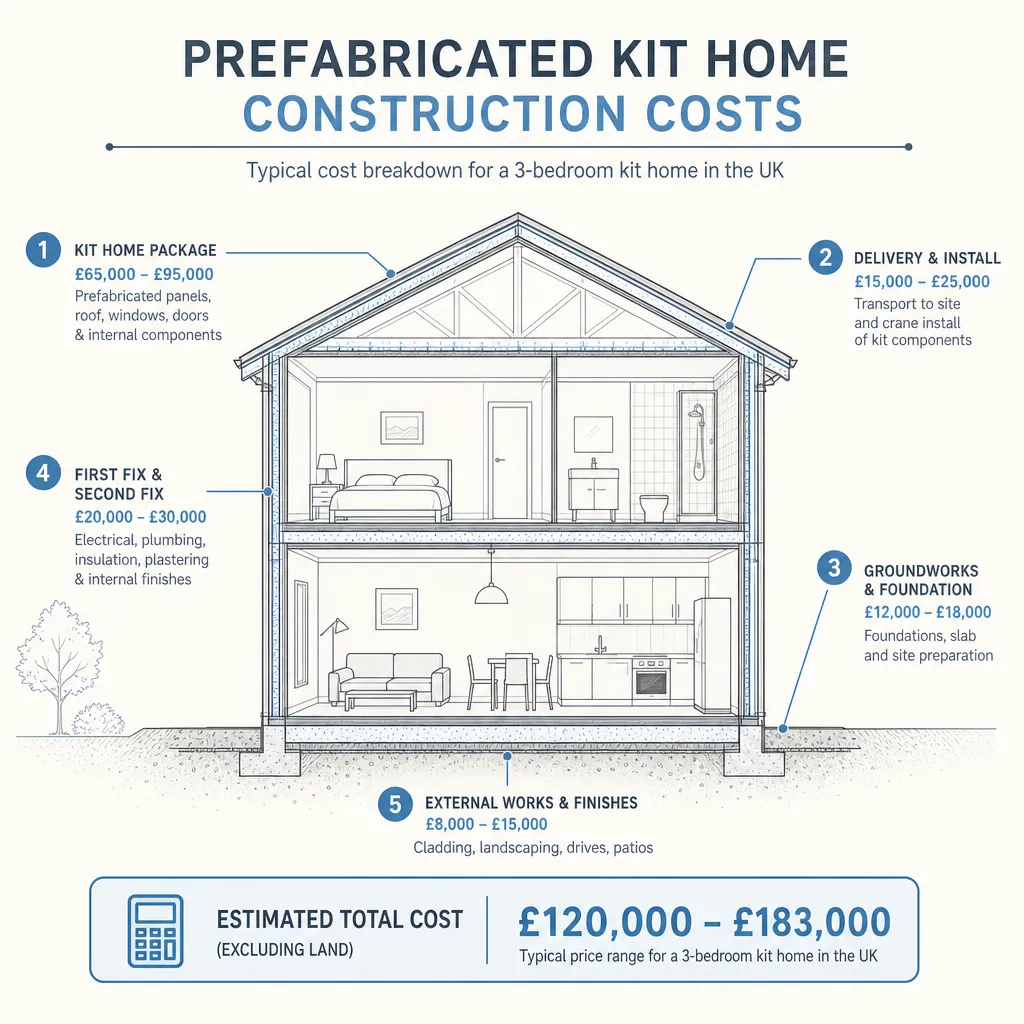
Prefabricated Kit Home Construction Costs
UK kit home construction costs range from around £1,000 to £2,500 per m² for a completed home, depending on the system — timber frame, SIPs, or volumetric modular — and the specification. The kit package covers the structural shell only; groundworks, services, and internal fit-out typically add 40–70% on top of the kit price.
 Improvement & Build
When and Why You Should Replace Your Garage Door
Most garage doors last between 15 and 30 years. Replacement is usually the right choice when a door has significant rust, warped panels, a failed spring mechanism, or outdated safety features. Modern replacements offer better insulation, security, and convenience; repair may suffice for minor cosmetic damage or a single faulty component.
 Buying & Moving
Understanding Leasehold Property Terminology and Rights
Leasehold means owning occupation rights for a fixed term, not the land or structure. Key terms include ground rent, service charge, enfranchisement, and lease extension. Qualifying leaseholders in England and Wales can extend their lease by 90 years under the Leasehold Reform, Housing and Urban Development Act 1993. Always instruct a solicitor with leasehold expertise for advice on your specific lease terms.
 General property advice
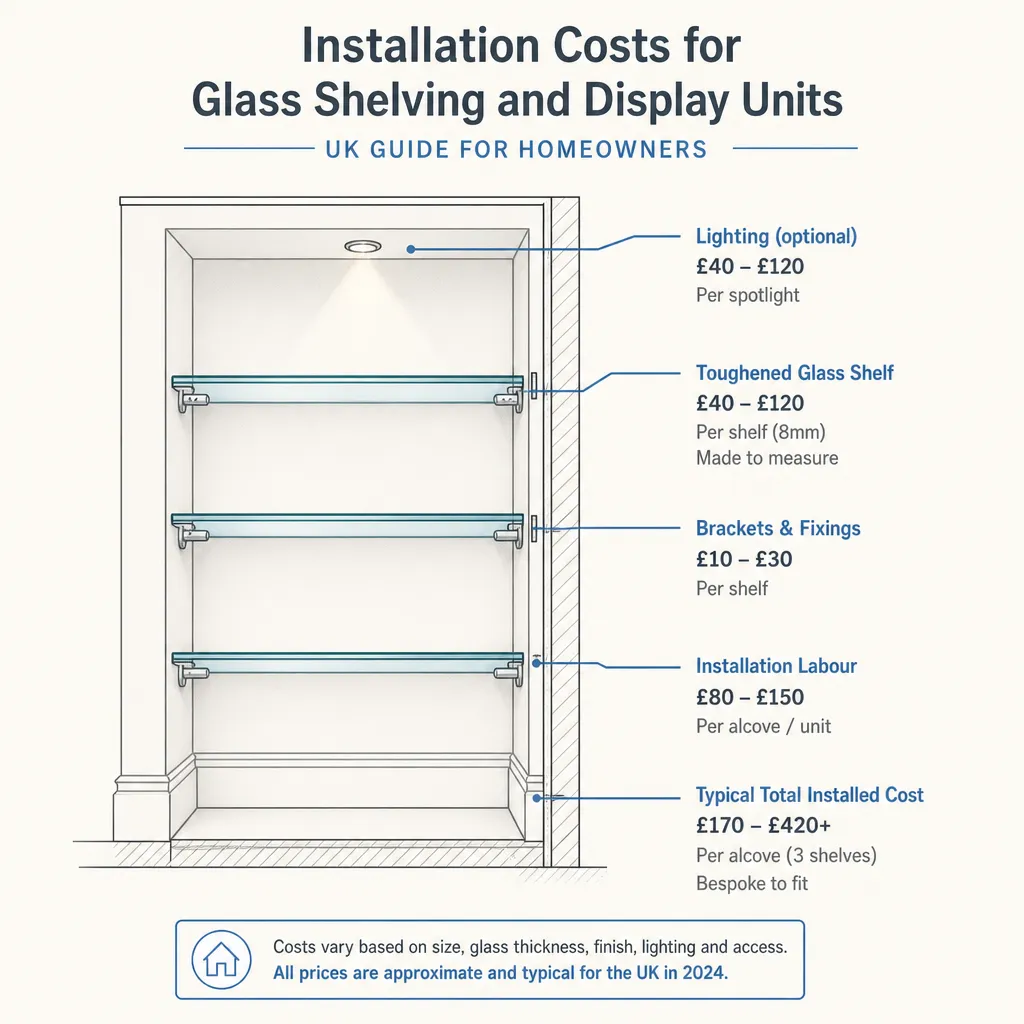
Installation Costs for Glass Shelving and Display Units
A single glass shelf professionally fitted in the UK typically costs £80–£200 including materials and labour. Bespoke alcove display units range from £300 to £1,200 or more depending on glass type, size, and lighting. Toughened safety glass conforming to BS EN 12150 is the appropriate standard for domestic shelving.
 Planning & Pre-Build
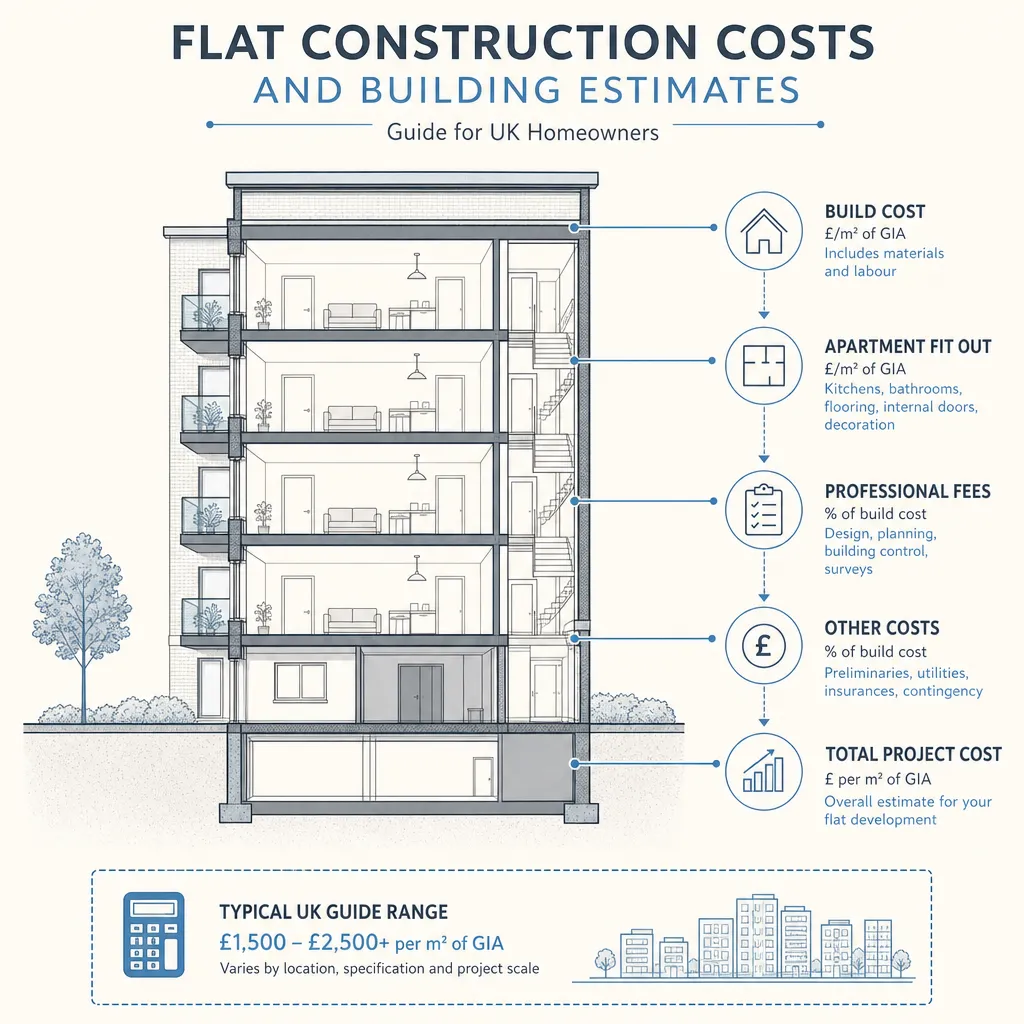
Flat Construction Costs and Building Estimates
Building a block of flats in the UK typically costs £1,500–£2,500 per square metre of gross internal area for a standard mid-specification scheme, with professional fees adding a further 12–18%. Total development costs vary significantly by location, specification, and ground conditions. A cost estimate from a quantity surveyor is essential before committing to any multi-unit scheme.
 Surveys & Inspections
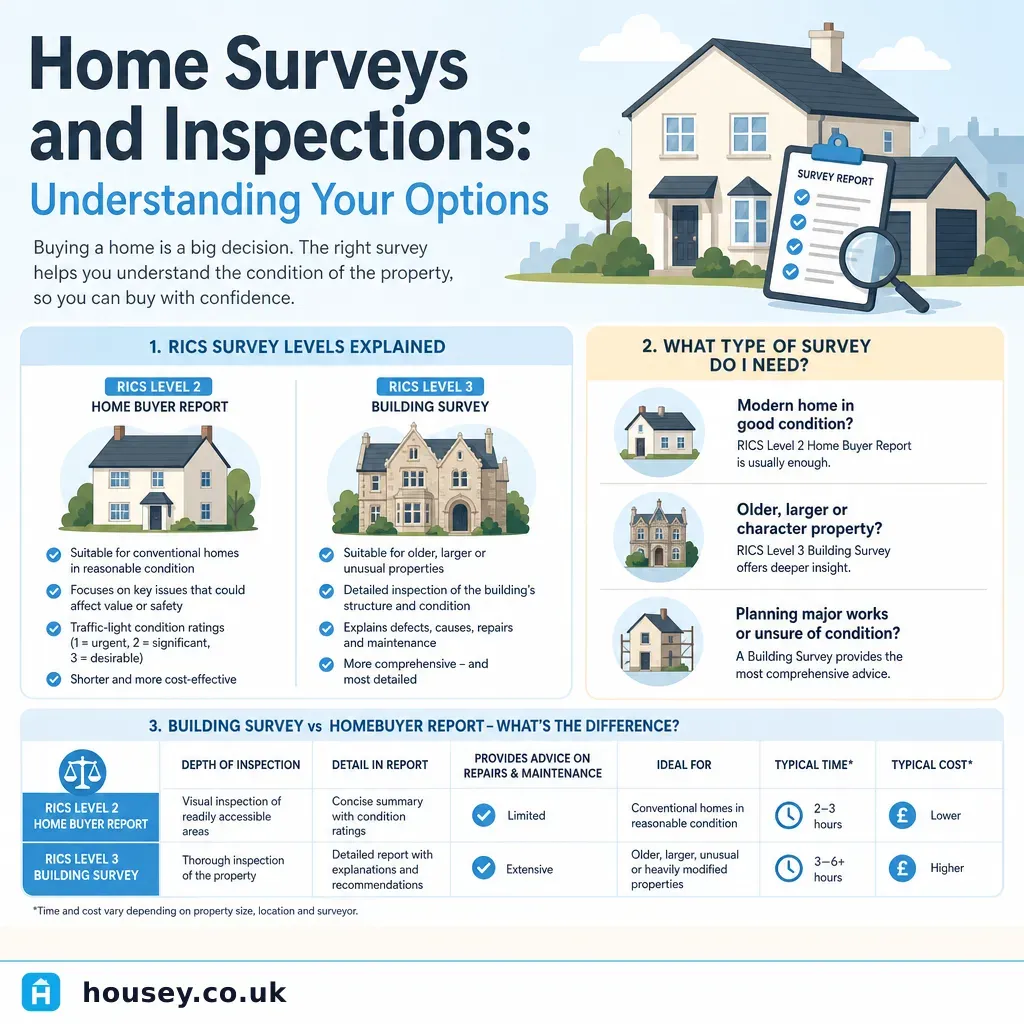
Home Surveys and Inspections: Understanding Your Options
The three RICS home survey levels — Condition Report (Level 1), Home Survey (Level 2), and Building Survey (Level 3) — differ in depth, cost, and the properties they suit. Most buyers of conventional post-1930 homes choose a Level 2, while older, unusual, or visibly defective properties typically need a Level 3.
 Planning & Pre-Build
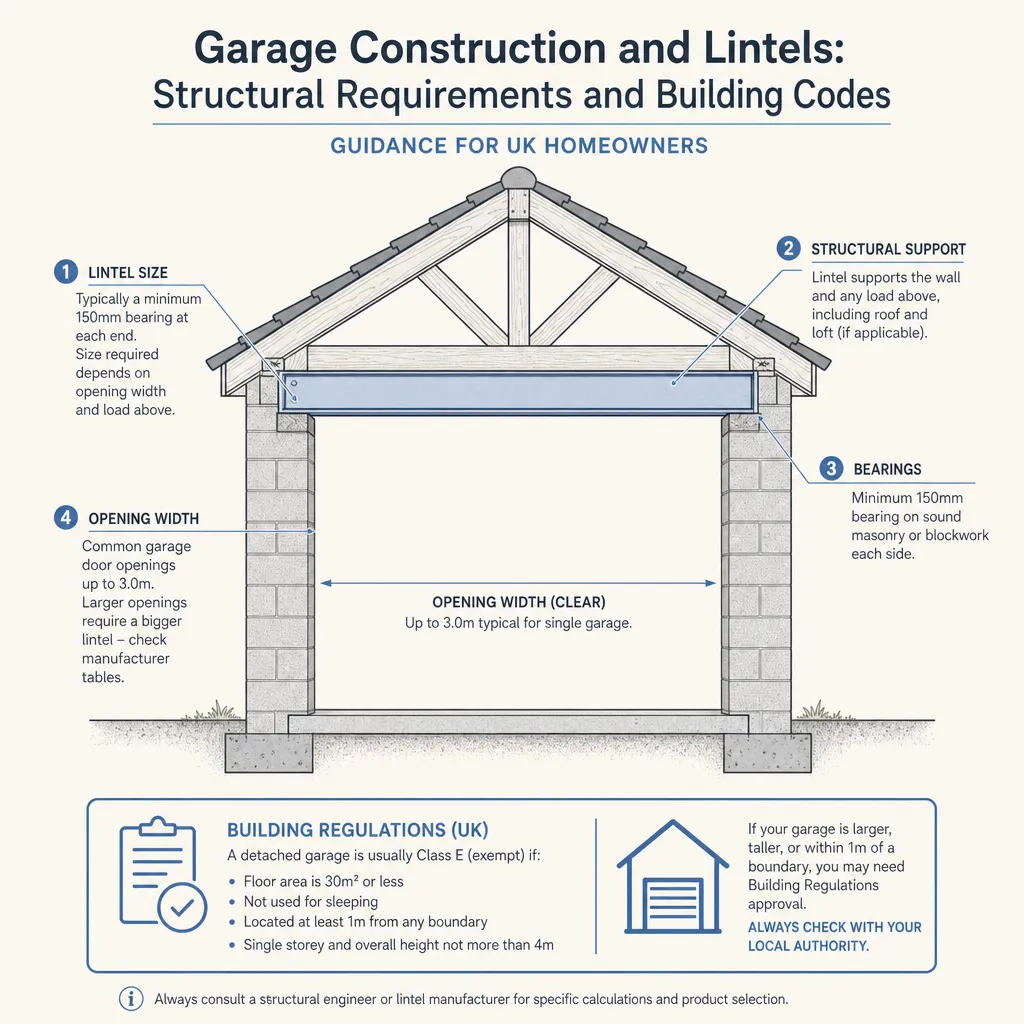
Garage Construction and Lintels: Structural Requirements and Building Codes
Garage lintels must be sized to carry the loads above each opening — masonry, roof structure, and any floor above. Steel lintels are the most common choice for modern UK garages, but correct specification depends on span, load, and wall construction. A structural engineer or building control officer should confirm the specification before construction starts, particularly for door spans over 2.4 m.
 Planning & Pre-Build
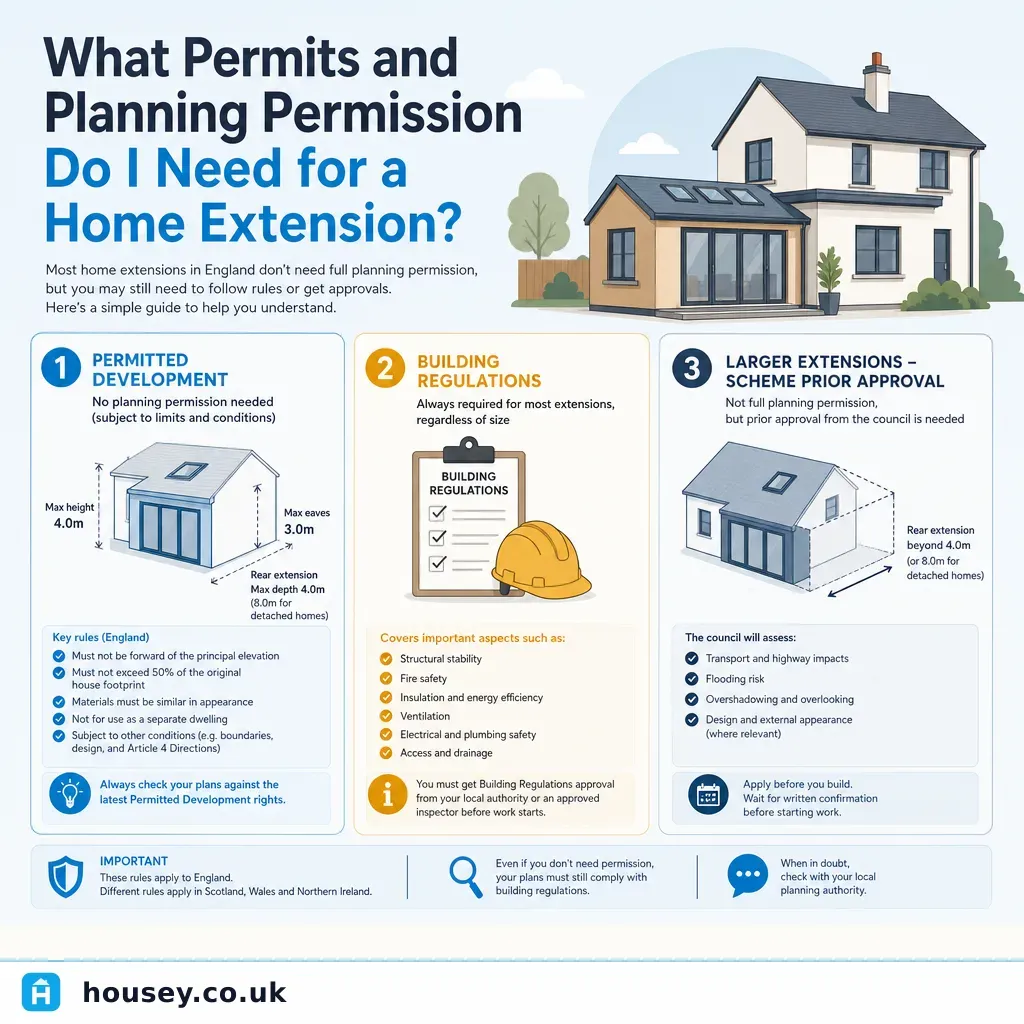
What Permits and Planning Permission Do I Need for a Home Extension?
Most single-storey rear extensions fall under permitted development and do not need a formal planning application, provided they stay within size limits set out in the Town and Country Planning (General Permitted Development) (England) Order 2015. However, all extensions require Building Regulations approval regardless. Listed buildings, conservation area properties, and flats face additional restrictions beyond standard permitted development rules.
 Improvement & Build
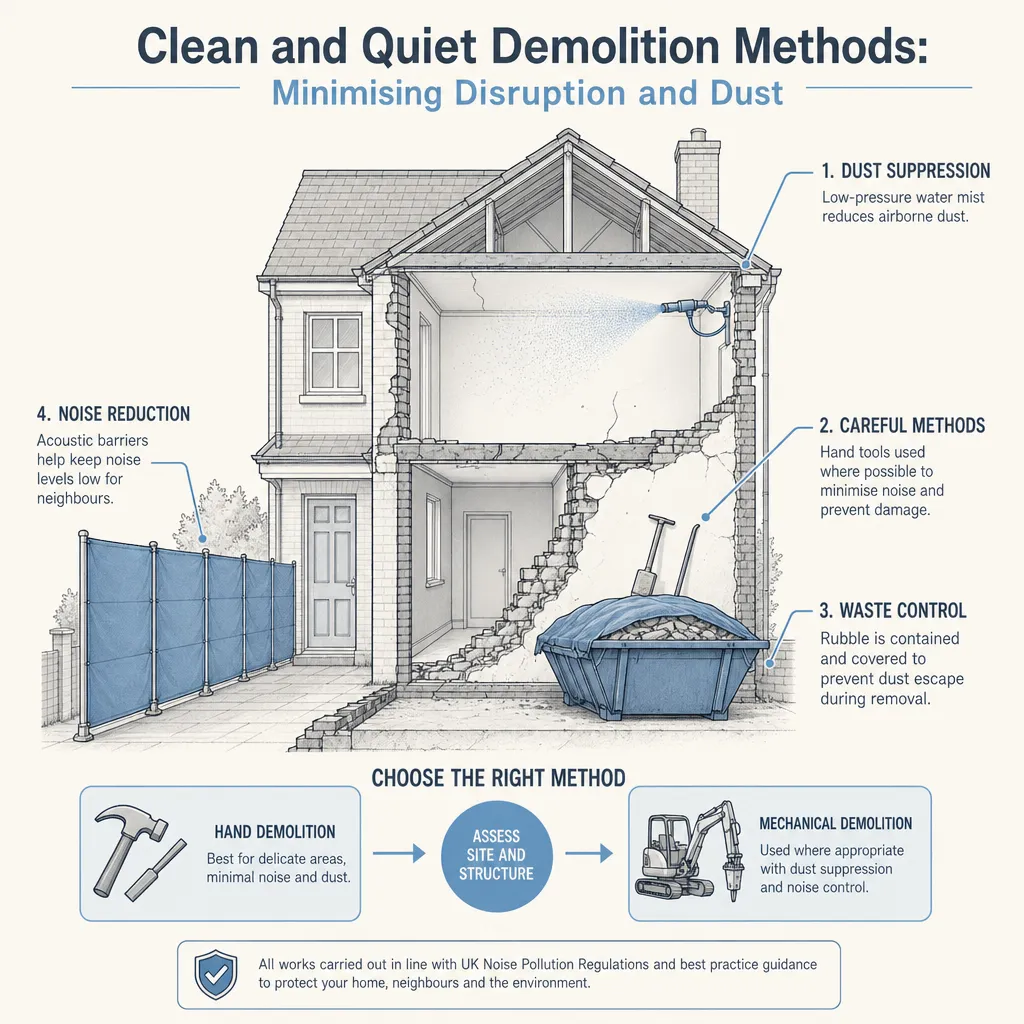
Clean and Quiet Demolition Methods: Minimising Disruption and Dust
Hand demolition and wet suppression are the primary tools for minimising disruption on UK residential sites. The Control of Pollution Act 1974 gives local authorities powers to restrict demolition noise and working hours. In any building constructed before 2000, a pre-demolition asbestos survey is a legal requirement before work begins.
 Surveys & Inspections
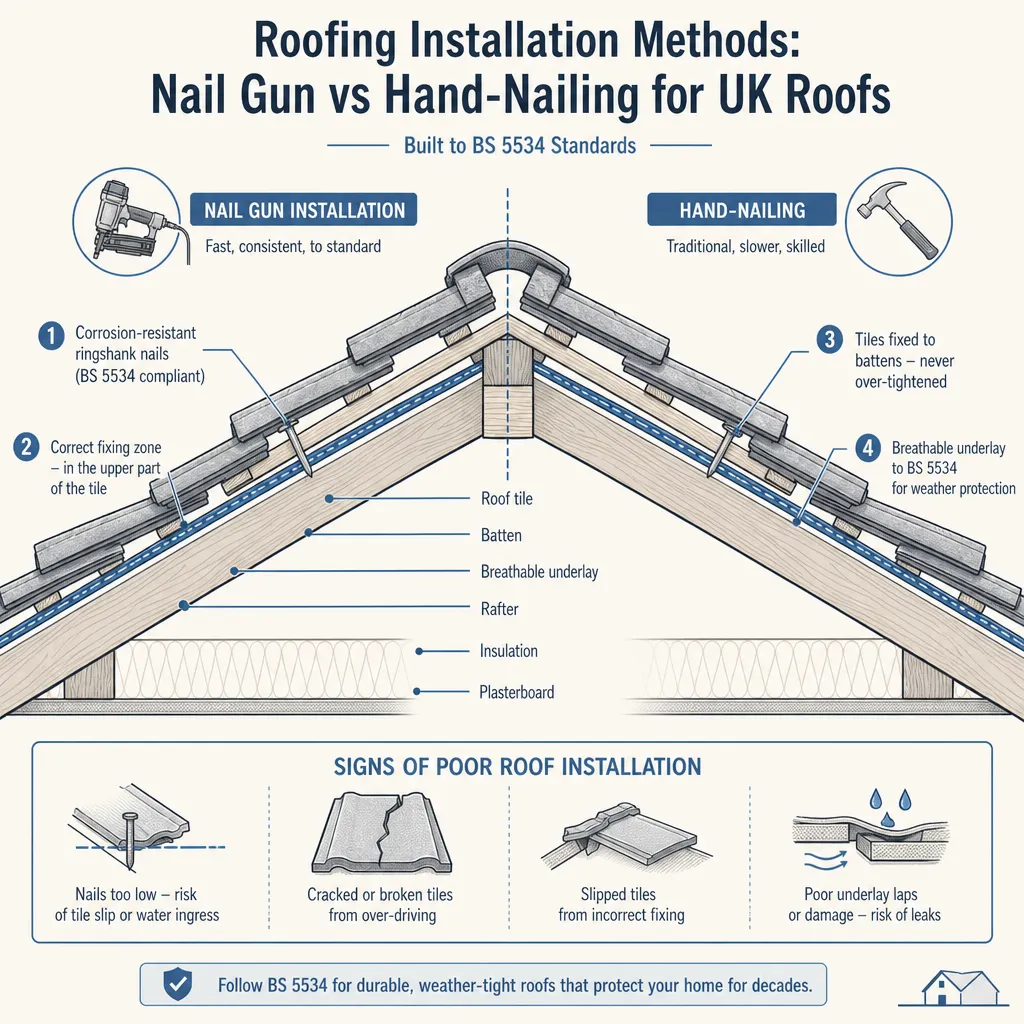
Roofing Installation Methods: Nail Gun vs Hand-Nailing for UK Roofs
Both nail guns and hand-nailing are acceptable for fixing UK roof tiles and slates when done correctly to BS 5534:2014+A2:2018. The critical factors are nail depth, angle, and penetration — not the tool used. Nail guns speed up large jobs but carry a higher risk of overdriving or underdriving fixings. A post-installation inspection can verify quality regardless of method.
 Buying & Moving
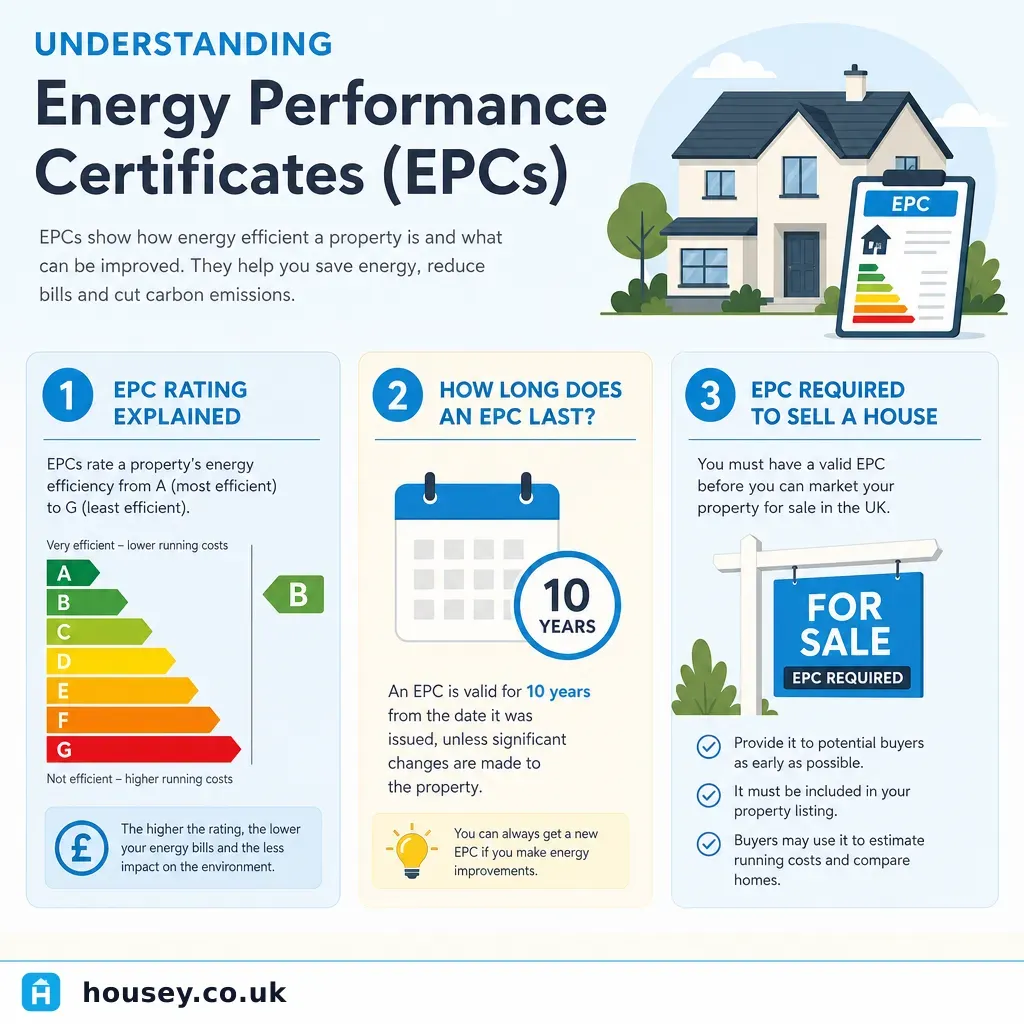
Understanding Energy Performance Certificates (EPCs)
An Energy Performance Certificate (EPC) rates a property's energy efficiency from A (most efficient) to G (least). In England and Wales it is legally required when selling, letting, or building a home. Certificates are valid for 10 years and must be commissioned before marketing begins. Rental properties must currently achieve a minimum E rating under the MEES Regulations 2018.
 Energy & Retrofit
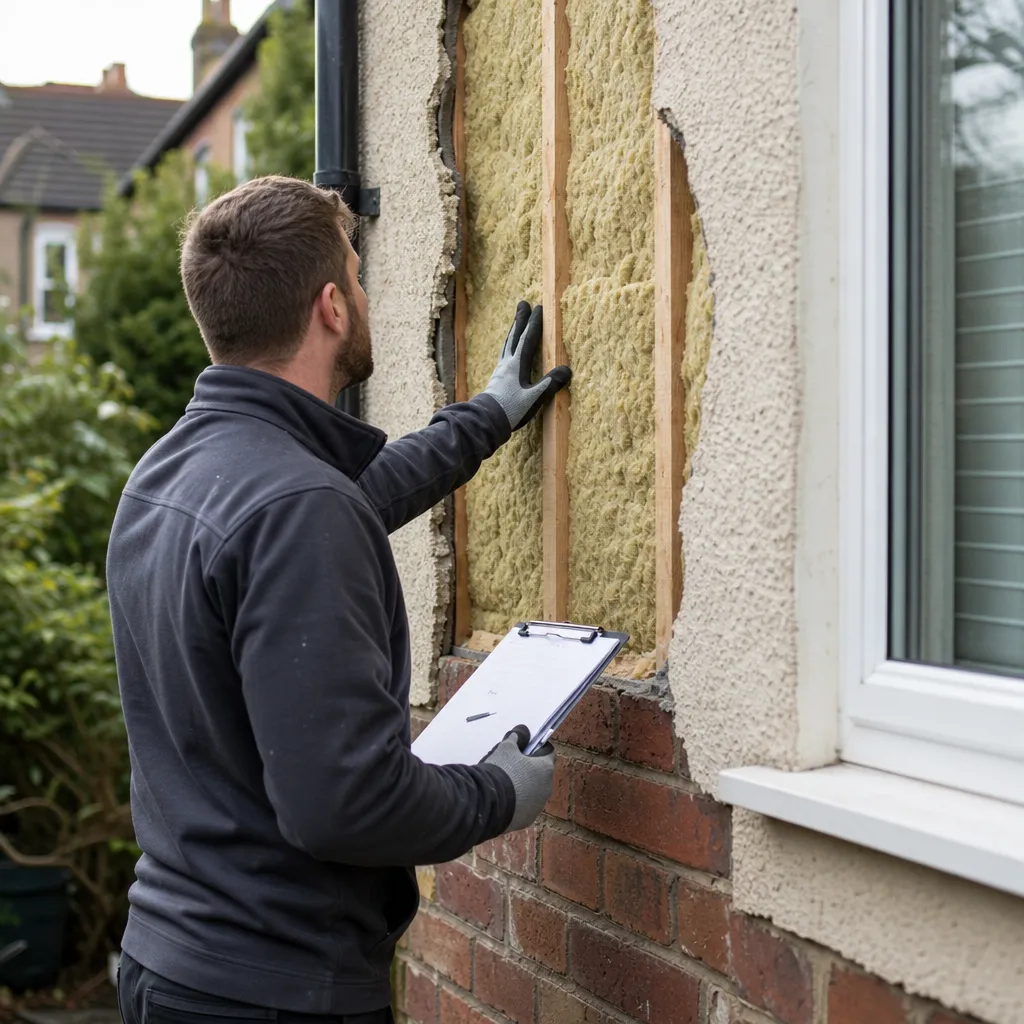
Professional Certifications and Accreditations in Insulation Services
In the UK, reputable insulation installers should hold TrustMark registration and be certified to PAS 2030:2019, the standard required for government-funded schemes such as ECO4. Many also carry scheme-specific guarantees such as CIGA for cavity wall insulation. Always verify credentials before work begins — accreditation protects your guarantee and your home.