Knowledge Base
Property advice that actually helps
Researched, UK-specific guides for every stage of homeownership — from buying and surveys to retrofit, planning and major works.
 Improvement & Build
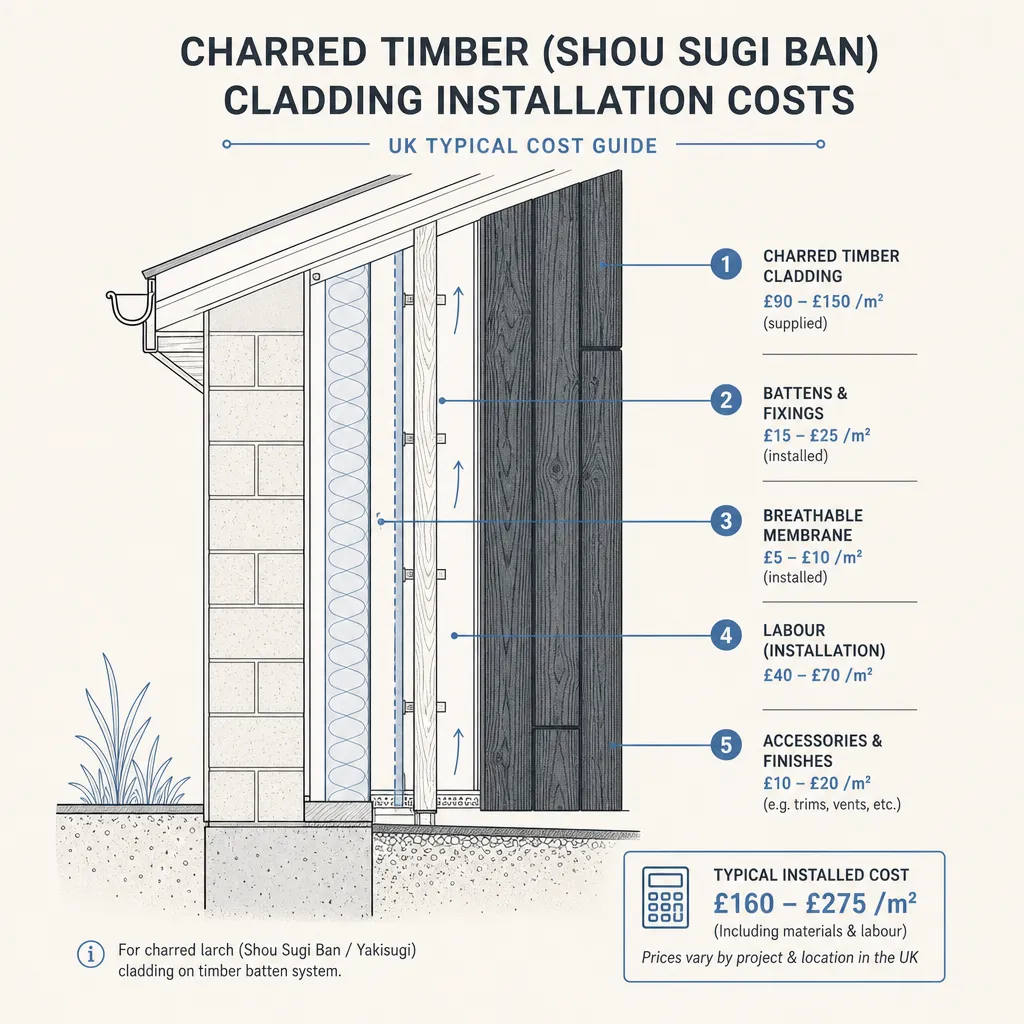
Charred Timber (Shou Sugi Ban) Cladding Installation Costs
Charred timber cladding (shou sugi ban or yakisugi) typically costs £70–£200 per m² supply and fit in the UK, depending on timber species, charring depth, profile, and installation complexity. Pre-charred larch boards are the most common and cost-effective choice for UK homes. Re-cladding an existing house generally does not need planning permission, though conservation areas, listed buildings, and Article 4 areas are exceptions.
 Planning & Pre-Build
Pre-Drywall Building Inspection Checklist: What to Verify
Before plasterboarding or drylining a UK extension or new build, a building control inspector checks structural elements, first-fix wiring, pipework, gas, insulation, and fire stopping. This stage — called a pre-drylining or first-fix inspection — is legally required under the Building Regulations 2010. Missing it before covering work can result in enforced opening up at your own cost.
 Energy & Retrofit
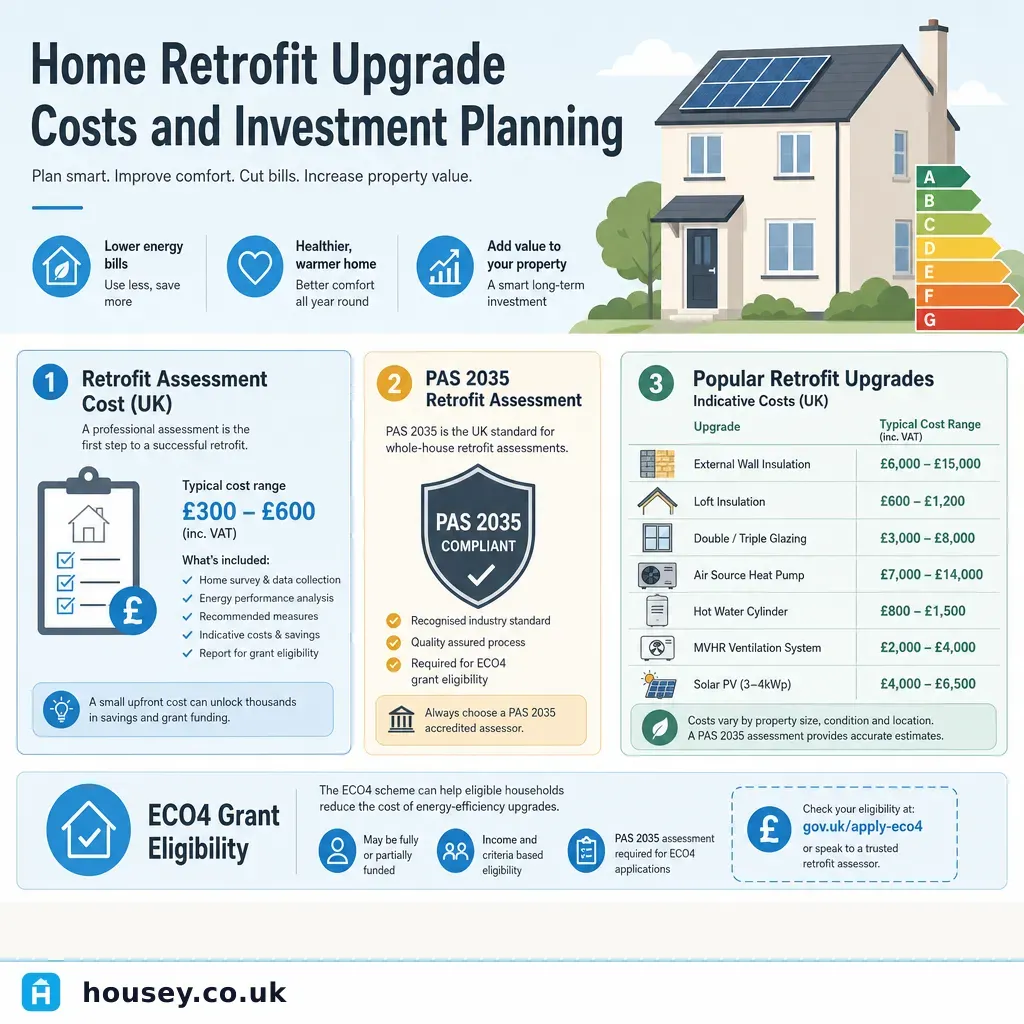
Home Retrofit Upgrade Costs and Investment Planning
Home retrofit costs in the UK vary widely by property size, construction type, and measures chosen. A whole-house deep retrofit can cost £25,000–£60,000+, while individual measures such as loft insulation cost £300–£600. Grants including ECO4 and the Boiler Upgrade Scheme can significantly reduce costs for eligible households. Always commission a PAS 2035 retrofit assessment before starting work.
 Buying & Moving
Moving to Glastonbury: Location Guide and Property Overview
Glastonbury is a small Somerset market town of around 9,000 people, offering Victorian terraces, stone cottages, and modern homes at prices typically below the national average. It draws buyers seeking an independent, heritage-rich community. Key considerations include flood risk across parts of the town and Somerset Levels, limited public transport, and a conservation area covering much of the historic centre.
 Improvement & Build
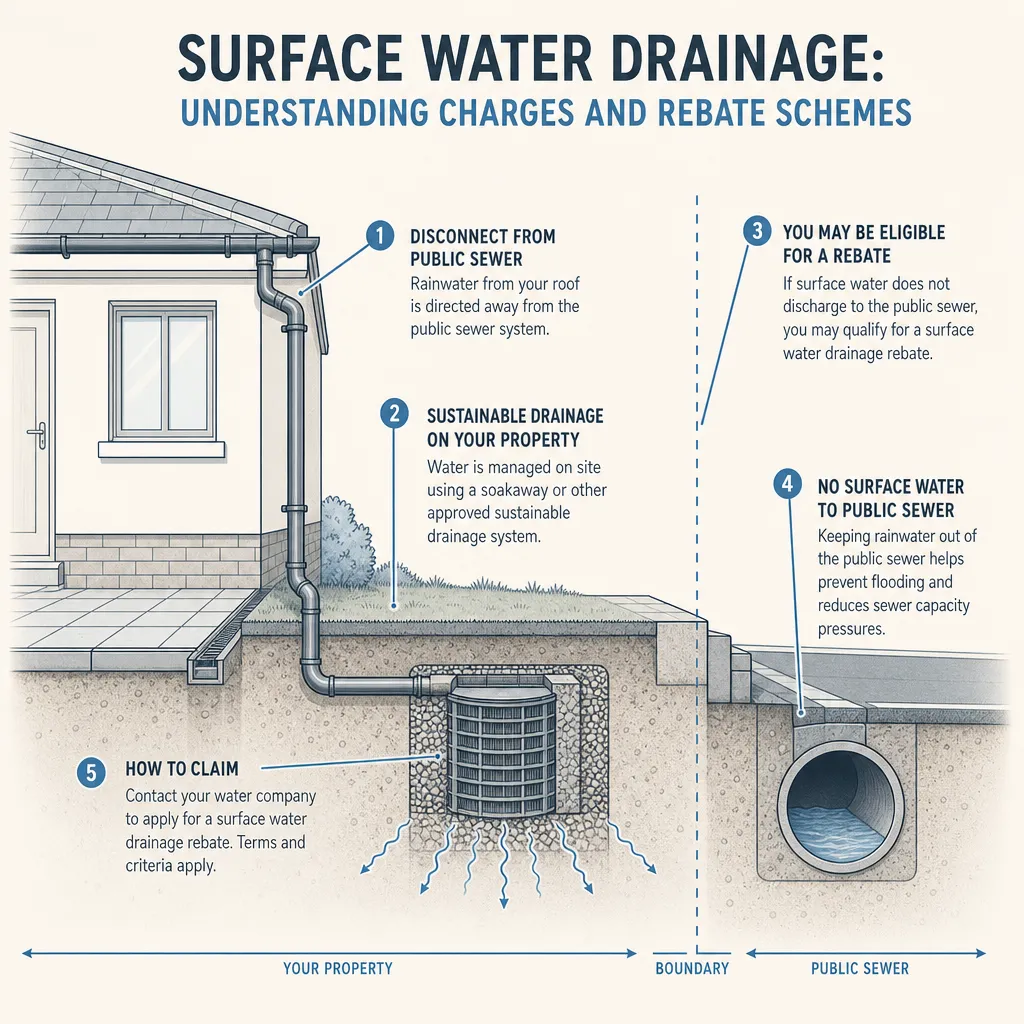
Surface Water Drainage: Understanding Charges and Rebate Schemes
Surface water drainage charges appear on UK household water bills to cover the cost of managing rainwater run-off through the public sewer network. If your property discharges surface water to a soakaway or watercourse rather than the public sewer, you may qualify for a full or partial rebate from your water company — but you need to apply and provide evidence of your drainage arrangement.
 Energy & Retrofit
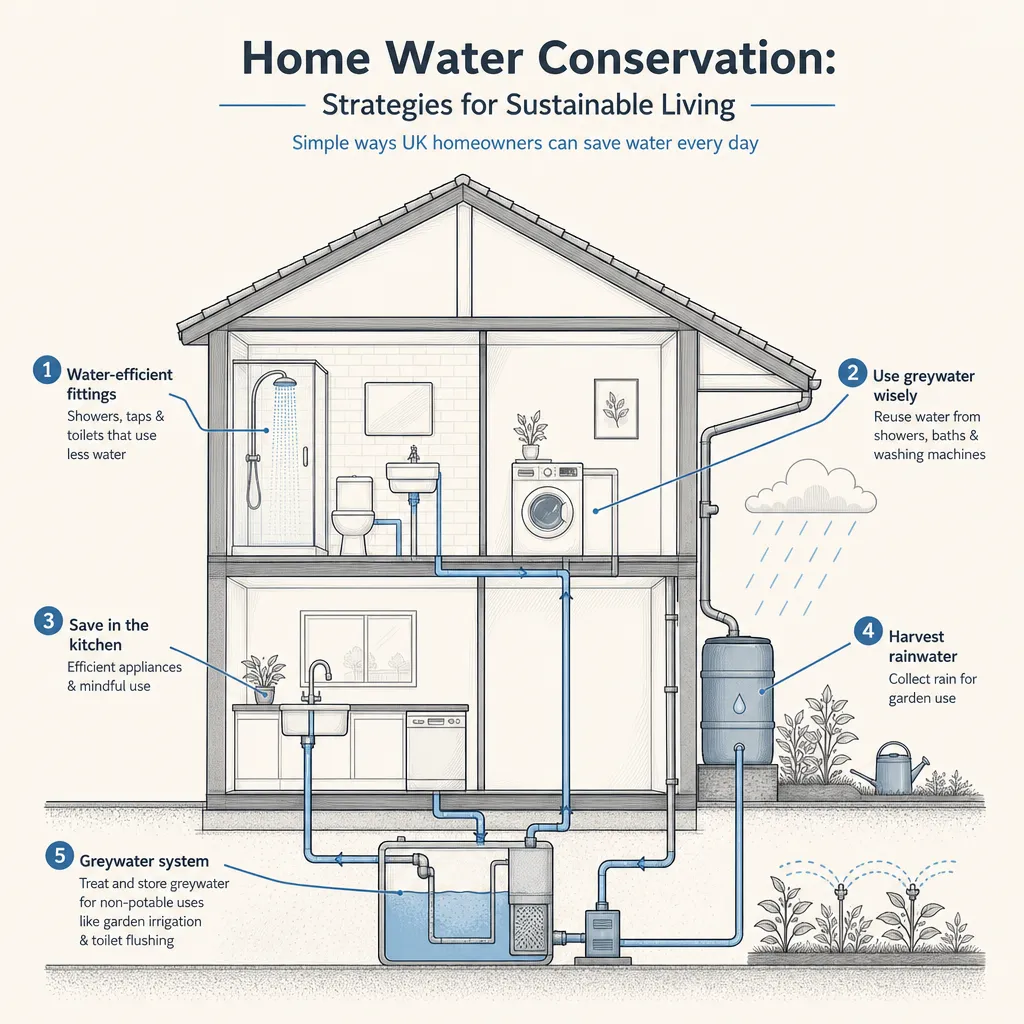
Home Water Conservation: Strategies for Sustainable Living
UK households use an average of around 142 litres per person per day. Simple measures — fitting a water butt, switching to a water meter, installing a dual-flush toilet, and fixing leaks — can reduce consumption by 20–30% or more. More advanced options include greywater recycling and rainwater harvesting systems, which typically require professional installation.
 Improvement & Build
Velux Roof Windows: Features, Benefits, and Installation Guidance
Velux roof windows are the most widely specified brand for UK loft conversions and attic rooms. The GGL (centre-pivot, timber frame) and GGU (top-hung, polyurethane-coated) are the most common residential models. Installation involves structural work, correct flashing selection, and Building Regulations compliance — all of which require qualified professionals for most homeowners.
 Improvement & Build
Home Salon Studio Conversion and Build Costs
Converting a room or outbuilding into a home salon in the UK typically costs £5,000–£25,000 depending on scope. A basic room fit-out may start around £5,000, while a new garden studio or extension can reach £20,000–£35,000. Planning permission, building regulations, ventilation requirements, and specialist business insurance all apply and should be confirmed before work begins.
 Improvement & Build
Window and Door Supply Chain Changes: What UK Homeowners Need to Know
Supply chain leadership changes in the window and door sector can affect lead times, spare parts availability, and warranty enforceability. Most homeowners are insulated from direct disruption if they use a FENSA-registered installer and hold a written contract specifying the profile system and warranty terms. Verify your installer's current registration before signing and pay deposits by credit card where possible.
 Planning & Pre-Build
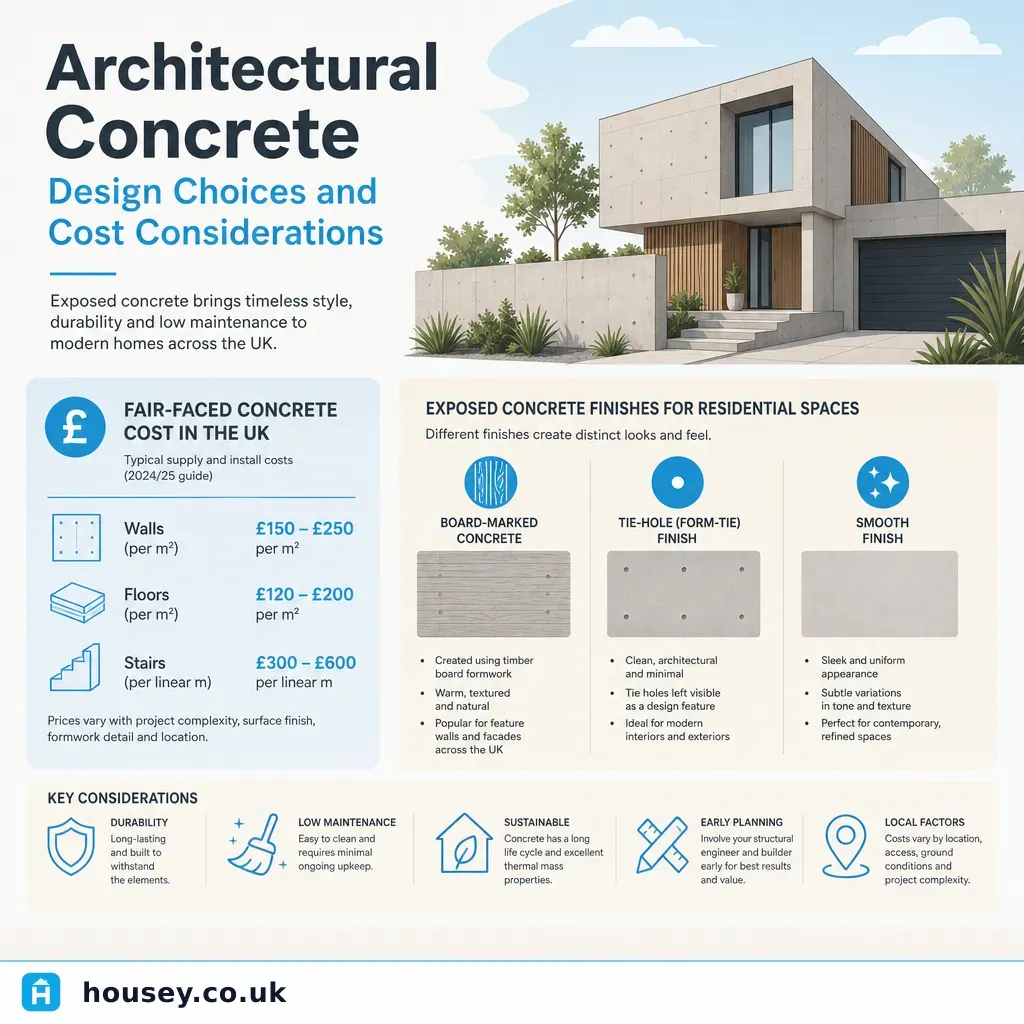
Architectural Concrete: Design Choices and Cost Considerations
Architectural concrete — including fair-faced, board-marked, and polished finishes — demands precise control of mix design, formwork, and curing to achieve a consistent result. UK costs range from around £150 to £400 or more per square metre for fair-faced in-situ work, depending on the finish grade and contractor experience. An architect with concrete specification experience should be involved from the design stage onwards.
 Energy & Retrofit
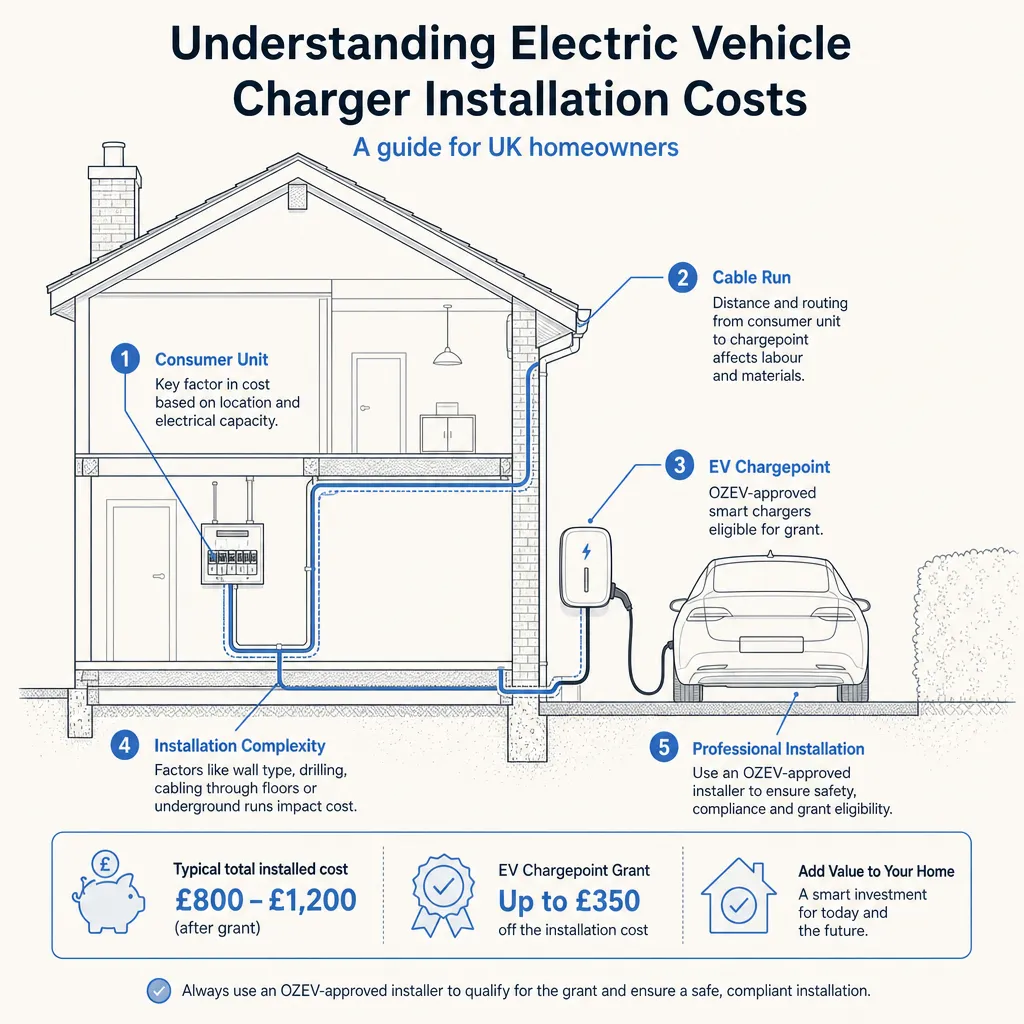
Understanding Electric Vehicle Charger Installation Costs
Installing a home EV wallbox charger in the UK typically costs £800–£1,200 for a 7kW unit, including an OZEV-approved installer's labour. Eligible homeowners can claim the EV Chargepoint Grant (up to £350 or 75% of the cost, whichever is lower) through an OZEV-approved installer. Smart charging capability is now a legal requirement for all new home chargers.
 Planning & Pre-Build
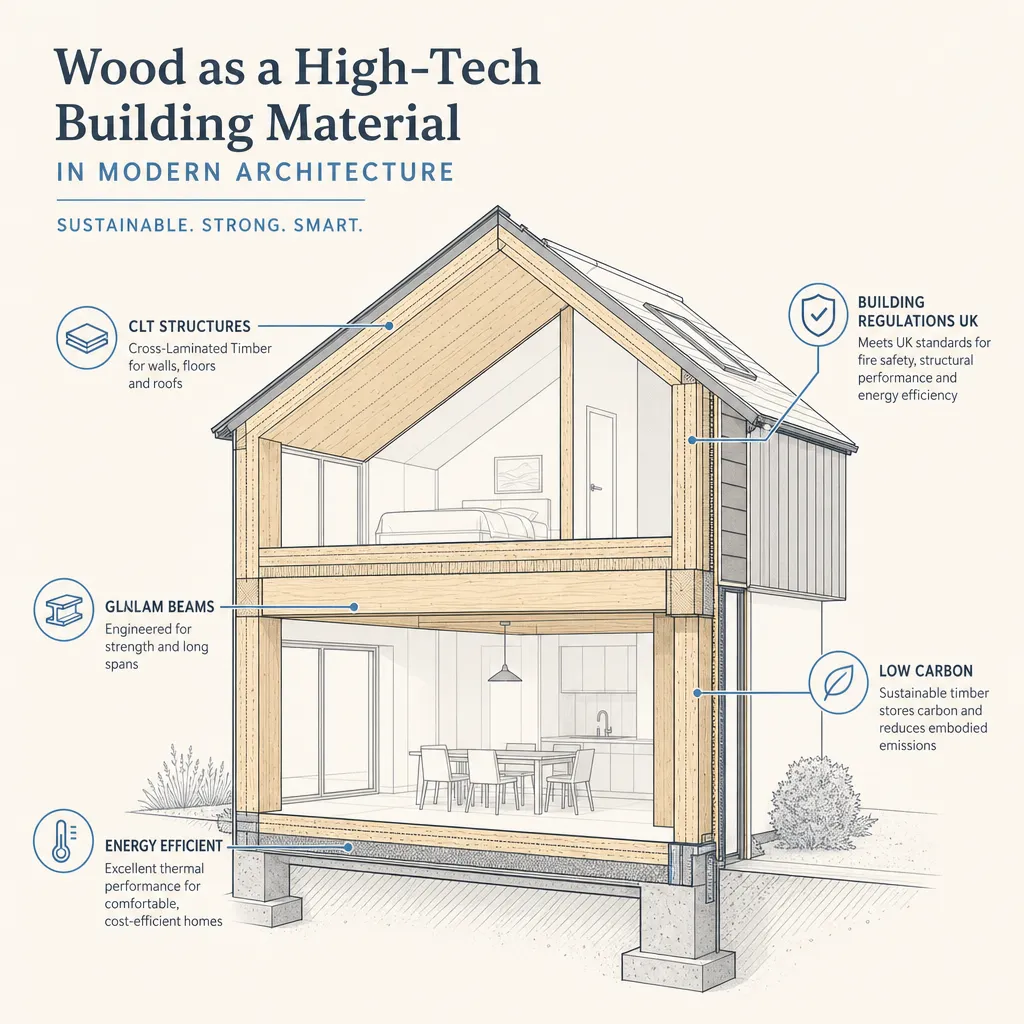
Wood as a High-Tech Building Material in Modern Architecture
Engineered wood products — cross-laminated timber (CLT), glulam, and laminated veneer lumber (LVL) — achieve structural performance comparable to concrete and steel, with significantly lower embodied carbon. For UK projects, the key decisions involve fire compliance with Approved Document B, moisture management detailing, and working with an architect experienced in timber construction.