Knowledge Base
Property advice that actually helps
Researched, UK-specific guides for every stage of homeownership — from buying and surveys to retrofit, planning and major works.
 Energy & Retrofit
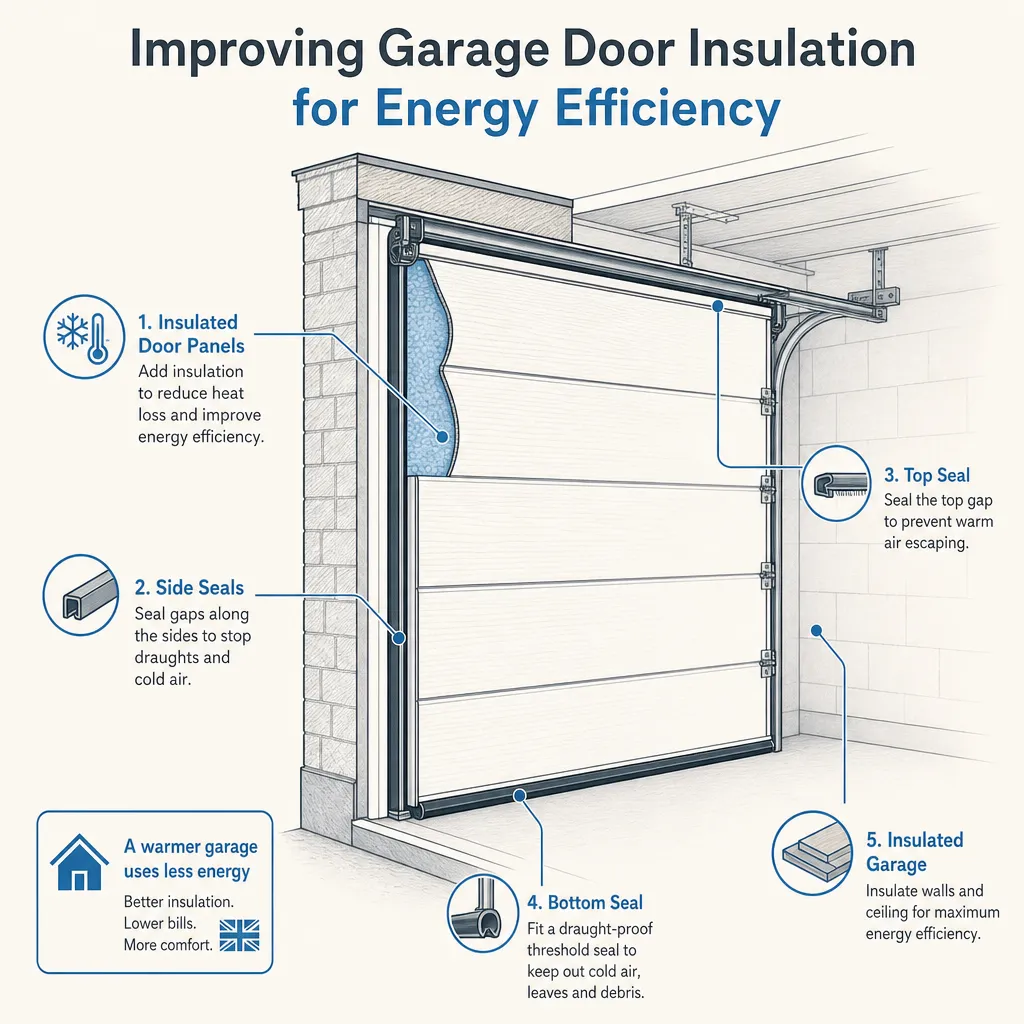
Improving Garage Door Insulation for Energy Efficiency
Improving garage door insulation typically involves fitting a retro-fit panel kit to an existing door, replacing a single-skin door with an insulated sectional model, or adding draught seals around the frame. For attached or integral garages, good door insulation can noticeably reduce heat loss into the main house and help trim energy bills.
 Improvement & Build
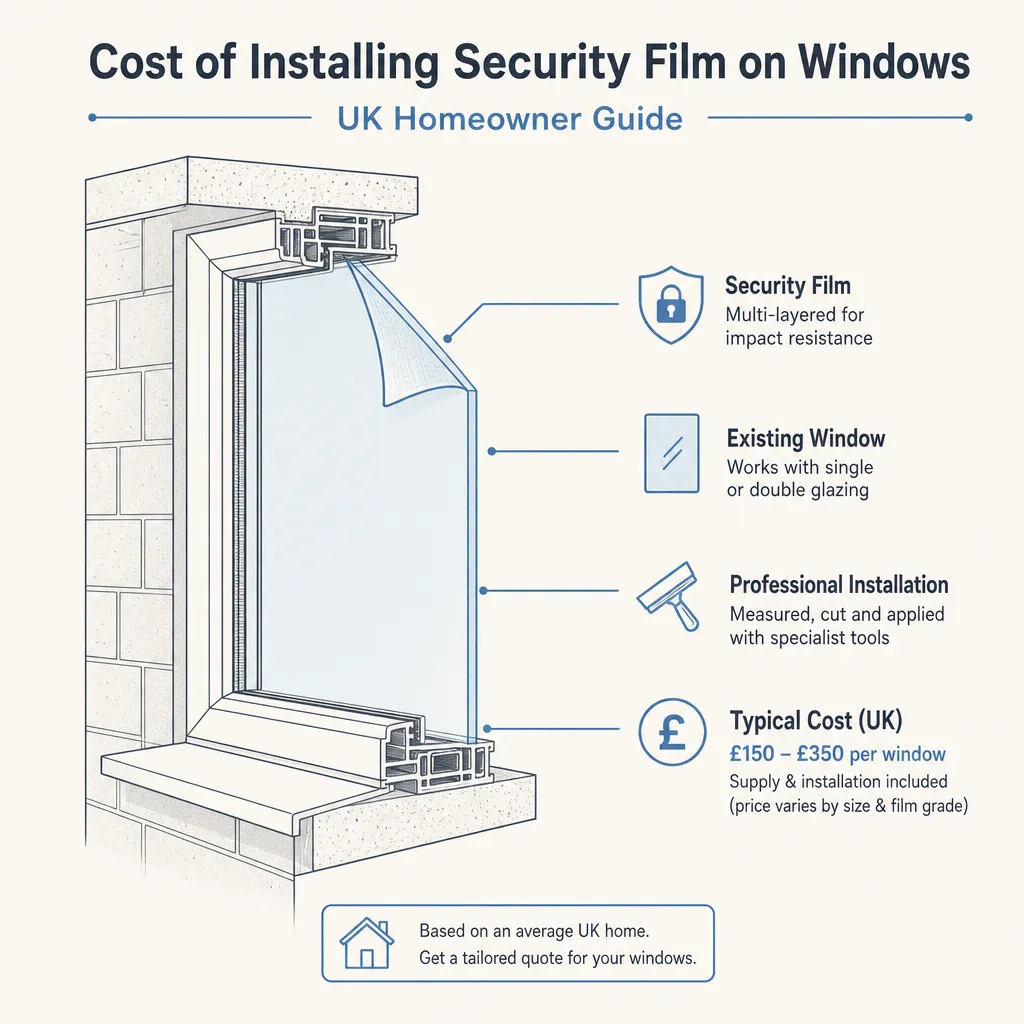
Cost of Installing Security Film on Windows
Security film for windows in the UK typically costs £25–£60 per m² for supply and professional installation, depending on film specification and window count. A standard ground-floor window of approximately 1–1.5 m² may cost £40–£100 fitted. DIY kits are cheaper but harder to apply without bubbles or edge peeling. Always verify that the film is compatible with your existing glass type before ordering.
 Improvement & Build
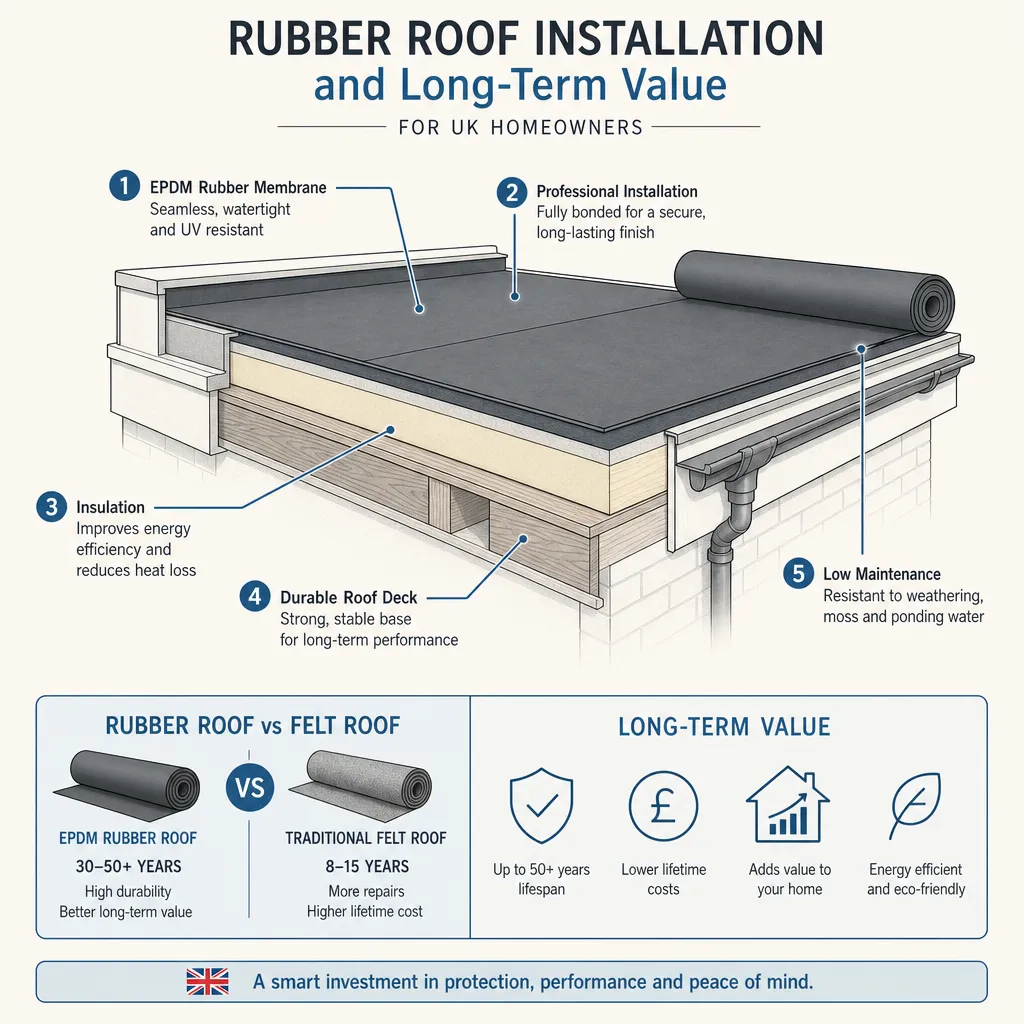
Rubber Roof Installation and Long-Term Value
EPDM rubber roofing is a synthetic membrane for flat and low-pitch roofs that typically lasts 30–50 years with minimal maintenance. Installation involves bonding a single rubber sheet to a prepared deck, and costs usually range from £50–£100 per m². Building Regulations approval is required for most re-roofing projects in England under Approved Document L.
 Improvement & Build
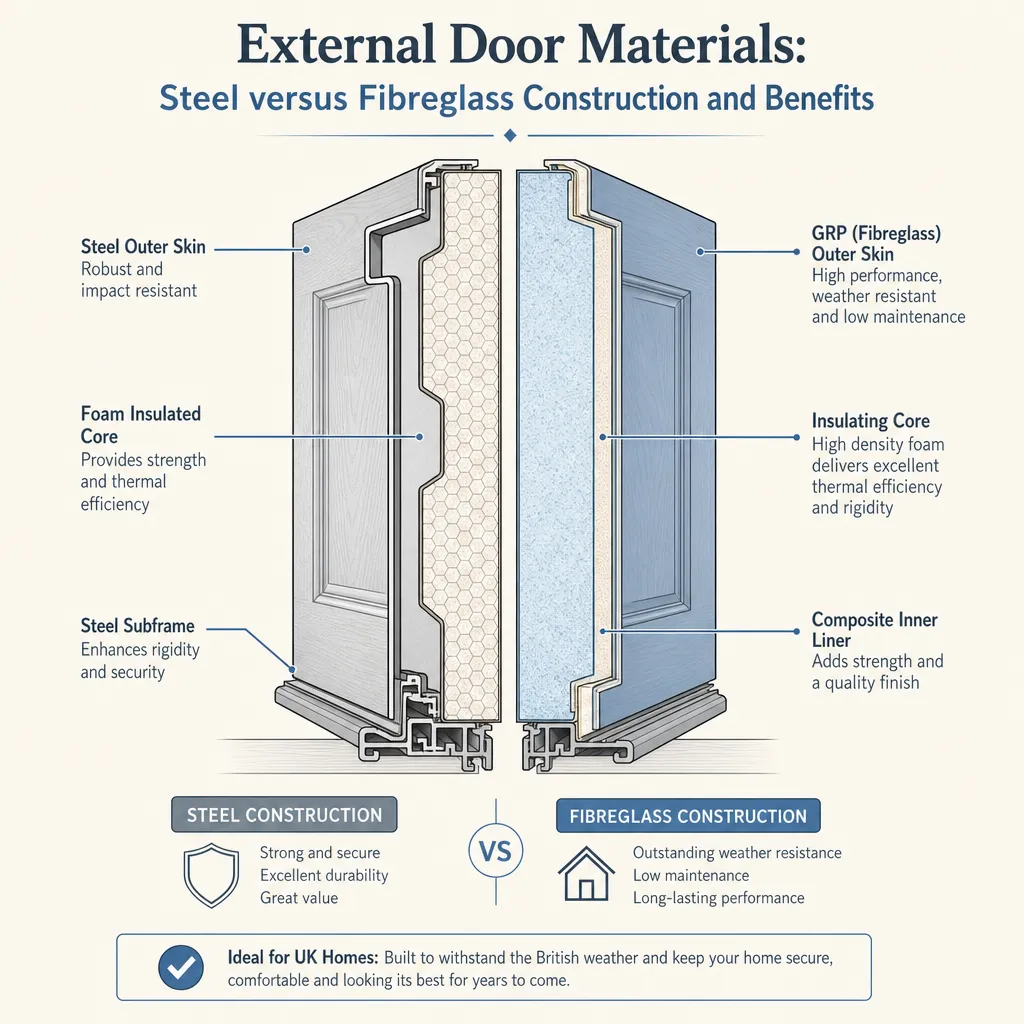
External Door Materials: Steel versus Fibreglass Construction and Benefits
Steel external doors use a cold-rolled steel skin over a foam-filled frame and offer high rigidity and security. Fibreglass (GRP) doors are moulded for dimensional stability, corrosion resistance, and period-sympathetic appearance. For most UK domestic replacements, GRP composite doors offer better thermal performance and lower maintenance, while steel suits high-security and fire-rated applications.
 Improvement & Build
House Cladding Options: Comparing External Wall Materials and Finishes
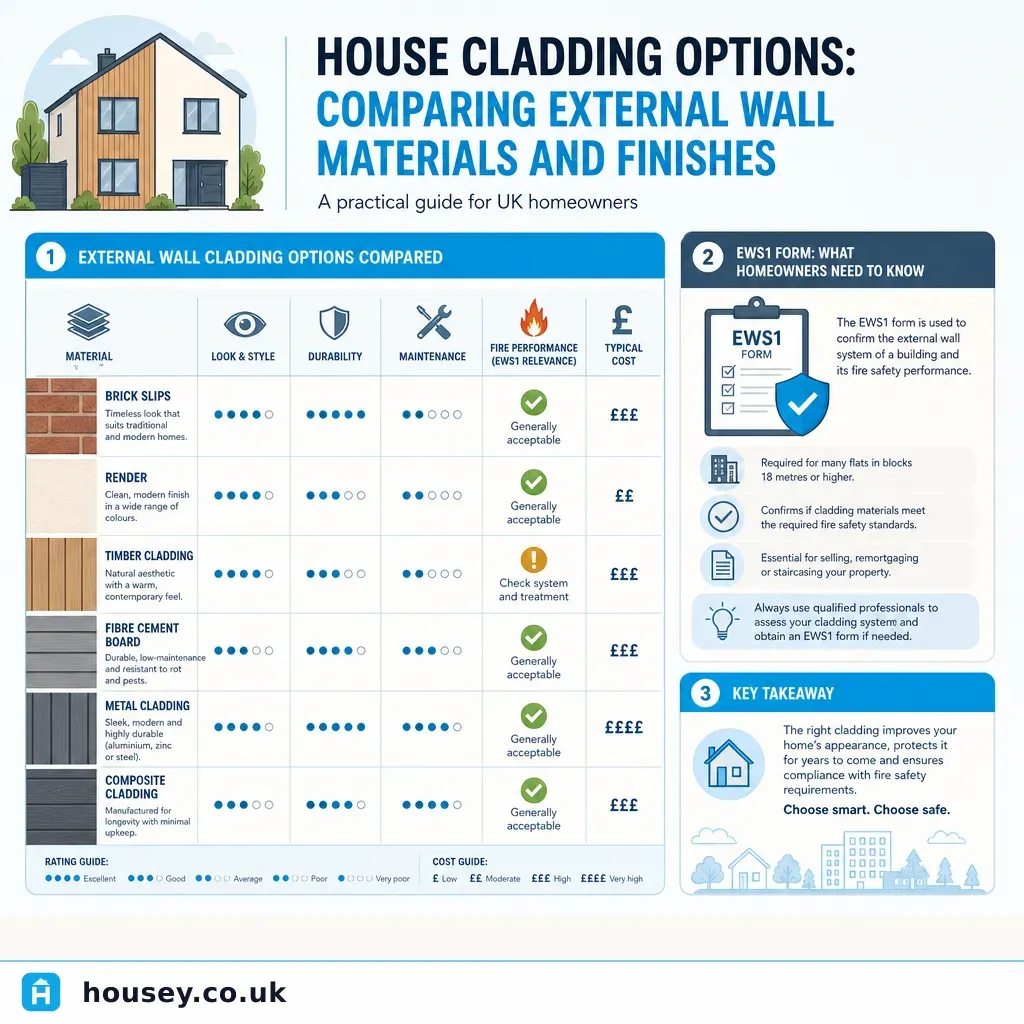
External cladding materials for UK homes include render over insulation, brick slips, timber boards, metal panels, and fibre cement. Choosing the right system depends on fire performance requirements, thermal targets, planning constraints, and property type. Since the Building Safety Act 2022, fire safety rules for external wall systems have tightened significantly — particularly for buildings over 11 metres — and professional assessment is essential before any significant cladding work.
 Improvement & Build
Fireplace Inserts: Upgrading Heating Efficiency in Period Properties
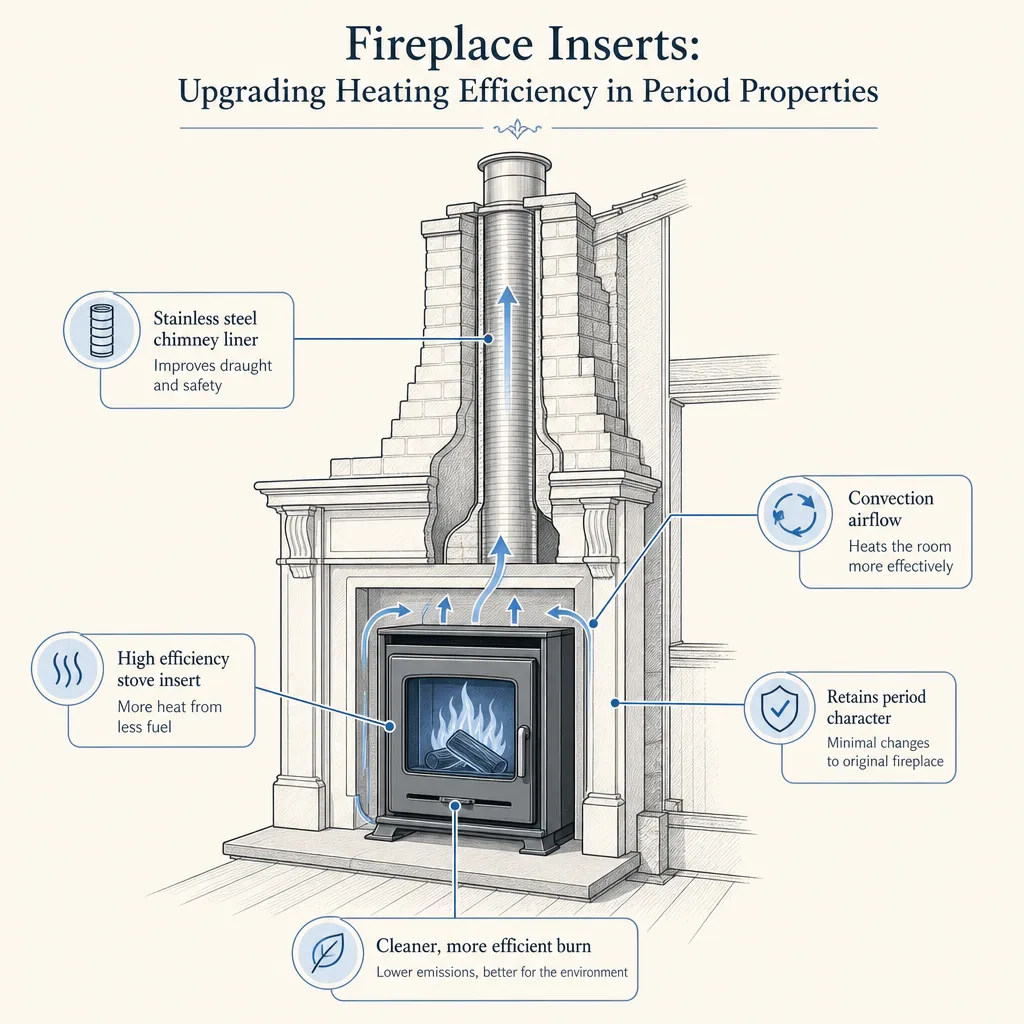
Fireplace inserts in period properties must comply with Building Regulations Approved Document J and, in smoke control areas, use only Defra-exempt appliances. A flexible chimney liner is usually required, and a HETAS-registered installer can self-certify the work. Chimney condition should always be assessed before specifying an appliance, as internal flue defects are common in pre-1919 properties.
 Surveys & Inspections
Fixing a Sagging Roof: Diagnosis, Structural Assessment and Repair
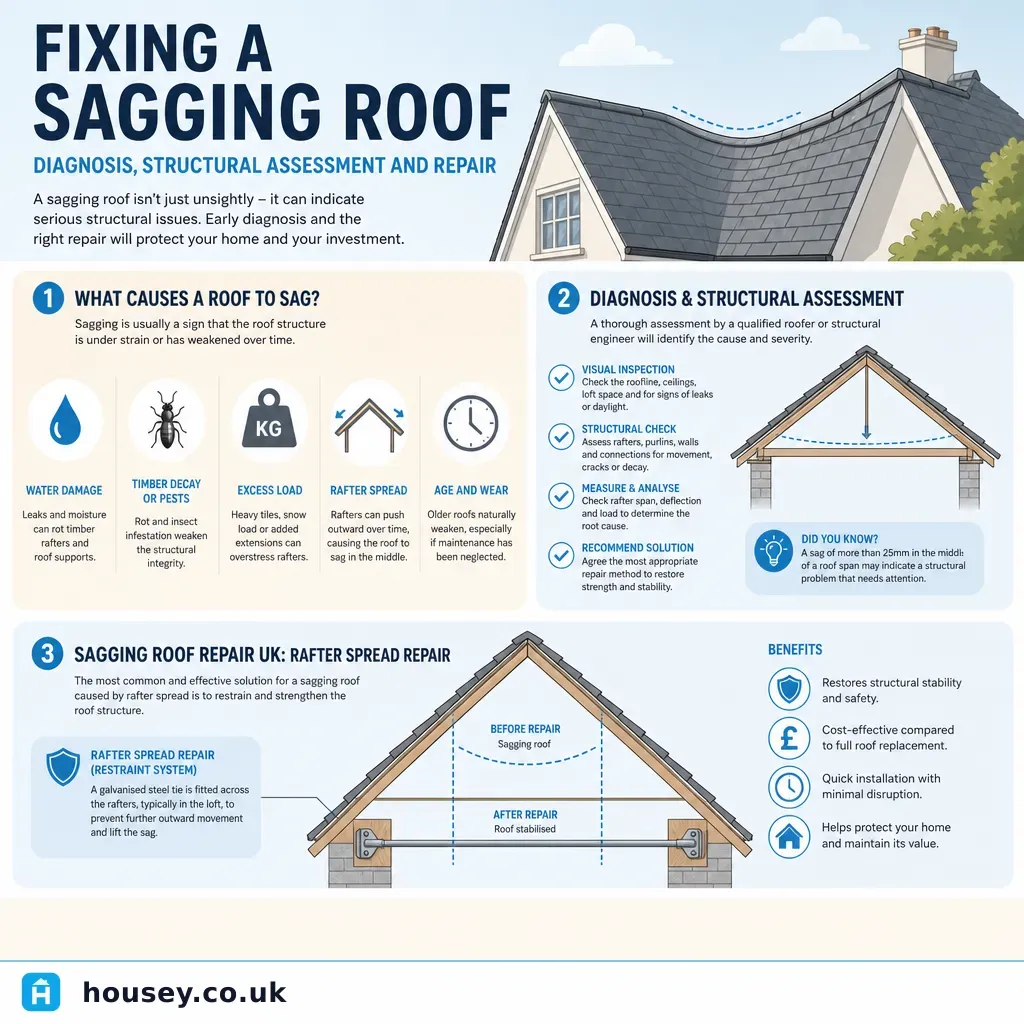
A sagging roof usually points to failed or overloaded roof timbers, rafter spread, or a compromised ridge board. It requires assessment by a structural engineer or chartered surveyor, as continued loading can lead to partial collapse. Temporary propping may be recommended while a full structural assessment and repair specification is prepared. Do not instruct roofing work before obtaining a structural opinion.
 Energy & Retrofit
Understanding Solar Inverters: How They Work in Solar Installations
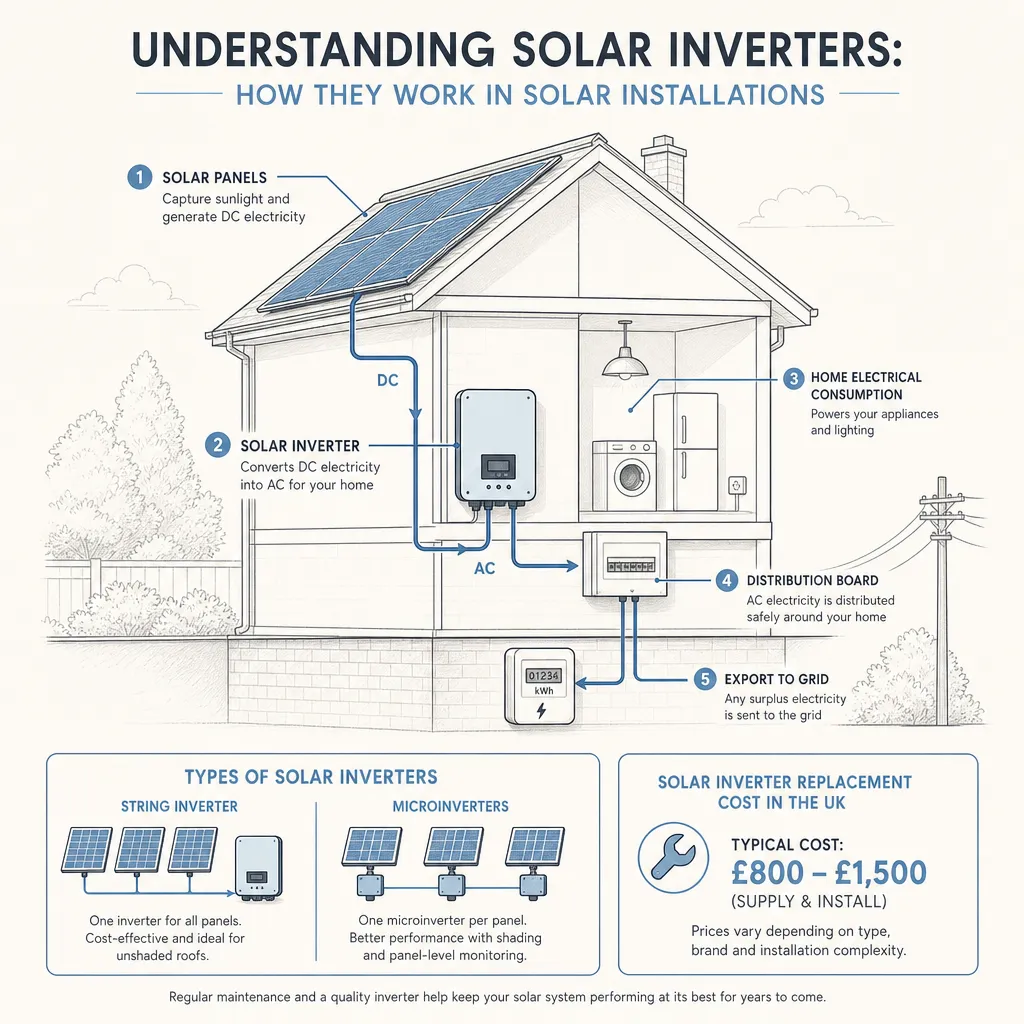
A solar inverter converts direct current (DC) electricity from solar panels into 230V alternating current (AC) that UK home appliances and the grid can use. It is the central component of any solar PV installation. Without an inverter, the power generated by panels cannot run standard appliances or be exported under the Smart Export Guarantee.
 Buying & Moving
Selling Your Property Privately: Process and Considerations
Selling a property privately in the UK means handling marketing, viewings, negotiations, and buyer communication yourself, saving estate agent fees typically of 1–3% of the sale price. You still need a licensed conveyancer or solicitor to manage the legal transfer. Private sales suit motivated sellers with time, local knowledge, and confidence in negotiation, but carry real risks if legal or disclosure steps are missed.
 Improvement & Build
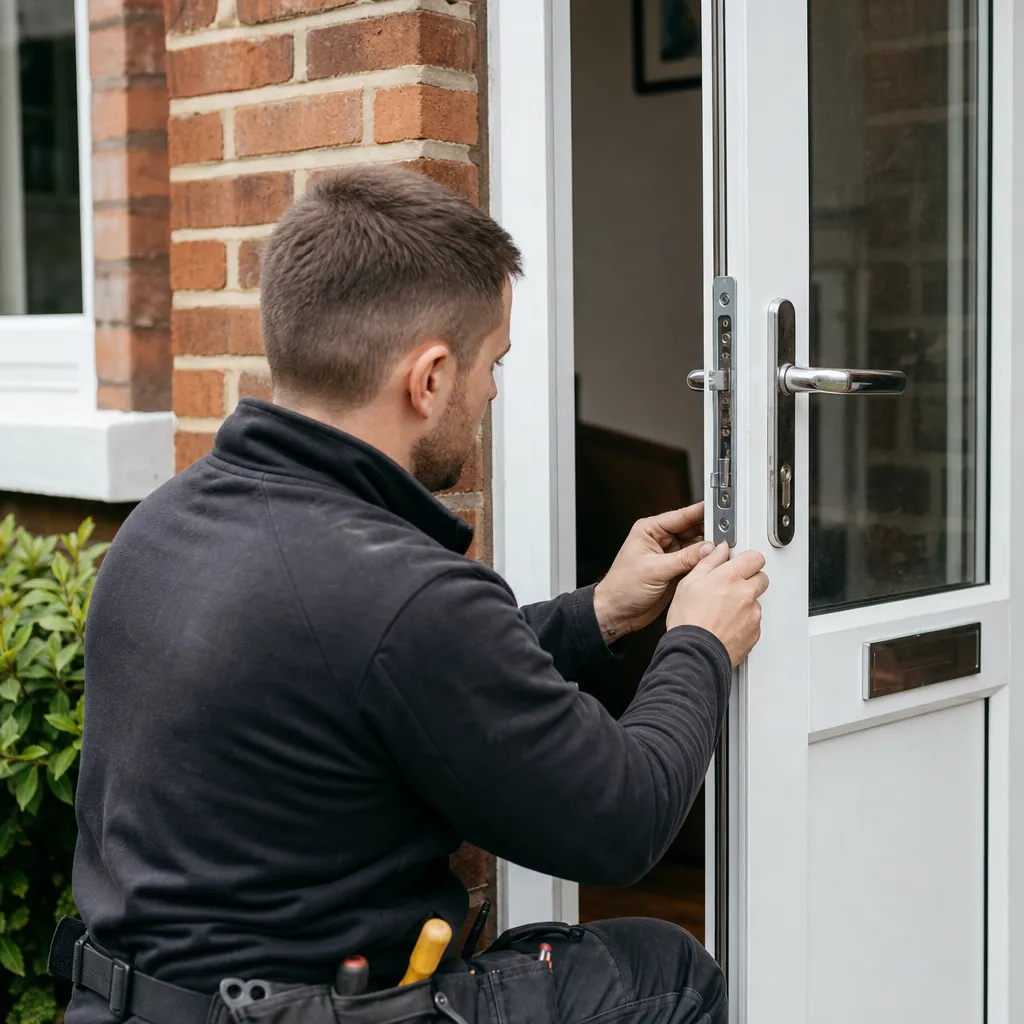
Repairing a Broken uPVC Door Lock: Replacement and Solutions
A broken uPVC door lock usually needs a new cylinder, a replacement multipoint mechanism, or both. Most uPVC doors operate several hooks and bolts from a single handle — when the mechanism fails, the door cannot be secured. Replacing the cylinder is often a DIY task; a full mechanism swap usually warrants a locksmith or window and door installer.
 Improvement & Build
Composite French Doors: A Complete Buyer's Guide
Composite French doors combine a GRP or timber-effect outer skin with a solid insulated core, offering durability and low maintenance suited to UK weather. When buying, check the door set's U-value, glazing specification, security certification, and opening configuration before you order. A FENSA-registered installer handles building control notification automatically, saving you a separate application.
 Improvement & Build
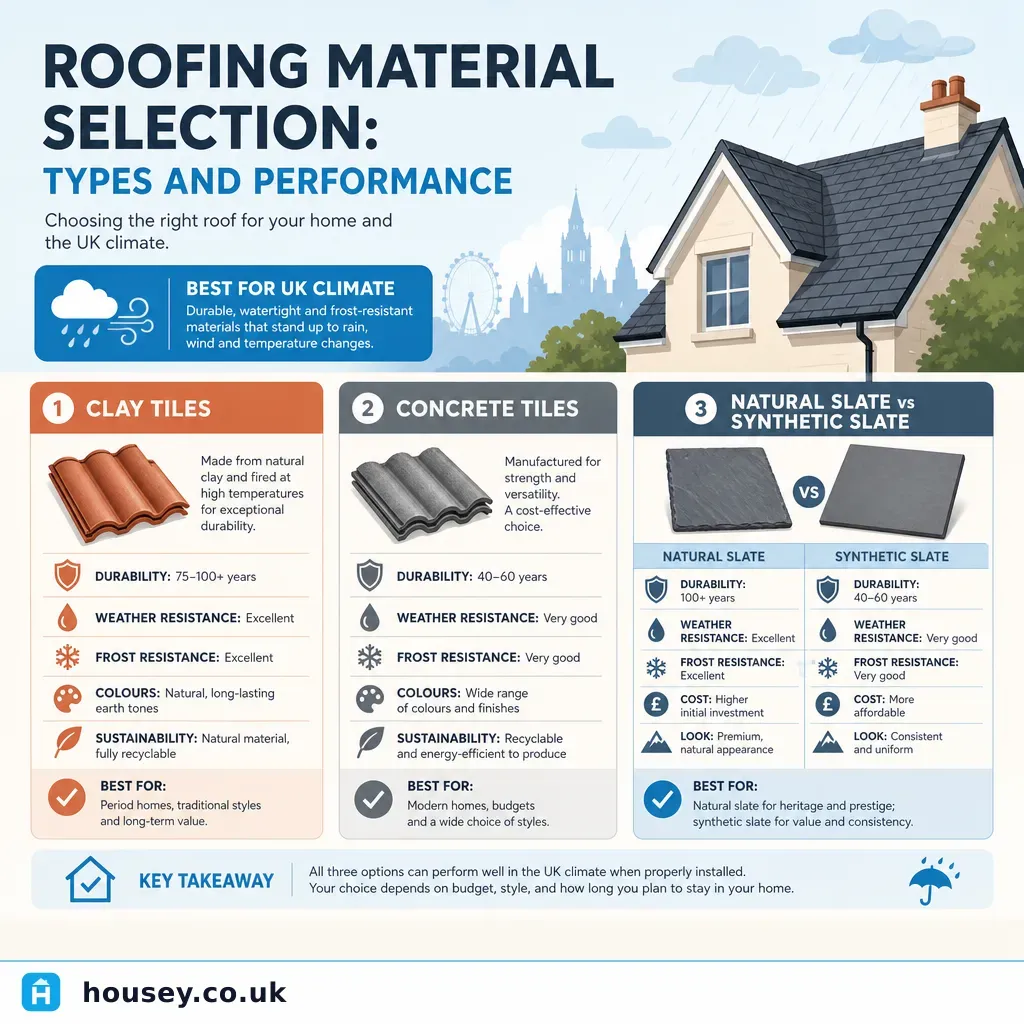
Roofing Material Selection: Types and Performance
The right roofing material depends on your roof pitch, property type, local planning requirements, and budget. Clay and concrete tiles suit most pitched roofs on UK homes; natural slate is preferred for older and listed properties; standing seam metal suits modern low-pitch builds; and EPDM or GRP suits flat roofs. Each material differs significantly in lifespan, cost, and maintenance requirements.