Knowledge Base
Property advice that actually helps
Researched, UK-specific guides for every stage of homeownership — from buying and surveys to retrofit, planning and major works.
 Improvement & Build
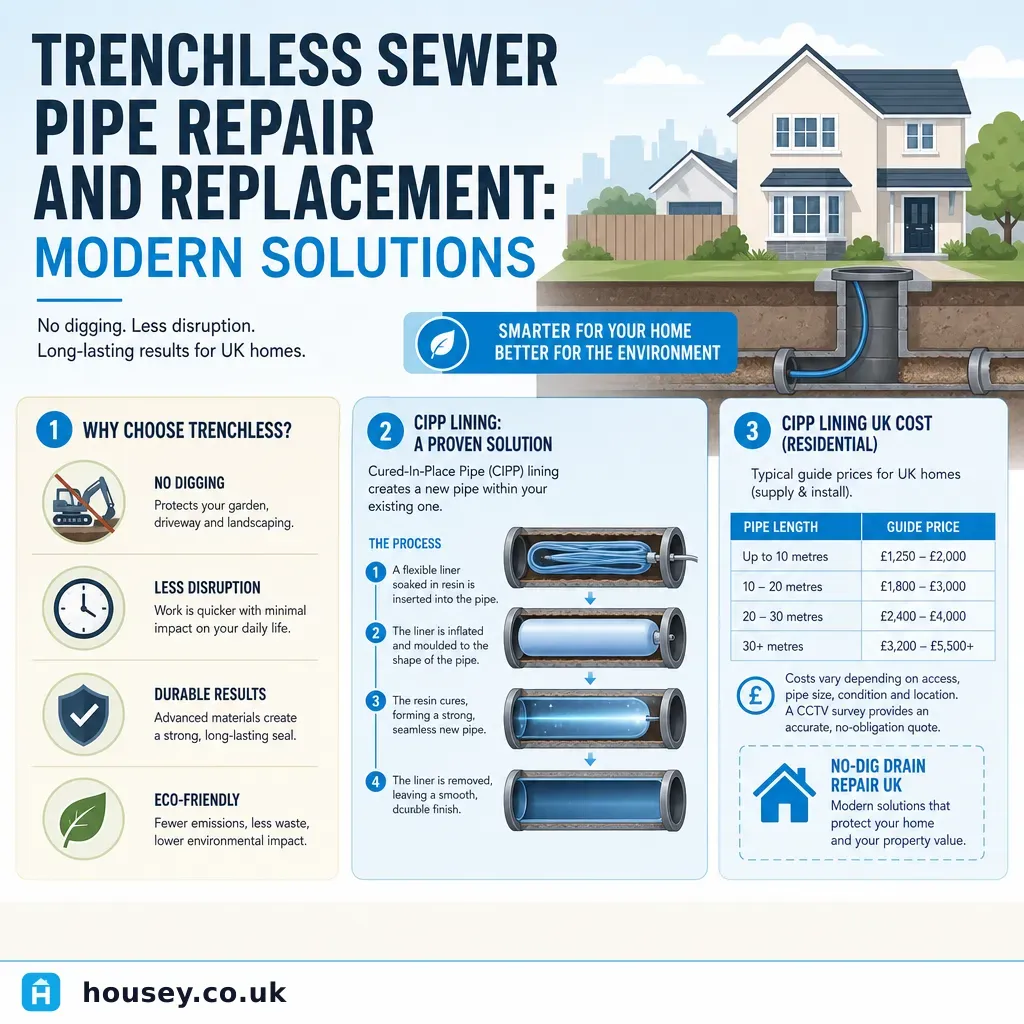
Trenchless Sewer Pipe Repair and Replacement: Modern Solutions
Trenchless sewer pipe repair uses methods such as CIPP (cured-in-place pipe) lining and pipe bursting to rehabilitate or replace underground drain pipes with minimal excavation. A CCTV drain survey is required first to confirm defect type, pipe condition, and access points. Most domestic drain runs can be lined in a single working day with no surface disruption beyond the access manhole.
 Improvement & Build
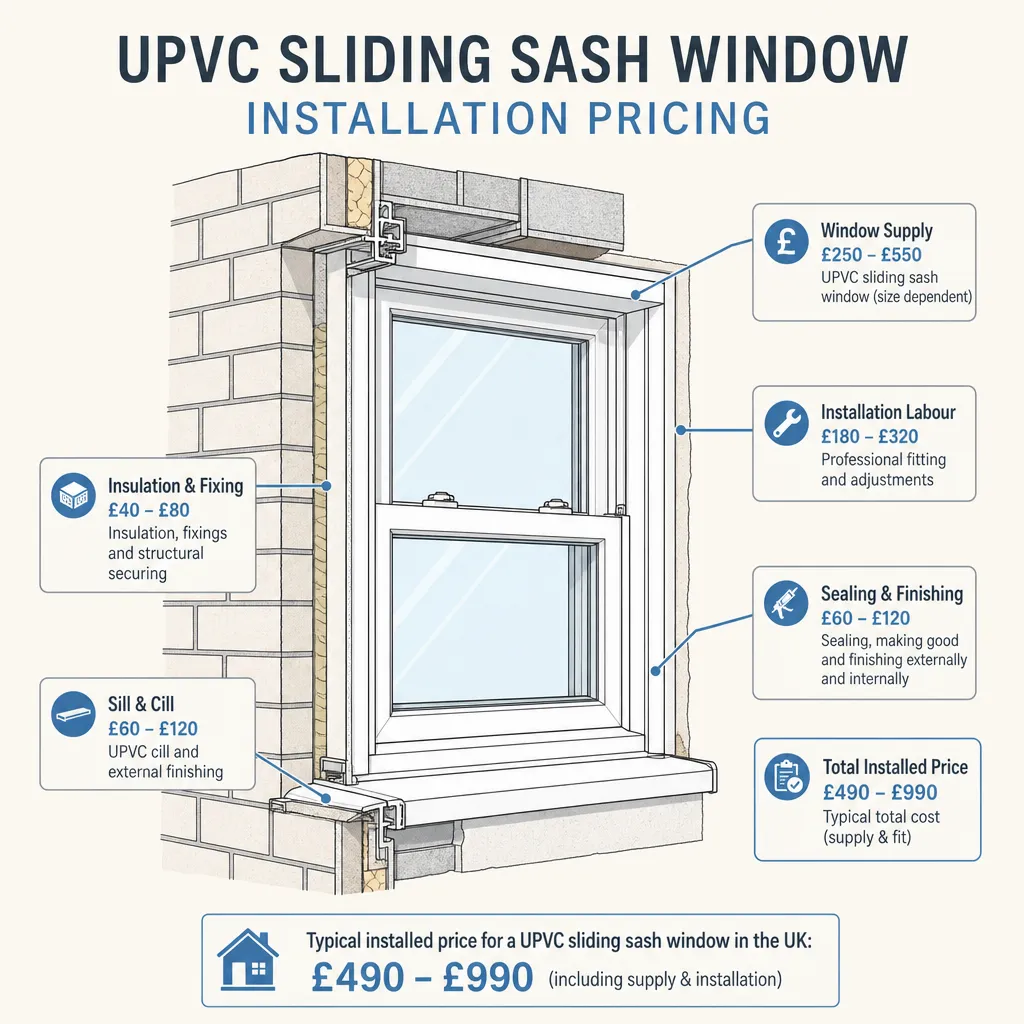
UPVC Sliding Sash Window Installation Pricing
UPVC sliding sash windows are priced by size, glazing specification, balance system, finish, and access requirements. Indicative installed costs run from £500 to £1,400 per window in the UK. All replacement window installations must meet Building Regulations Part L and be certified by a FENSA or CERTASS-registered installer. Always get itemised written quotes before committing.
 Improvement & Build
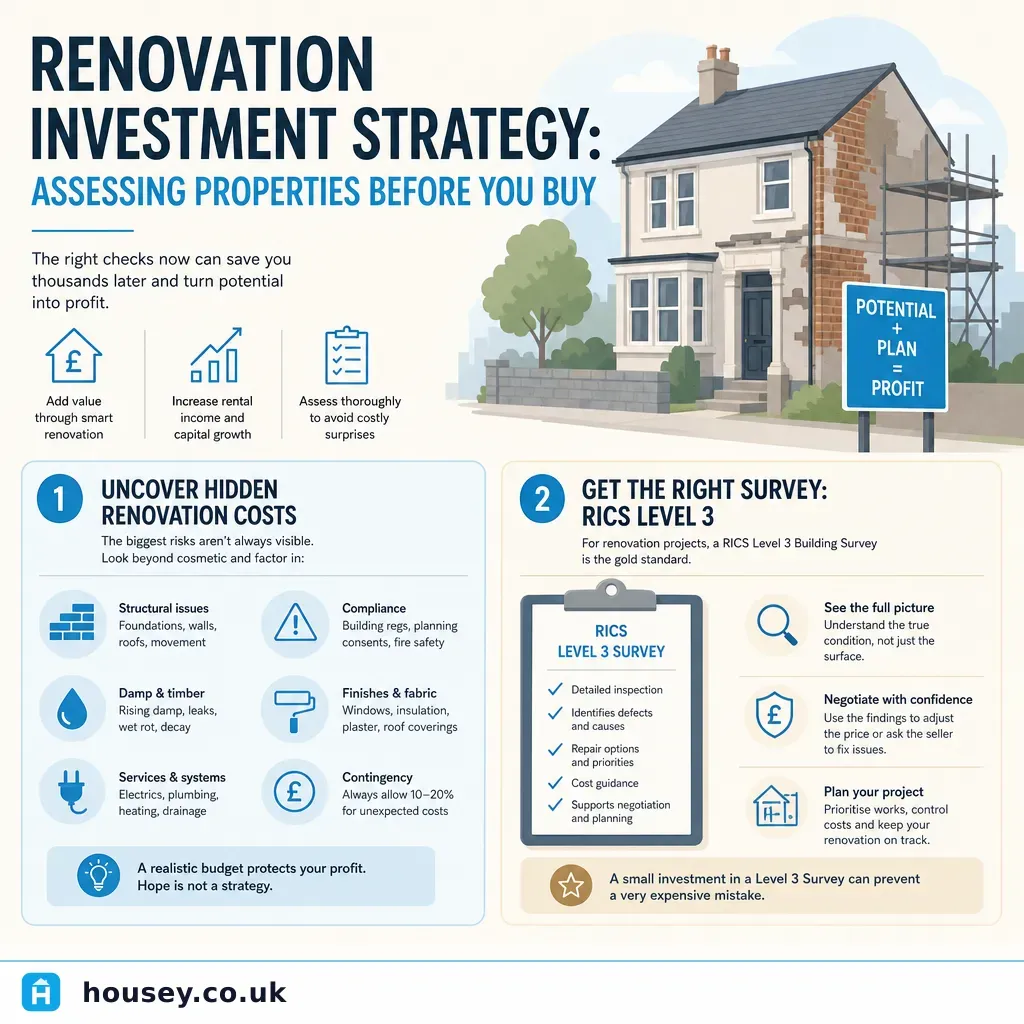
Renovation Investment Strategy: Assessing Properties Before You Buy
Renovation investment properties require more due diligence than a standard home purchase. A RICS Level 3 Building Survey before exchange identifies hidden defects and estimates remedial costs, helping you set a rational offer price. Build in a 15–20% contingency on works costs, verify planning and permitted development status, and confirm previous alterations had building regulations approval before committing to buy.
 Planning & Pre-Build
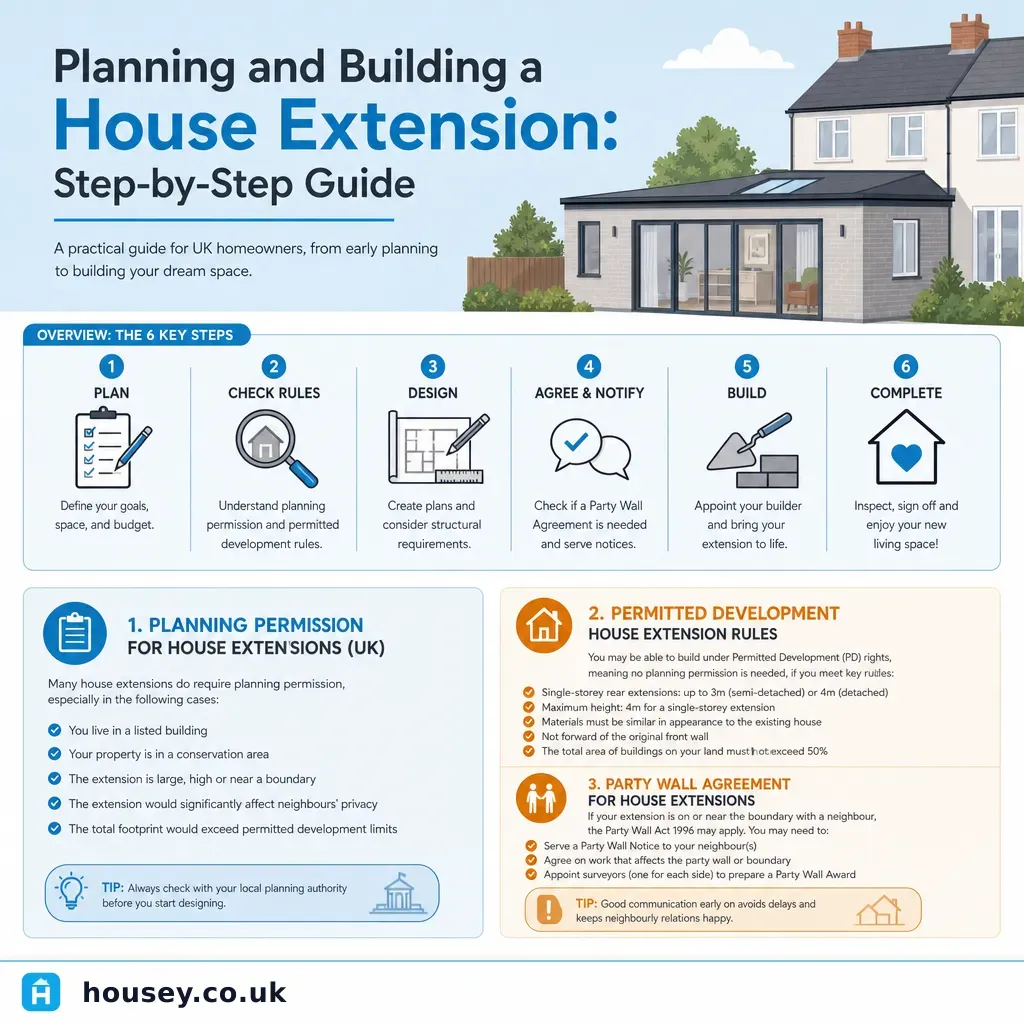
Planning and Building a House Extension: Step-by-Step Guide
A house extension in the UK usually requires either planning permission or confirmation of permitted development rights, Building Regulations approval, and — where work affects a shared wall or boundary — compliance with the Party Wall etc. Act 1996. Most single-storey rear extensions are permitted development, but two-storey, side, and large rear extensions typically need a full planning application.
 Buying & Moving
Conveyancing Glossary: Key Terms and Definitions for Property Buyers
Conveyancing involves specific legal terms that appear throughout a UK property purchase. The most important are: exchange (when the sale becomes legally binding), completion (when funds transfer and keys are released), disbursements (third-party costs your solicitor pays on your behalf), title (legal ownership of the property), and requisitions (formal questions about title raised before completion). Leasehold adds further terms around lease length, ground rent, and service charges.
 Energy & Retrofit
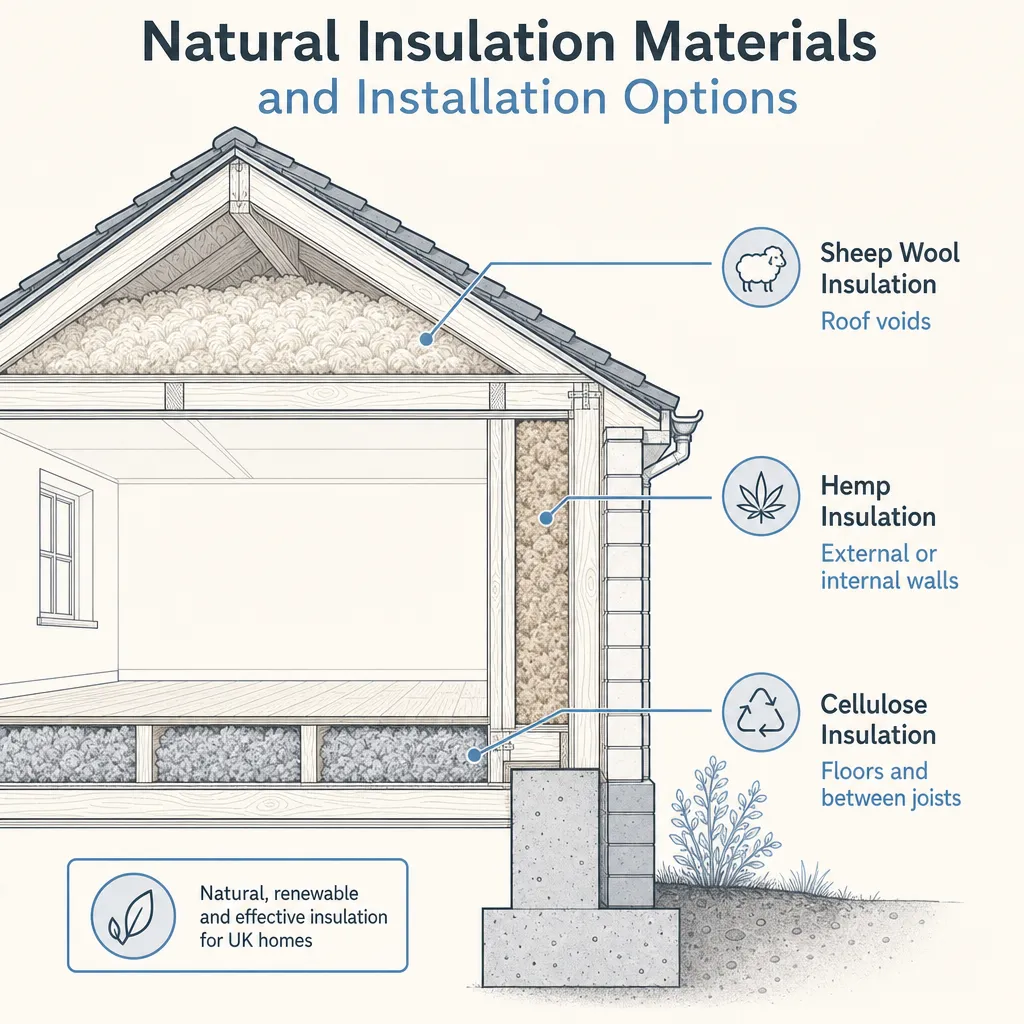
Natural Insulation Materials and Installation Options
Natural insulation materials such as sheep wool, hemp, cellulose, wood fibre, and cork can match mineral wool for thermal performance and offer additional benefits including moisture buffering and lower embodied carbon. The right choice depends on your property type, the area being insulated, moisture risk, and whether the project is privately funded or grant-supported.
 Energy & Retrofit
Solar window film: enhancing thermal performance and energy efficiency
Solar window film is a thin laminate applied to glass that reduces solar heat gain by 30–80% depending on specification. It controls glare and blocks up to 99% of UV radiation, slowing furniture fading. Most homes do not need planning permission for interior film, though listed buildings and conservation areas may have restrictions. It costs significantly less than replacing glazing.
 Improvement & Build
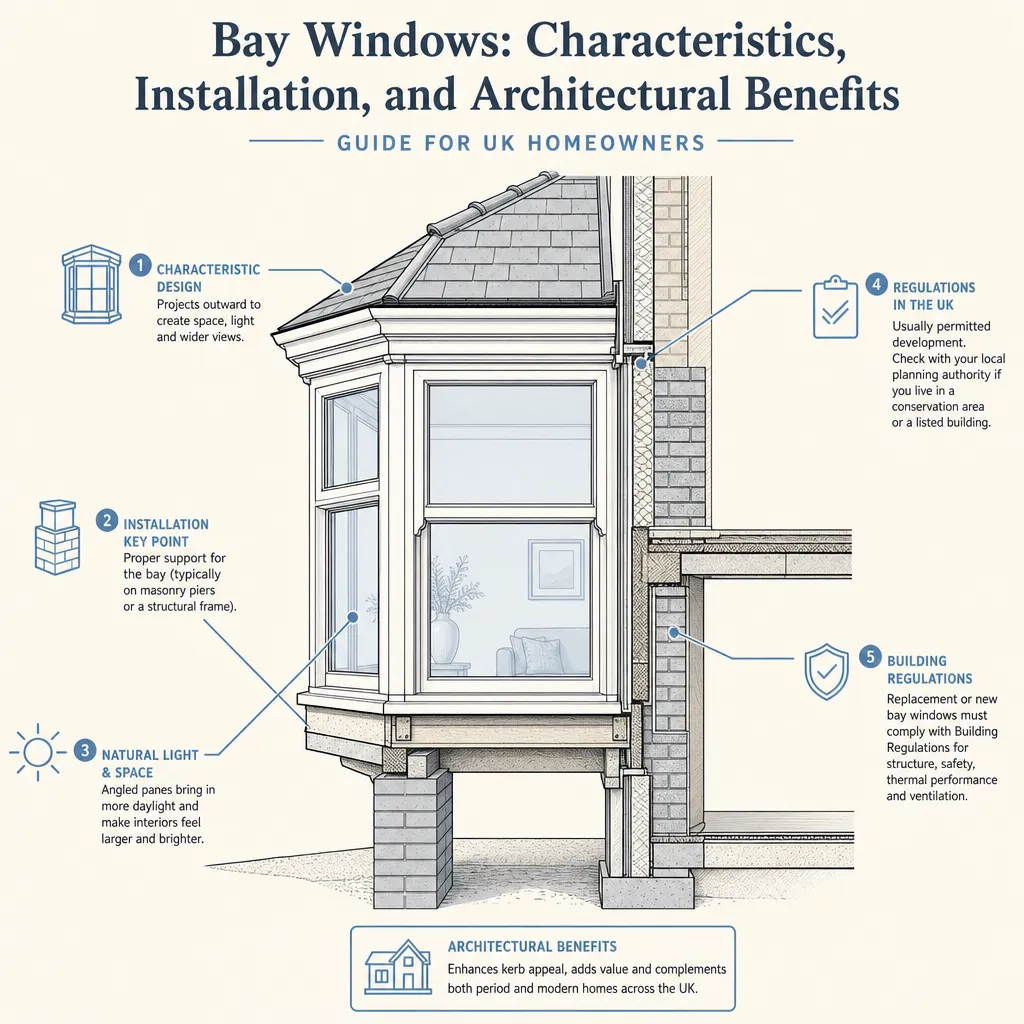
Bay Windows: Characteristics, Installation, and Architectural Benefits
Bay windows project outward from the main wall, adding floor space, natural light, and architectural character. The three main types — box, canted, and bow — suit different property styles. Most replacements are permitted development in England, but listed buildings and conservation areas require planning permission. FENSA certification is required for all replacement installations.
 Surveys & Inspections
Asbestos Survey And Removal: Finding Qualified Contractors
An asbestos survey establishes whether asbestos-containing materials are present in your property and their condition. Management surveys suit occupied buildings; refurbishment and demolition surveys are required before intrusive work begins. Only HSE-licensed contractors may remove most forms of notifiable asbestos. Always use a UKAS-accredited surveyor and verify any contractor's licence on the HSE public register before work starts.
 Improvement & Build
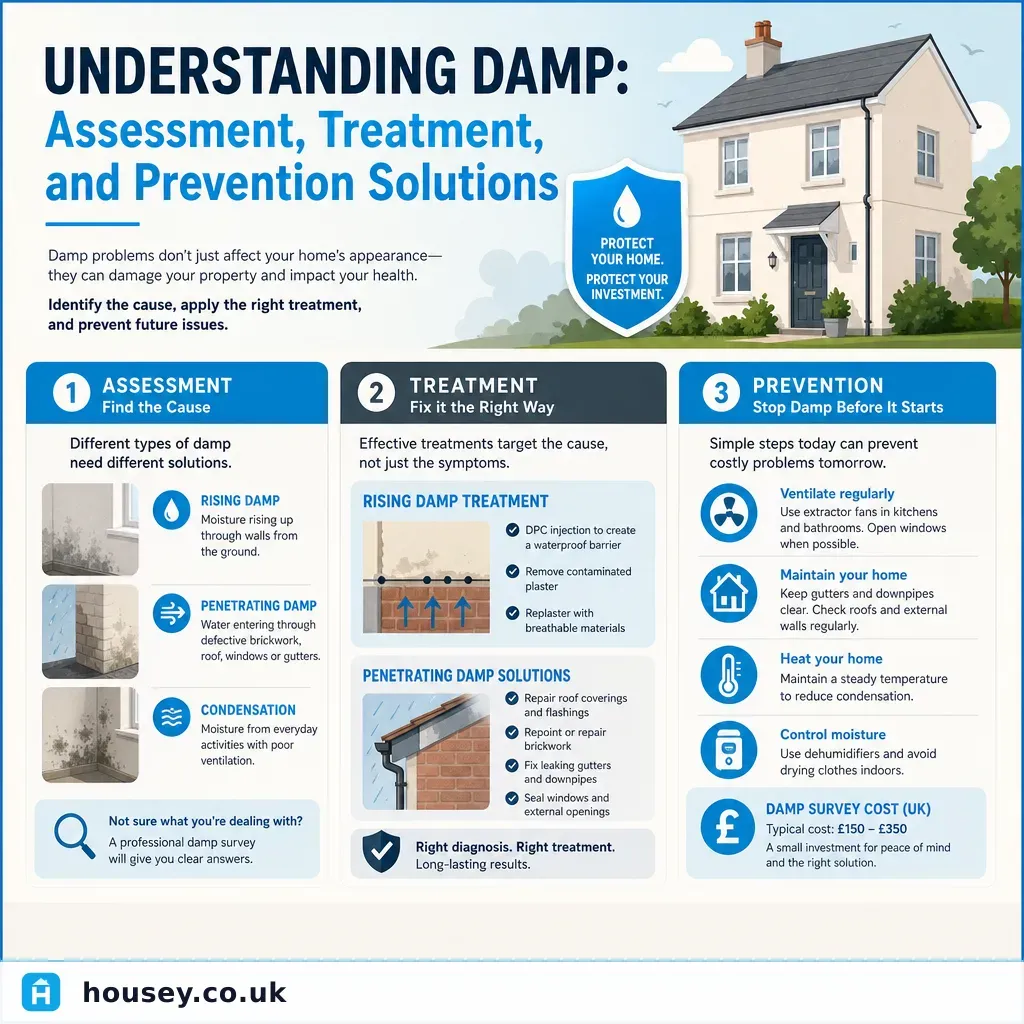
Understanding Damp: Assessment, Treatment, and Prevention Solutions
Damp in UK homes usually falls into three categories — rising damp, penetrating damp, and condensation — each requiring a different remedy. A Property Care Association-accredited or RICS-qualified surveyor should diagnose the cause before any treatment begins, as misdiagnosis commonly leads to costly and ineffective work.
 Improvement & Build
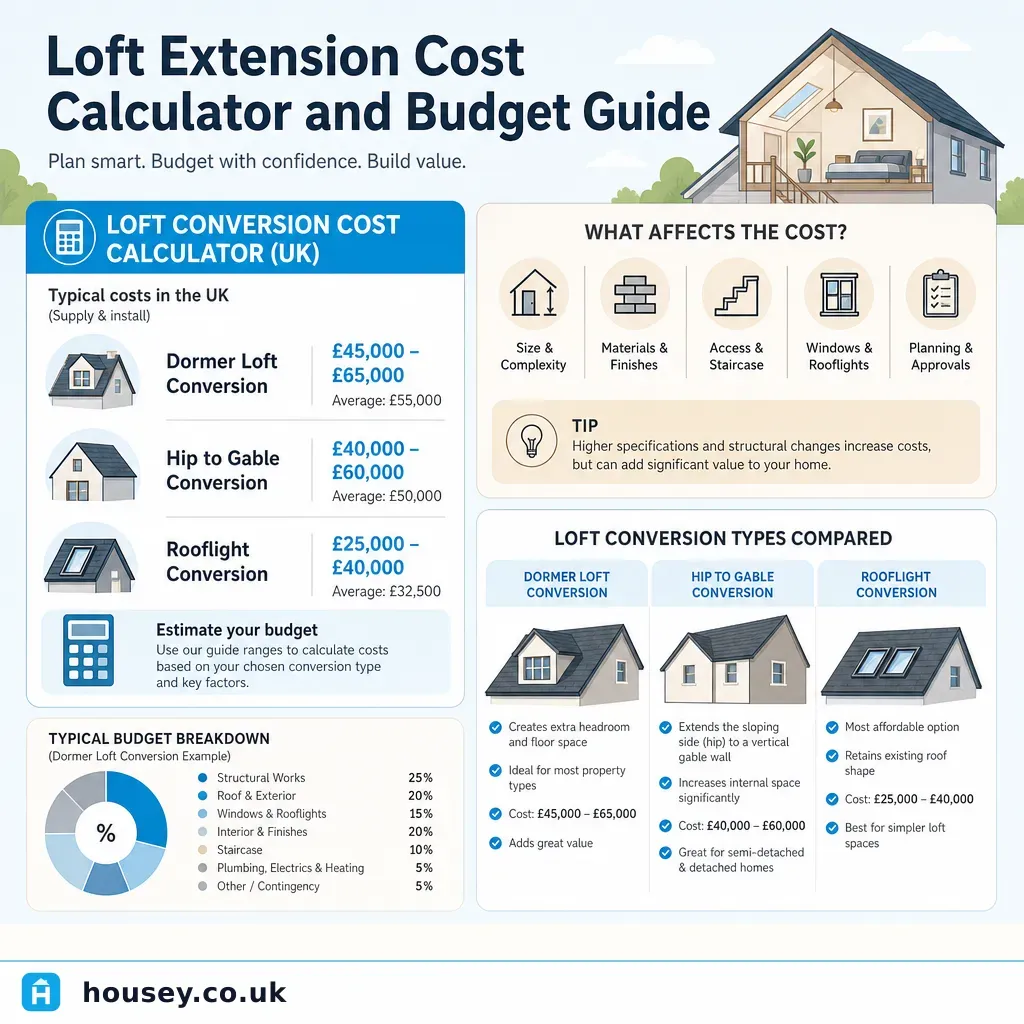
Loft Extension Cost Calculator and Budget Guide
Loft extension costs in the UK typically range from £15,000 for a basic Velux conversion to £75,000 or more for a mansard or L-shaped dormer. Budget should also include architectural drawings, structural engineer fees, building control, party wall costs where applicable, and a 10–15% contingency for unforeseen works.
 Planning & Pre-Build
Bay Window Foundations: Structural Design and Support Requirements
Bay window foundations must transfer the bay's structural load to the ground independently of the main wall. In older UK homes, shallow brick piers on rubble footings often fail on shrinkable clay soils. A structural engineer should specify the foundation type for any new or failing bay, and Building Regulations Part A approval is usually required.