Knowledge Base
Property advice that actually helps
Researched, UK-specific guides for every stage of homeownership — from buying and surveys to retrofit, planning and major works.
 Planning & Pre-Build
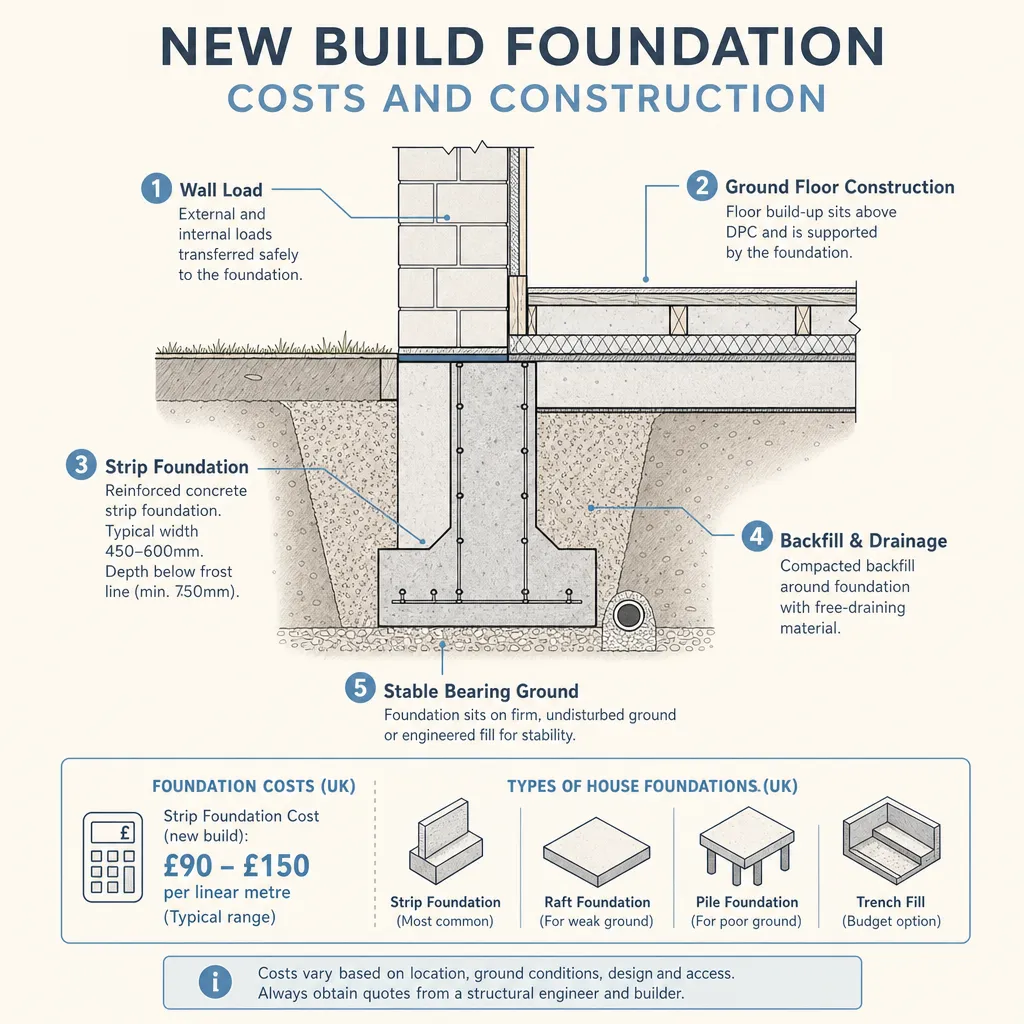
New Build Foundation Costs and Construction
In the UK, new build foundation costs typically range from £5,000 to £30,000 or more, depending on foundation type, site conditions, ground investigation findings, and build size. Strip foundations suit stable ground; raft or pile foundations are needed where ground conditions are poor or structural loads are higher.
 Improvement & Build
Can you paint uPVC windows? What you need to know
Yes, uPVC windows can be painted using a specialist adhesion primer and flexible topcoat — standard emulsion or gloss will not bond reliably to uPVC. Professionally sprayed finishes can last 10–15 years; DIY brush-applied results are shorter-lived but achievable. Dark colours carry a risk of heat-induced warping on older frames, so check frame suitability before specifying a very dark shade.
 Improvement & Build
Finding the Best Keyless Door Locks for Your Home
The right keyless door lock for a UK home depends on your door type, how many people need access, and your insurer's security requirements. Look for Sold Secure Gold or Diamond ratings and confirm BS 3621 compliance with your insurer before buying. A mechanical key backup and adequate battery life are important practical features to verify.
 Energy & Retrofit
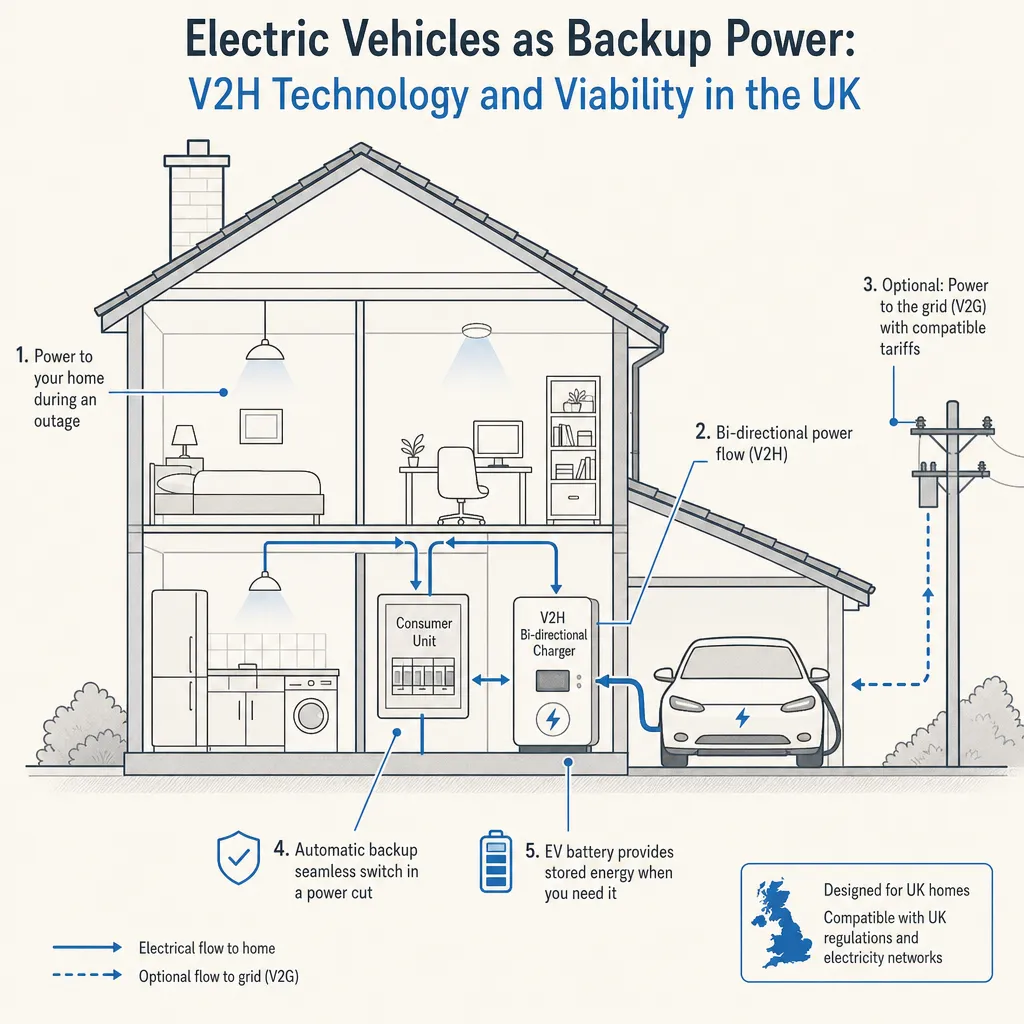
Electric Vehicles as Backup Power: V2H Technology and Viability in the UK
Vehicle-to-Home (V2H) technology uses your electric vehicle's battery to supply electricity to your home, either as backup power during grid outages or to shift cheap overnight charging into daytime use. It requires a bidirectional charger, a compatible EV, and DNO approval under G99 or G100 regulations. UK-compatible vehicles and chargers are limited but expanding rapidly.
 Surveys & Inspections
Structural Building Survey Costs
A RICS Level 3 Building Survey typically costs £500–£1,500 in the UK, depending on property size, age, and location. A structural engineer's defect report costs £300–£800 for a specific concern. Older or more complex properties attract higher fees. Always use a RICS-registered surveyor or a Chartered Member of the Institution of Structural Engineers.
 Planning & Pre-Build
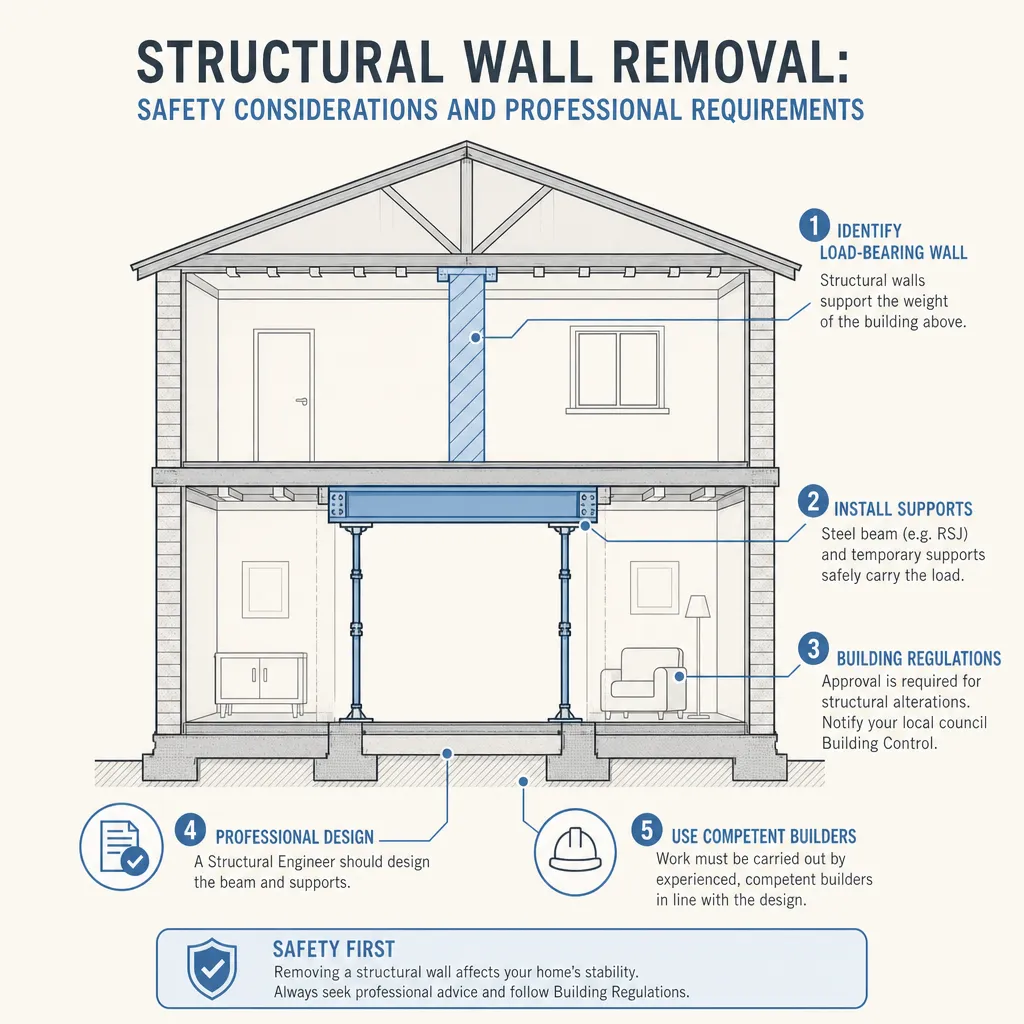
Structural Wall Removal: Safety Considerations and Professional Requirements
Removing a load-bearing wall in the UK always requires Building Regulations approval under Approved Document A, plus a structural engineer's beam calculation before any demolition begins. Building control must inspect and sign off the beam installation before it is concealed. Properties built before 2000 also need an asbestos survey completed before any breaking out starts.
 Surveys & Inspections
Essential Questions for Safe and Thorough Property Inspections
Before commissioning a property survey, confirm what type of inspection suits your property's age and condition, ask the surveyor what defects they will and will not assess, and understand what the report will recommend. At viewings, note visible cracks, damp patches, roof sag, and evidence of alterations — each could indicate a defect requiring a more detailed inspection.
 Surveys & Inspections
Timber Pest Damage Assessment and Repair
Timber pest damage in UK homes is most commonly caused by Common Furniture Beetle (woodworm), Death Watch Beetle, or fungal decay such as dry rot. Assessment by a PCA-accredited damp and timber specialist is the standard first step. Where structural timbers are affected, a structural engineer may also be needed. Treatment guarantees from accredited contractors typically run for 20 to 30 years.
 Buying & Moving
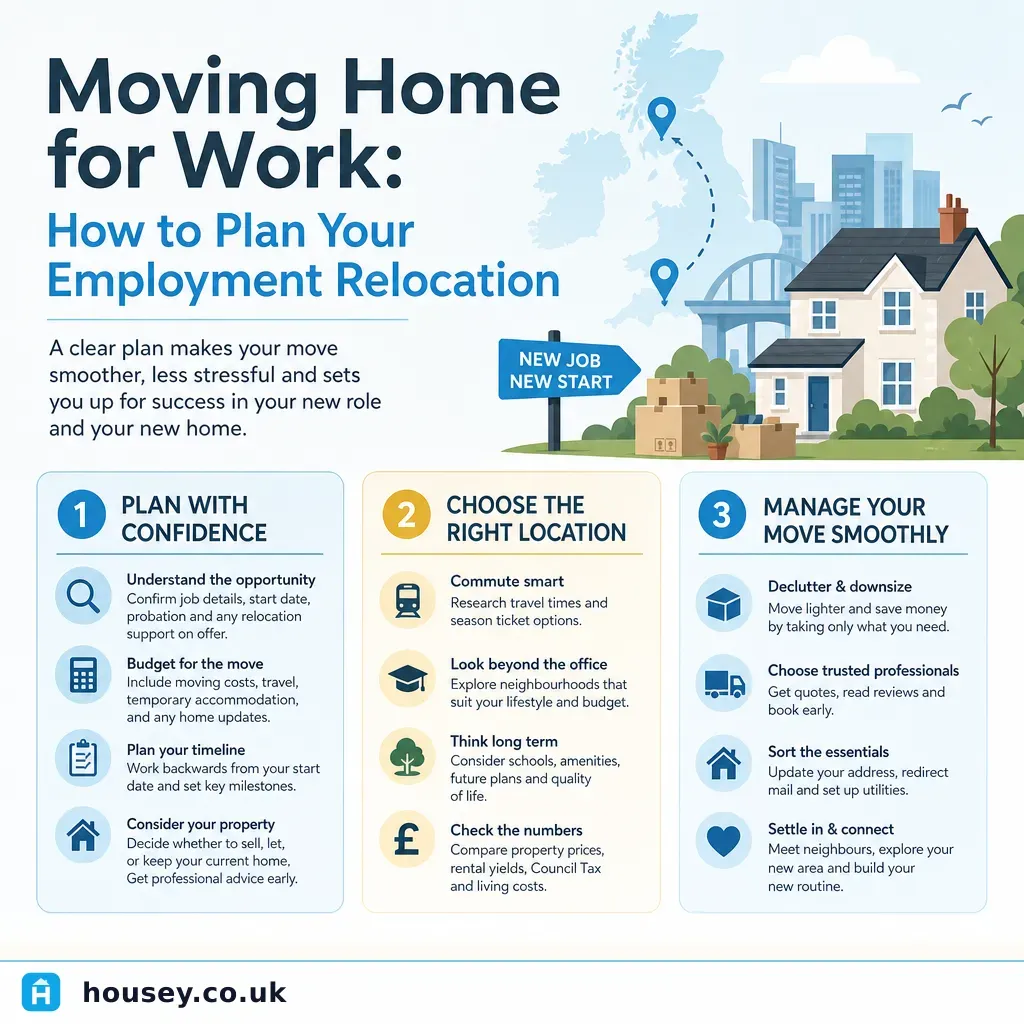
Moving Home for Work: How to Plan Your Employment Relocation
Moving home for a new job requires coordinating property timelines, removal logistics, and employer reimbursement simultaneously. HMRC allows up to £8,000 in qualifying relocation expenses tax-free. Booking removal companies 4–6 weeks ahead, arranging storage if move-in dates do not align, and confirming your employer's reimbursement documentation requirements in writing before instructing any supplier are the three most practical early steps.
 Buying & Moving
How to Plan a Long-Distance Relocation in the UK
A successful long-distance relocation in the UK involves coordinating removals, conveyancing, storage, and area research well in advance. Most moves benefit from instructing a solicitor 8–12 weeks before completion and booking a removal firm 4–6 weeks out. Planning each stage in the right sequence reduces the risk of delays and unexpected costs.
 Improvement & Build
Q2 2025 Home Improvement Trends: Market Data and Consumer Priorities
In Q2 2025, kitchen refurbishments and bathroom renovations led UK consumer home improvement demand, followed by single-storey extensions and garden offices. Building materials price inflation eased from its 2022–2023 peak, but labour shortages in key trades kept costs elevated. Established contractors were typically booked 8–16 weeks ahead, making early planning essential for spring and summer project starts.
 Improvement & Build
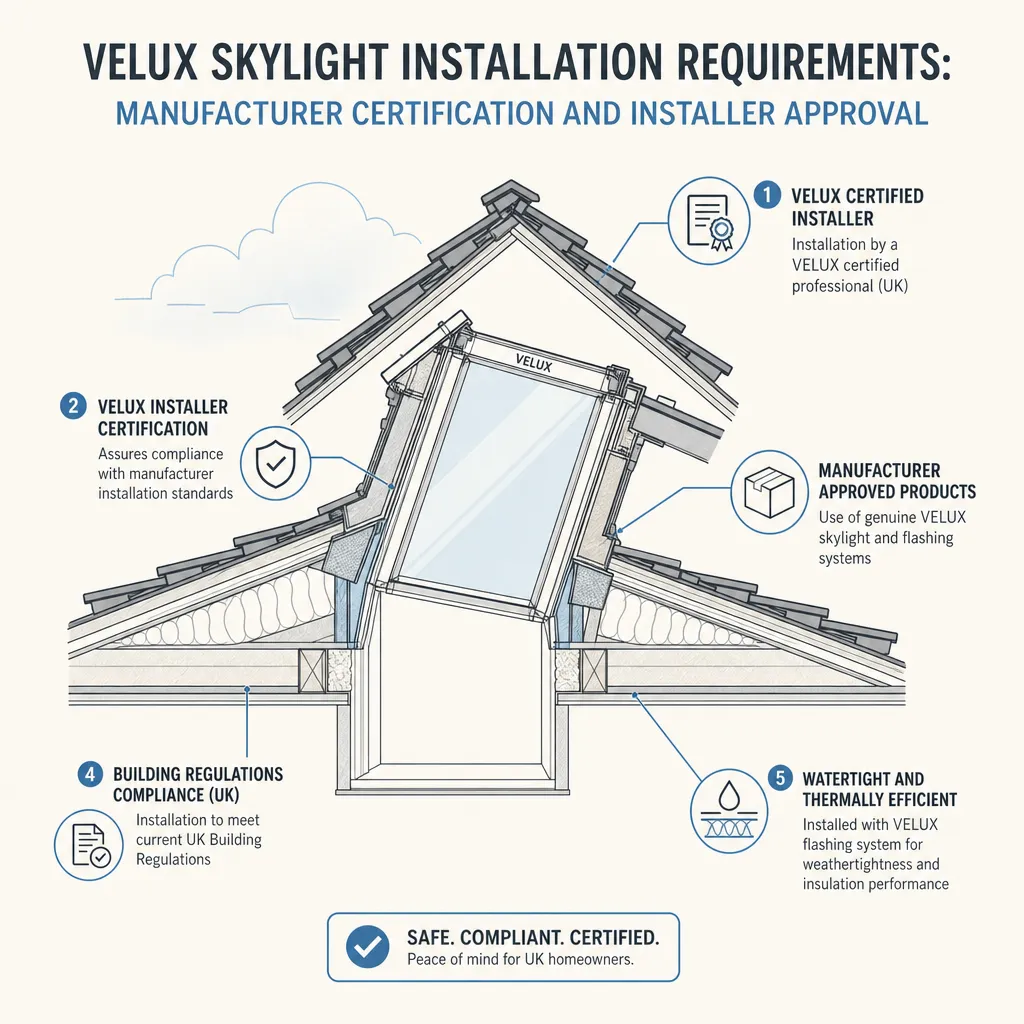
Velux Skylight Installation Requirements: Manufacturer Certification and Installer Approval
Velux recommends using their registered installer network to protect warranty coverage and ensure compliance with building regulations. While any competent roofer or window installer may legally fit a Velux product, using an approved installer typically provides a 10-year installation guarantee and ensures Part L thermal performance requirements are met.