Knowledge Base
Property advice that actually helps
Researched, UK-specific guides for every stage of homeownership — from buying and surveys to retrofit, planning and major works.
 Buying & Moving
Moving to a Larger Property: Planning and Process
Moving to a larger property means coordinating two legal transactions simultaneously — selling your current home and buying a new one. You will need a conveyancer for both sides, a mortgage agreement in principle before making an offer, and a budget for Stamp Duty Land Tax, estate agent fees, and legal costs. Allow 12–20 weeks for a typical chain transaction in England.
 Improvement & Build
Troubleshooting a Garage Door That Won't Open: Diagnosis and Solutions
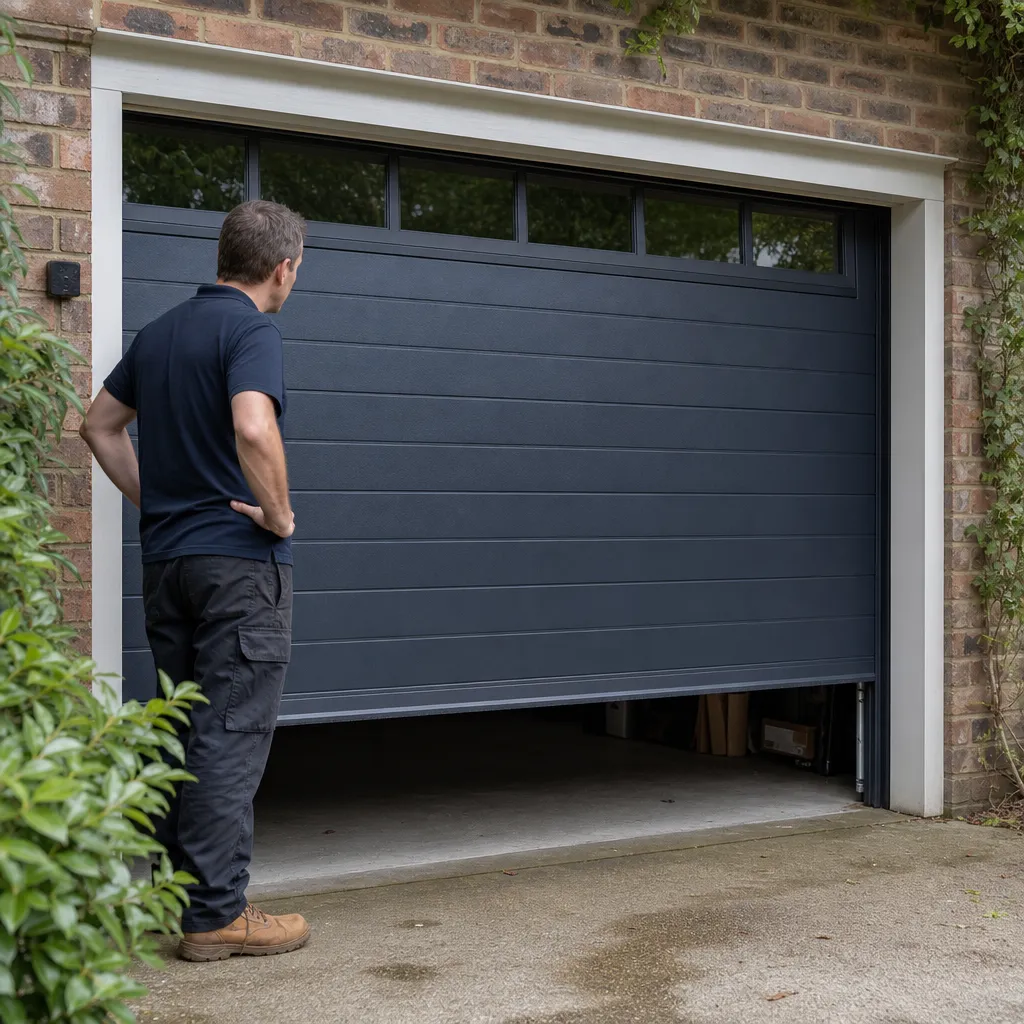
Most garage door failures trace to a dead remote battery, loss of mains power, a broken torsion spring, or a tripped motor. Start by checking the remote battery and mains power, then test the manual release cord. If the door remains stuck after these checks, a broken spring or motor fault is likely and requires a qualified technician.
 Improvement & Build
Shiplap vs Plasterboard: Selecting Interior Wall Finishes
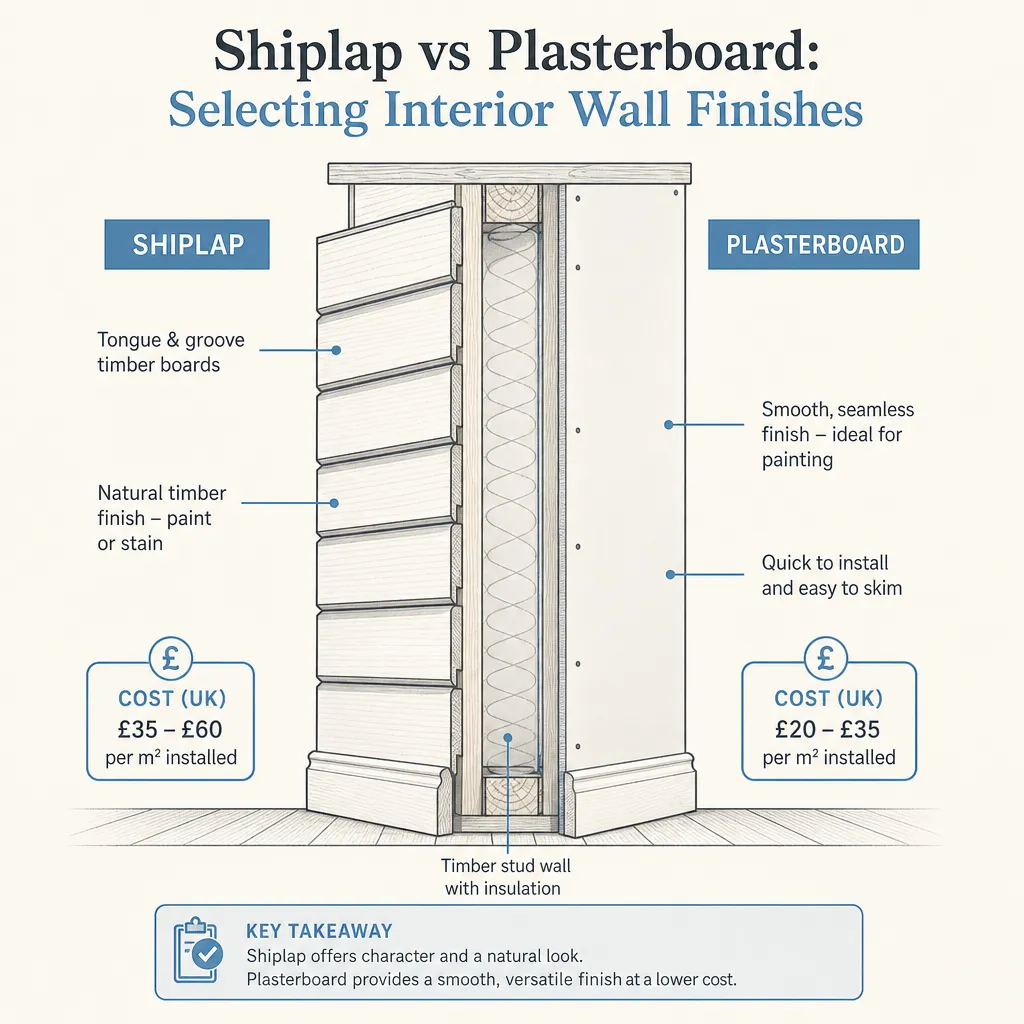
Plasterboard is the standard interior wall finish for most UK homes and extensions, offering a smooth, paintable surface at lower cost. Shiplap cladding suits decorative feature walls, utility rooms, or rustic aesthetic projects. The right choice depends on your budget, the room's purpose, moisture levels, and the look you want to achieve.
 Improvement & Build
Bamboo and Tree Removal from Residential Gardens
Tree removal in UK gardens may need local authority approval if the tree has a Tree Preservation Order or sits in a conservation area. Invasive bamboo requires specialist removal to prevent regrowth. Always check TPO status before cutting, use a qualified tree surgeon with NPTC certification, and plan for multiple treatment seasons when eradicating established bamboo clumps.
 Surveys & Inspections
CCTV Drain Survey Pricing and What to Expect
A CCTV drain survey typically costs £150–£400 for a standard residential property in the UK, depending on drain length and property size. A camera is fed through the drain via a manhole to identify blockages, cracks, root ingress, or displaced joints. The surveyor produces a video report with WRc condition codes and repair recommendations.
 Energy & Retrofit
Insulating Original Plaster Walls: Methods and Considerations
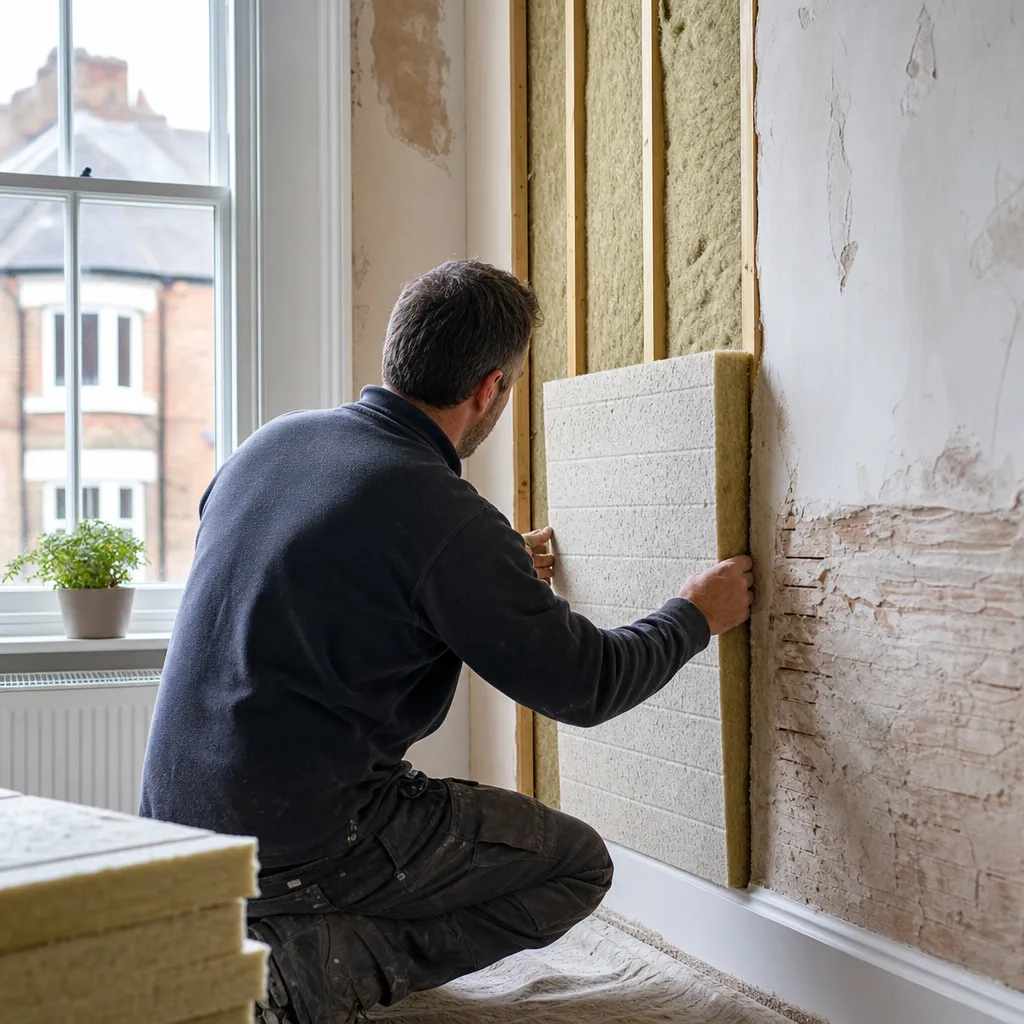
Original plaster walls — particularly lime-based finishes in pre-1919 homes — require breathable insulation systems to avoid trapping moisture. Options include internal wall insulation using breathable boards, external wall insulation, and slim-line aerogel renders. The right approach depends on wall construction, moisture behaviour, and heritage status. A PAS 2035-accredited Retrofit Assessor should assess the property before work is commissioned.
 Improvement & Build
Vetting a Contractor: Essential Questions Before Committing
Vet a contractor by checking their full business name on Companies House, requesting current insurance certificates, verifying trade body membership directly with the association, and speaking to references from comparable recent jobs. Always get at least three written, itemised quotes on an identical specification, confirm who is responsible for planning permission and building control, and agree a written contract before any work begins.
 General property advice
Post-Lockdown Migration: Understanding Buyer Movement Out of Urban Areas
The COVID-19 lockdowns triggered a significant shift in UK buyer priorities, with many households trading city flats for more space in commuter towns, market towns, and rural areas. This demand surge pushed prices higher in many coastal and countryside locations. As hybrid working has normalised, some but not all of this movement has persisted — buyer motivation is now mixed and location-specific.
 Energy & Retrofit
Plastering Timeline After Damp Proofing Installation: Process Sequencing
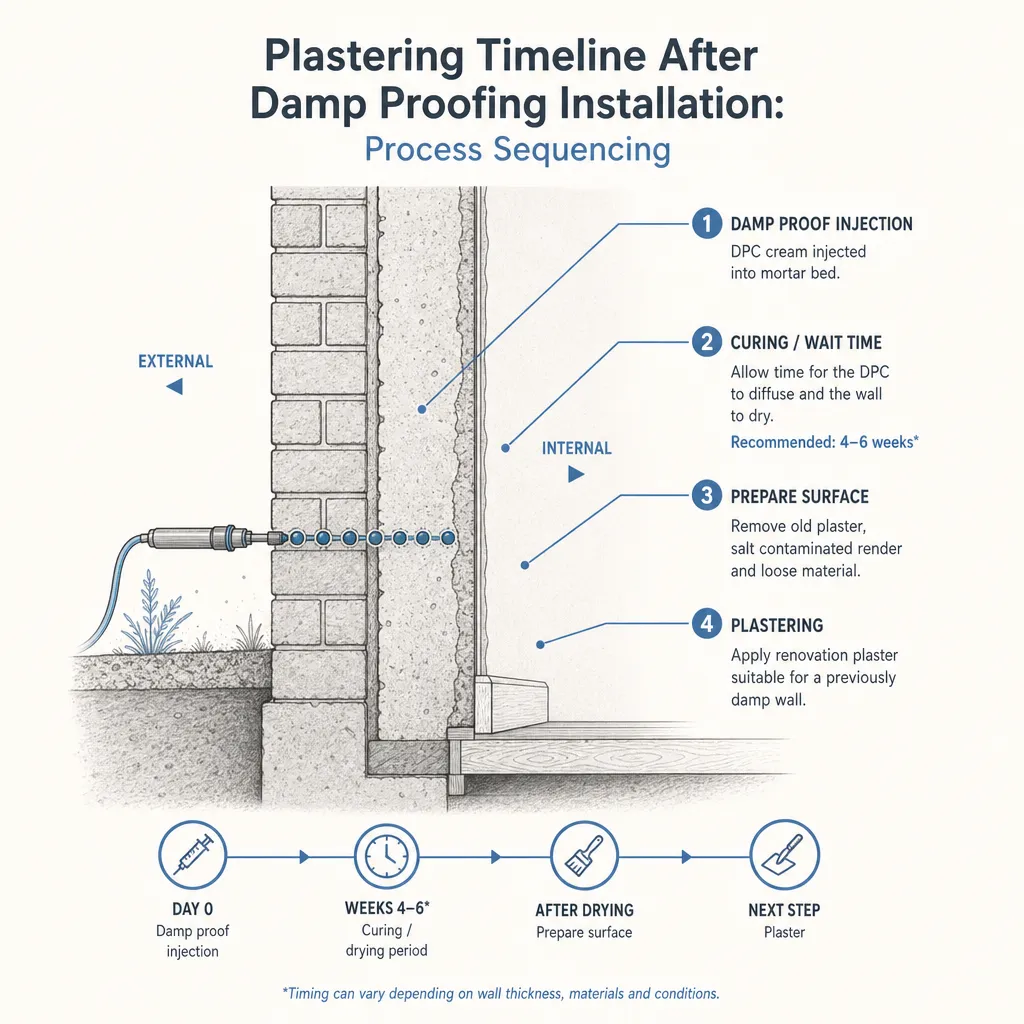
After chemical DPC injection for rising damp, wait 6–12 months before applying standard plaster. Specialist salt-retardant renovation plasters can often be applied after 4–6 weeks. Tanking systems cure within 24–72 hours before a finish coat can follow. Always follow the specific manufacturer's datasheet for the products used and confirm the waiting period in writing with your contractor.
 Improvement & Build
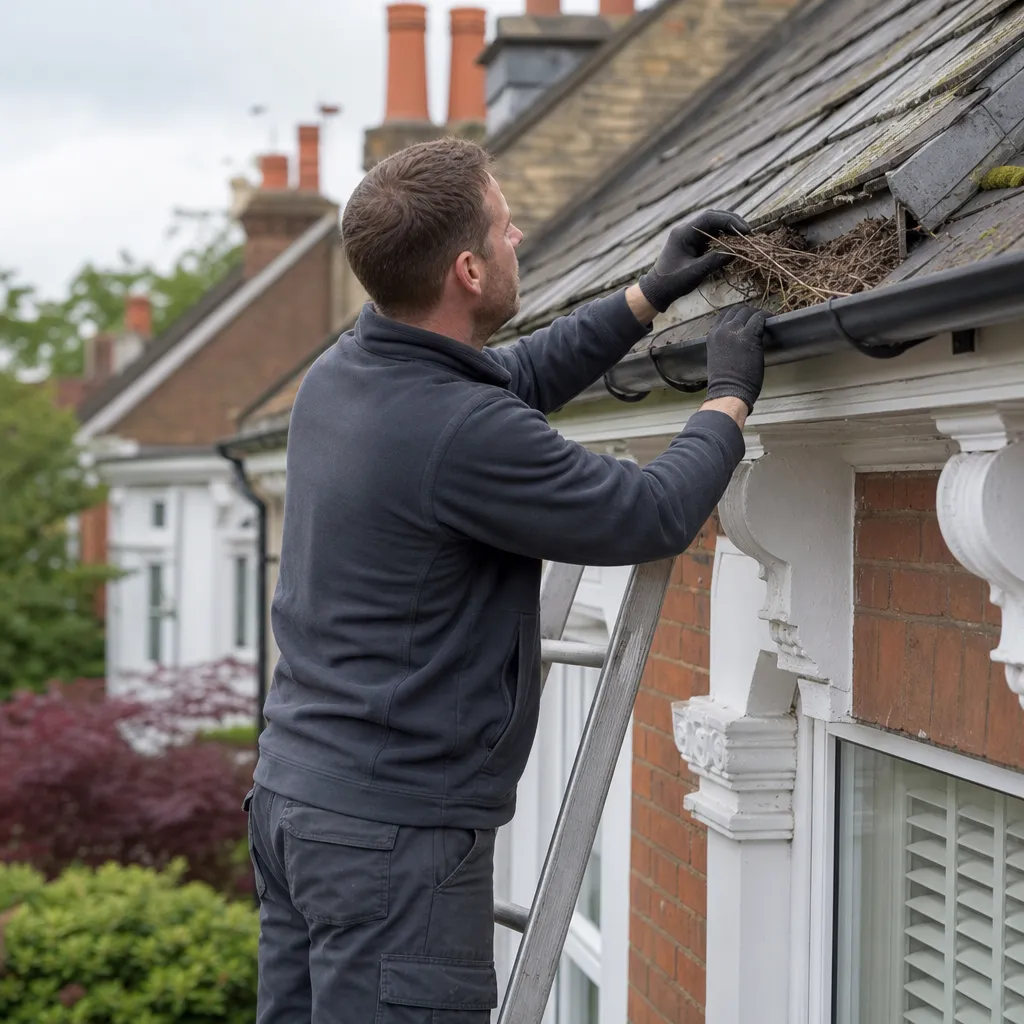
Removing Bird Nests Safely: Professional and Humane Approaches
In the UK, removing a bird nest while it is in use or being built is a criminal offence under Section 1 of the Wildlife and Countryside Act 1981. Nests can only be removed without a licence when completely abandoned and the breeding season has ended, typically between October and January for most common species.
 Energy & Retrofit
How Energy Audits Can Lower Your Heating and Running Costs
A home energy audit is a detailed inspection of your property's insulation, heating system, glazing, and ventilation to identify where energy is lost and recommend improvements. Carried out by a qualified assessor, it produces a prioritised action list. UK audits typically cost £150–£500 and can highlight upgrades that reduce heating bills by 20–40%.
 Planning & Pre-Build
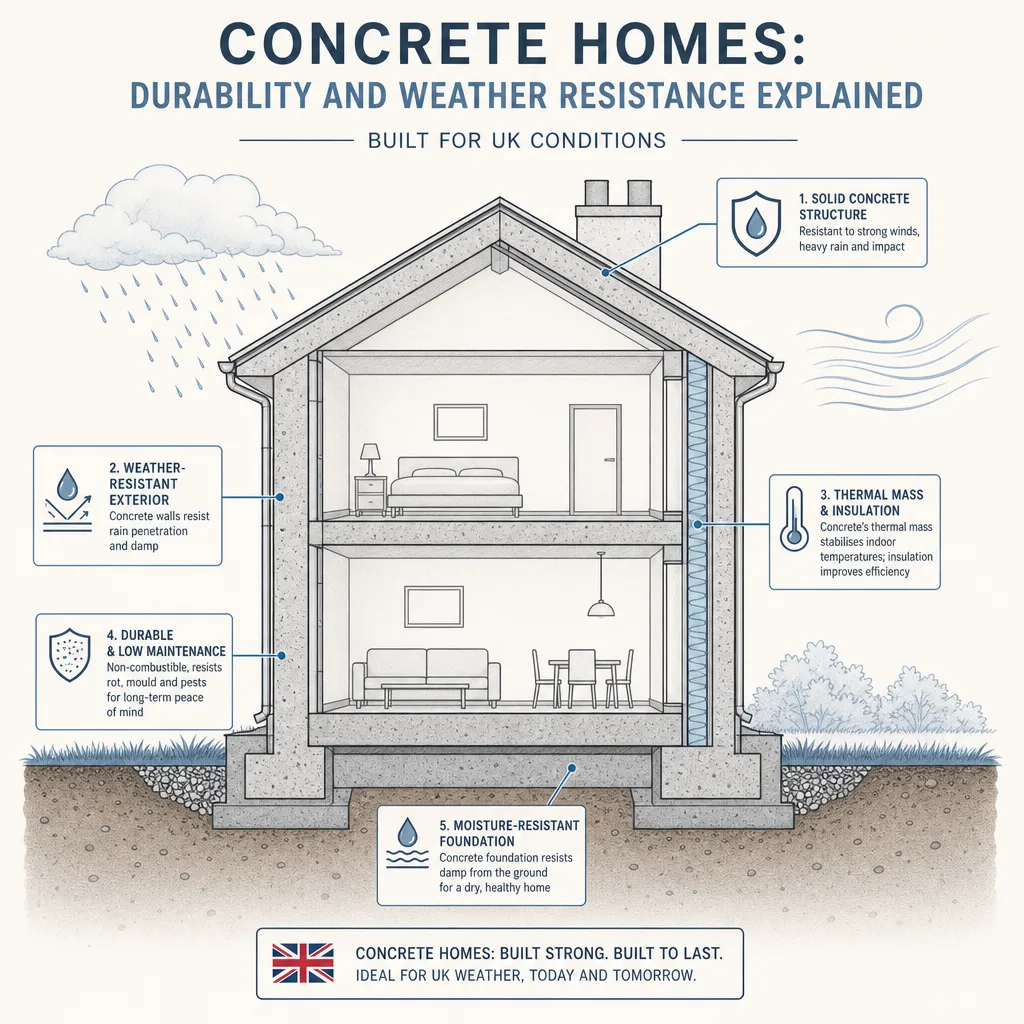
Concrete Homes: Durability and Weather Resistance Explained
Concrete homes can be highly durable and weather-resistant when correctly specified and built. Modern insulated concrete formwork (ICF) construction typically achieves a design life of 100 years or more. Older non-traditional PRC homes may face carbonation and reinforcement corrosion, and are classified as non-standard construction by most UK mortgage lenders, affecting saleability.