Knowledge Base
Property advice that actually helps
Researched, UK-specific guides for every stage of homeownership — from buying and surveys to retrofit, planning and major works.
 Improvement & Build
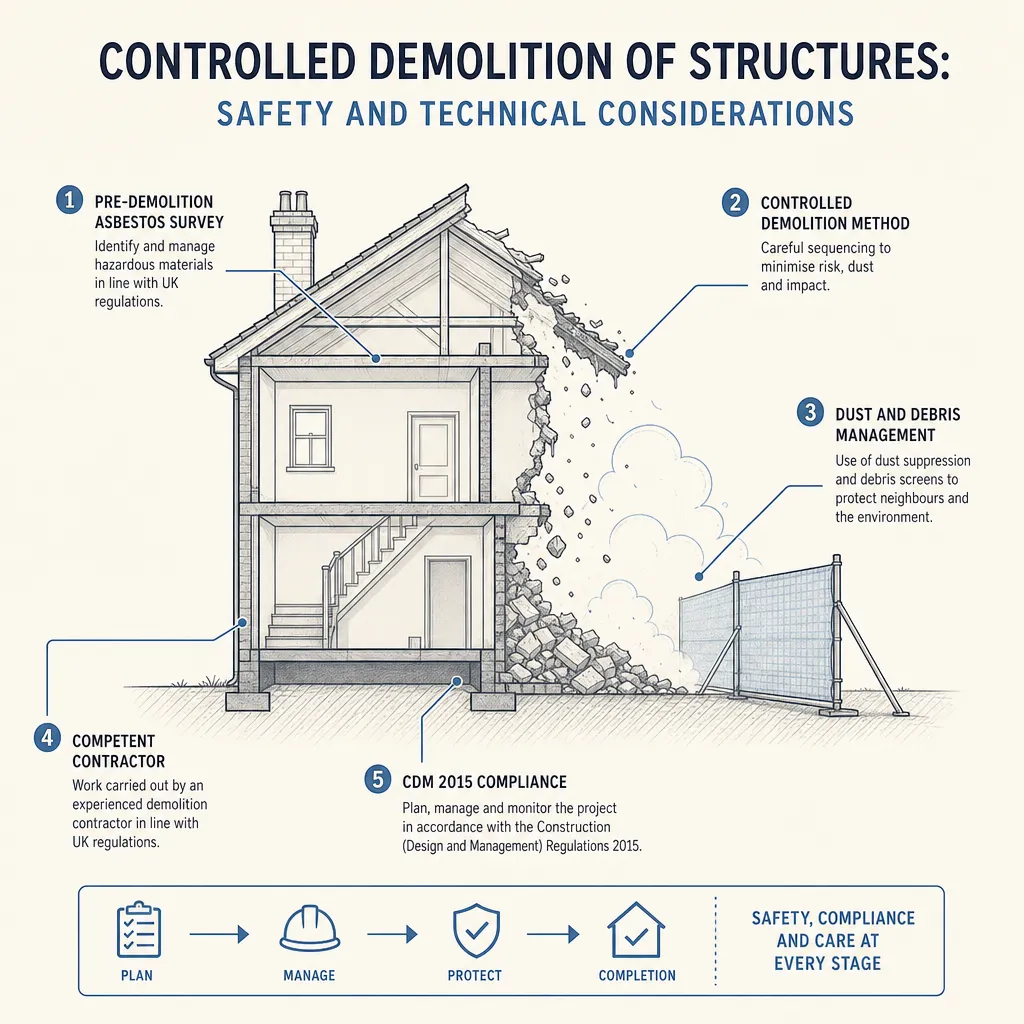
Controlled Demolition of Structures: Safety and Technical Considerations
Controlled demolition in the UK covers any planned, engineered removal of a structure, governed by CDM 2015 and HSE requirements. Most residential demolitions need prior approval from the local planning authority, a mandatory asbestos R&D survey before fabric is disturbed, and work carried out by a licensed contractor. Explosive demolition is reserved for large industrial structures and requires an HSE Explosives Licence.
 Improvement & Build
Building a Chicken Coop: Design, Materials, and Installation
A domestic chicken coop is usually permitted development in England and does not need planning permission, provided it meets height and coverage limits. Allow at least 0.25m² of floor space per bird, use 19mm galvanised weld mesh for the run, choose pressure-treated timber for durability, and prioritise ventilation over insulation to keep hens healthy year-round.
 Improvement & Build
Lawn Removal and Garden Reconfiguration: Options and Costs
Lawn removal in the UK typically costs £400–£900 for a standard suburban garden, depending on method and skip hire. Full garden reconfiguration — including drainage, paving, and planting — usually costs £3,000–£10,000 or more. A landscaper suits most projects; a groundworker is needed where drainage or significant earthmoving is involved.
 Surveys & Inspections
Understanding replacement cycles for household systems and building components
Major household systems have predictable lifespans: condensing boilers typically 10–15 years, flat roofs 20–25 years, UPVC windows 20–25 years, and modern PVC wiring 25–35 years. Planning replacements before failure — informed by a condition survey — helps UK homeowners avoid emergency costs and negotiate more effectively at the point of purchase.
 Improvement & Build
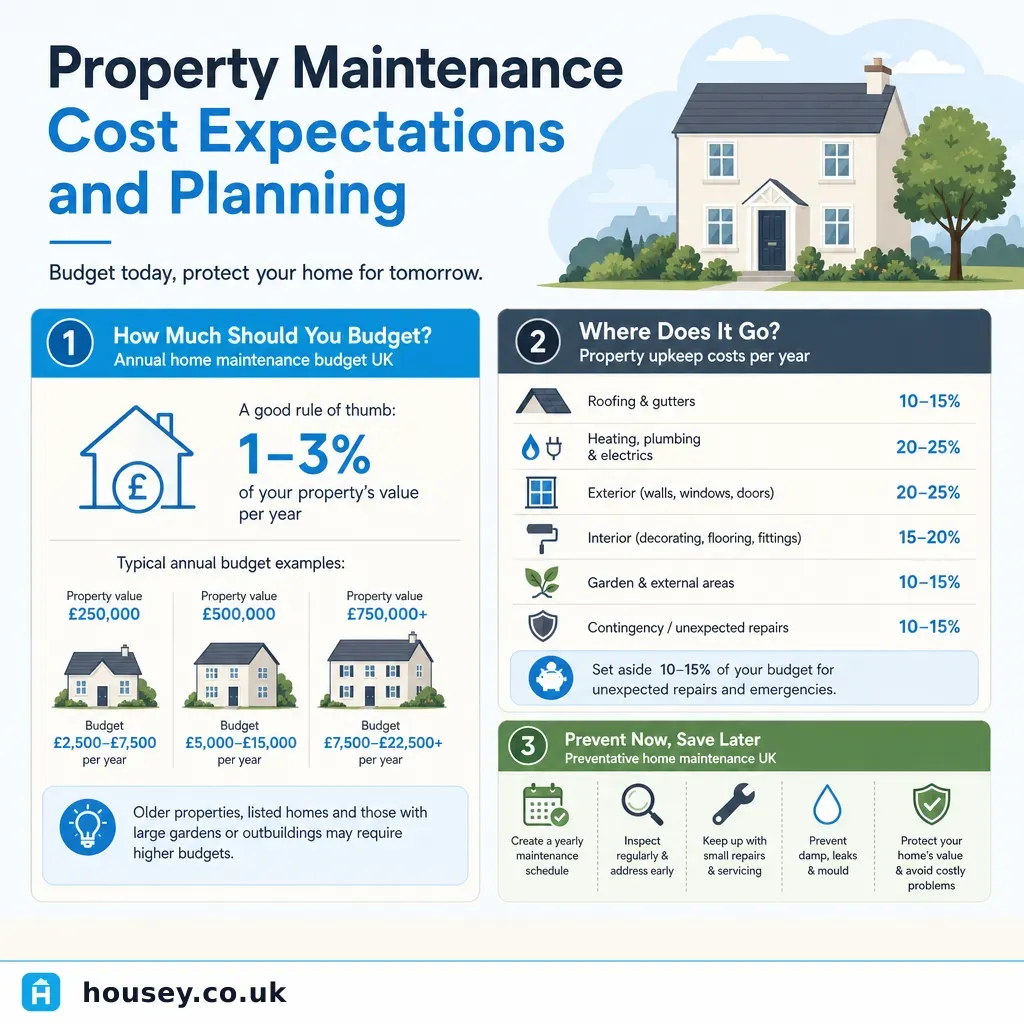
Property Maintenance Cost Expectations and Planning
UK homeowners typically budget between 1% and 3% of their property's value annually for maintenance and repairs. A £300,000 home may need £3,000–£9,000 set aside each year. Older properties, particularly Victorian and Edwardian stock, tend to sit at the higher end. Planning ahead for major items like roofing, windows, and heating systems prevents costly emergency call-outs.
 Buying & Moving
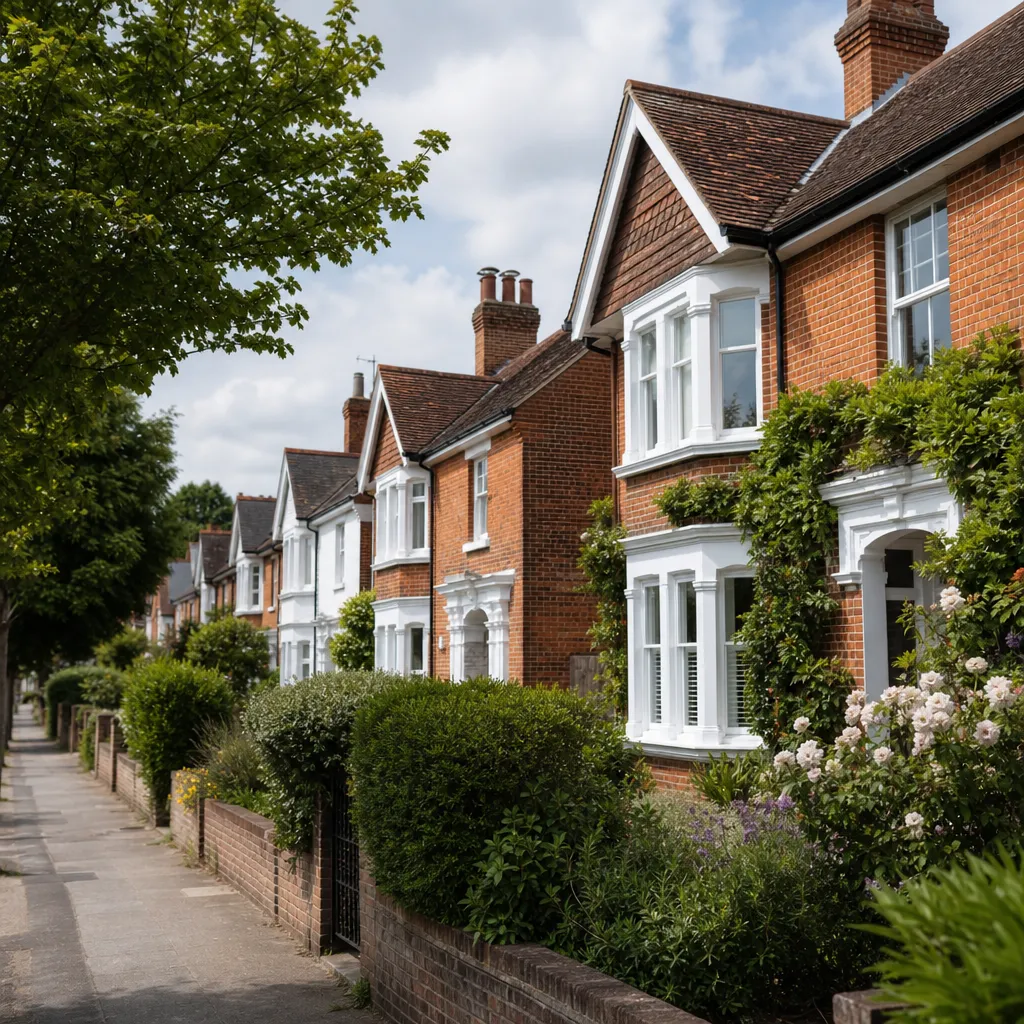
Properties and Relocation Guide for the Home Counties Region
The Home Counties — Surrey, Hertfordshire, Kent, Essex, Berkshire, Buckinghamshire, and East and West Sussex — offer a wide range of property types, with rail connections to London typically taking 20–60 minutes. Prices vary substantially by county and town, so defining your budget, commute tolerance, and school priorities before you start searching will narrow the options considerably.
 Surveys & Inspections
Identifying and managing asbestos roof tiles
If your roof was installed before 2000, asbestos cement tiles may be present. Visual identification is unreliable — a UKAS-accredited surveyor must take a sample for laboratory analysis. Intact, undisturbed tiles carry a lower risk and may be managed in situ; damaged or crumbling tiles require professional assessment and usually controlled removal by a competent contractor.
 Improvement & Build
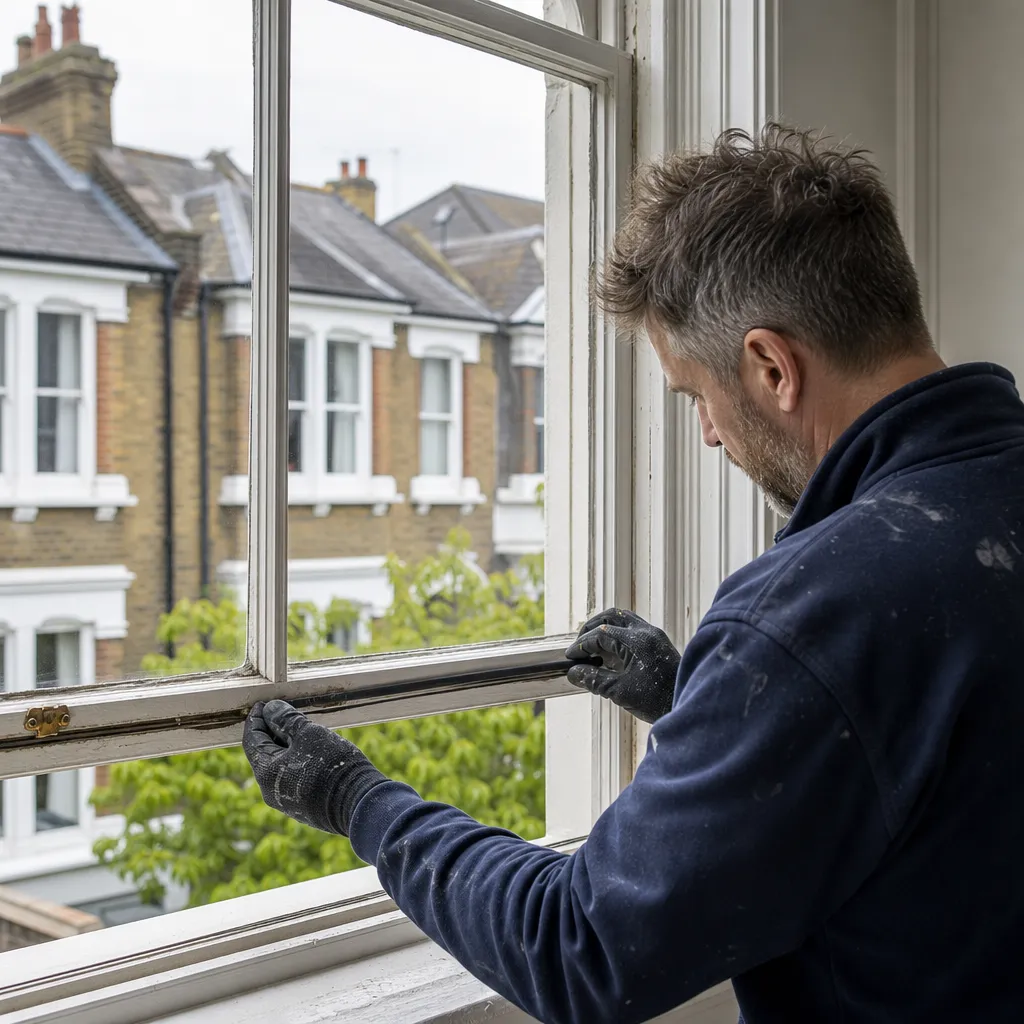
Restoring Window Seals: When Repair Is Possible and When Replacement Is Needed
Window seal failure takes two main forms: the hermetic seal of the insulated glass unit (IGU), which causes misting between panes and cannot be fixed without replacing the glass, and the perimeter draught seal, which can usually be replaced without disturbing the glazing. Which problem you have determines whether you need a glazier or a full window replacement.
 Planning & Pre-Build
Water Well Pump Replacement: Costs and Installation
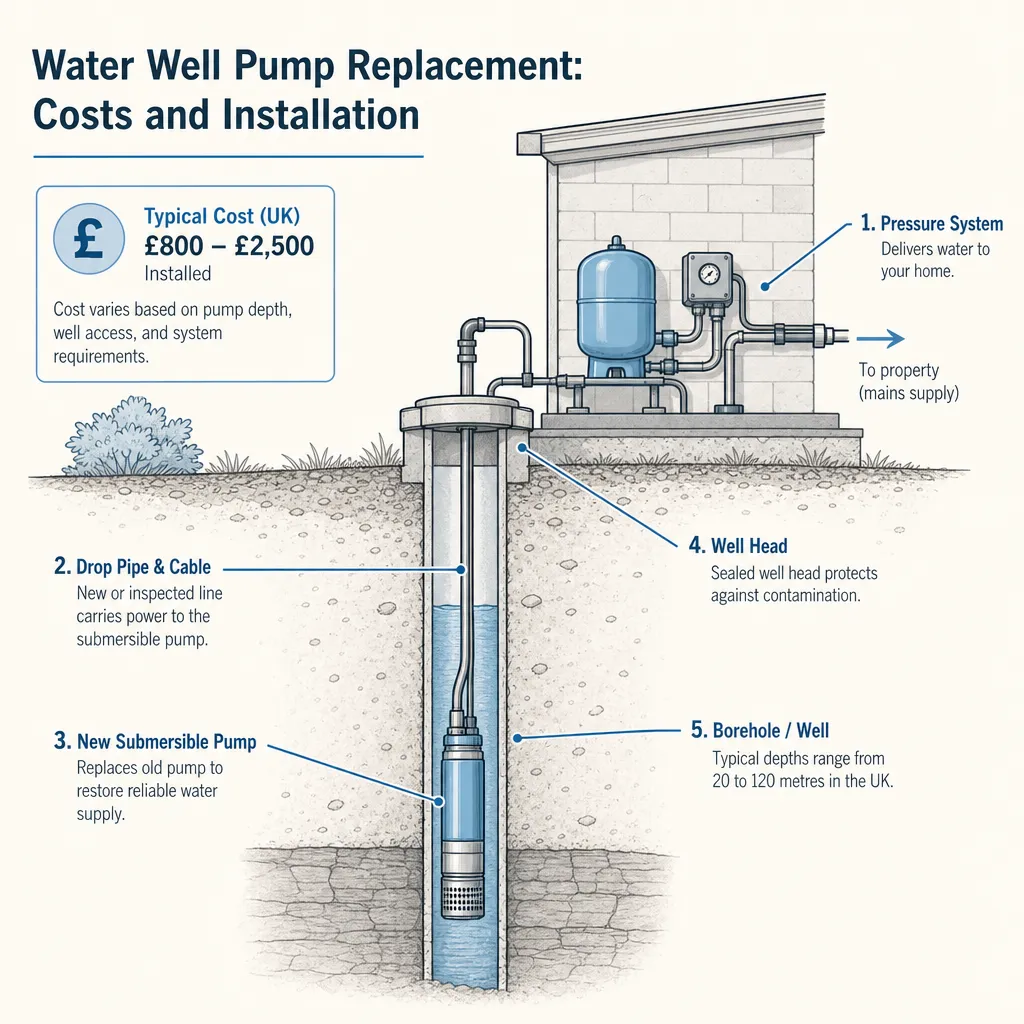
Private water supplies in rural UK rely on well or borehole pumps that typically last 10–15 years. Replacement involves extracting the existing submersible unit, fitting a new pump sized for your depth and flow requirement, then testing water quality afterwards. Expect to pay £800–£3,500 for a typical residential installation; always use a British Drilling Association-registered contractor.
 Improvement & Build
Garden Rooms: Expanding Living Space with Outdoor Structures
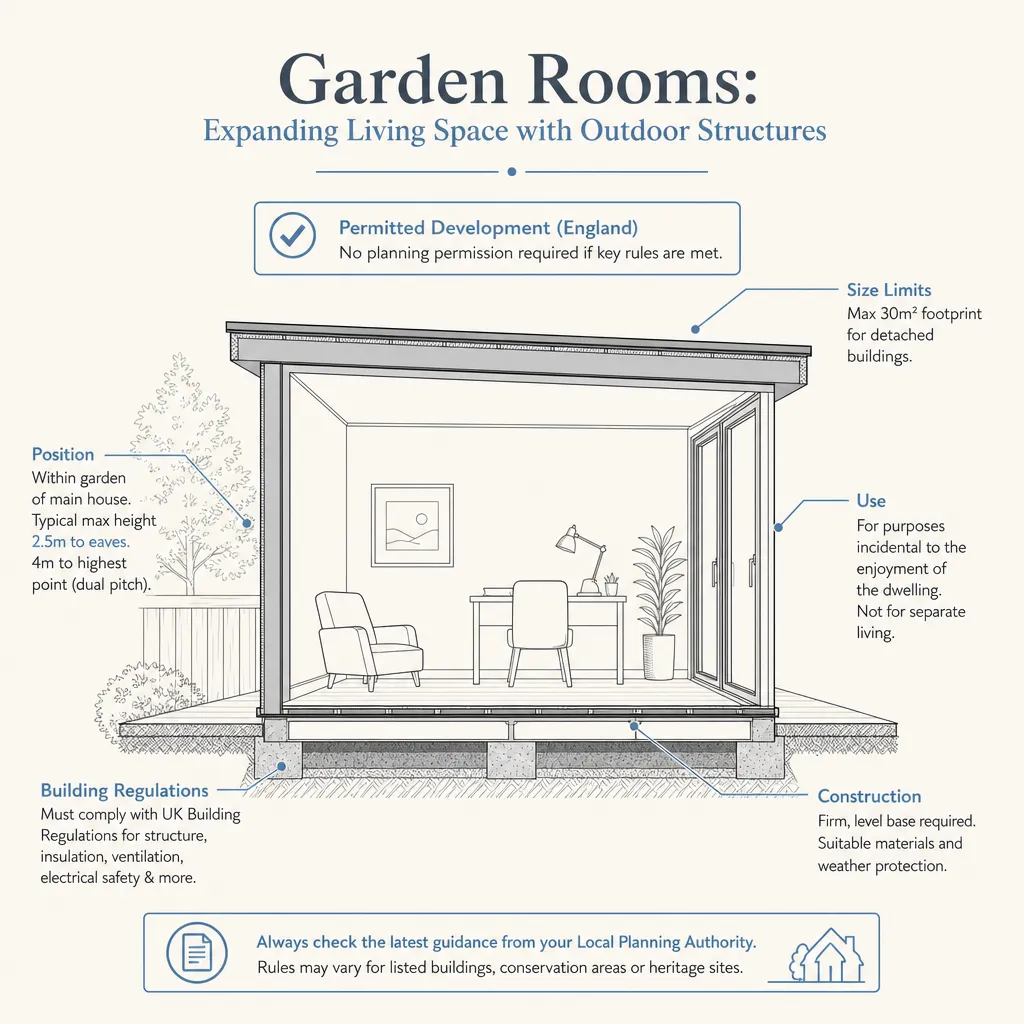
Most garden rooms in England qualify as permitted development and do not need planning permission, provided they meet conditions on height, footprint, boundary distances, and position relative to the house. Restrictions apply in conservation areas, on listed building land, and for larger structures. Building regulations rarely apply to garden rooms used as incidental outbuildings, but electrical installations may require Part P notification regardless of floor area.
 Improvement & Build
Finding a Good Tradesperson: Selection and Vetting Guide
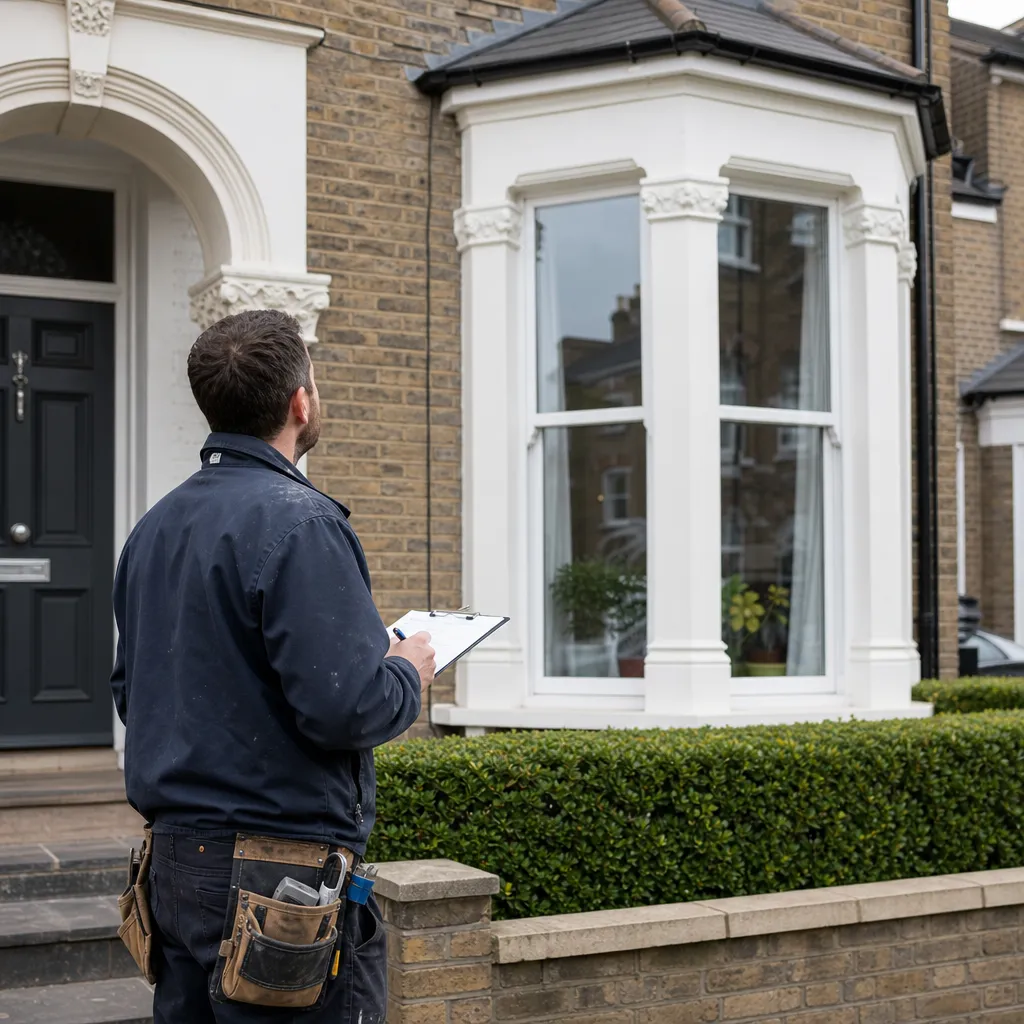
To find a good tradesperson, check mandatory registrations first: Gas Safe for gas work, NICEIC or NAPIT for electrical, FENSA for window and door installations. For unregulated trades, use TrustMark or NFRC and take up references. Get at least three written quotes, confirm public liability insurance, and agree scope, price, and payment milestones in writing before work begins.
 Improvement & Build
Protecting Your Property from Damp and Water Ingress
Damp in UK homes usually falls into three categories: rising damp (groundwater drawn up through walls), penetrating damp (rain or groundwater entering through the building envelope), and condensation (moisture from warm internal air meeting a cold surface). Each has different causes and remedies. Correct diagnosis by a qualified surveyor is essential — misidentifying the type frequently leads to costly and ineffective treatment.