Knowledge Base
Property advice that actually helps
Researched, UK-specific guides for every stage of homeownership — from buying and surveys to retrofit, planning and major works.
 Surveys & Inspections
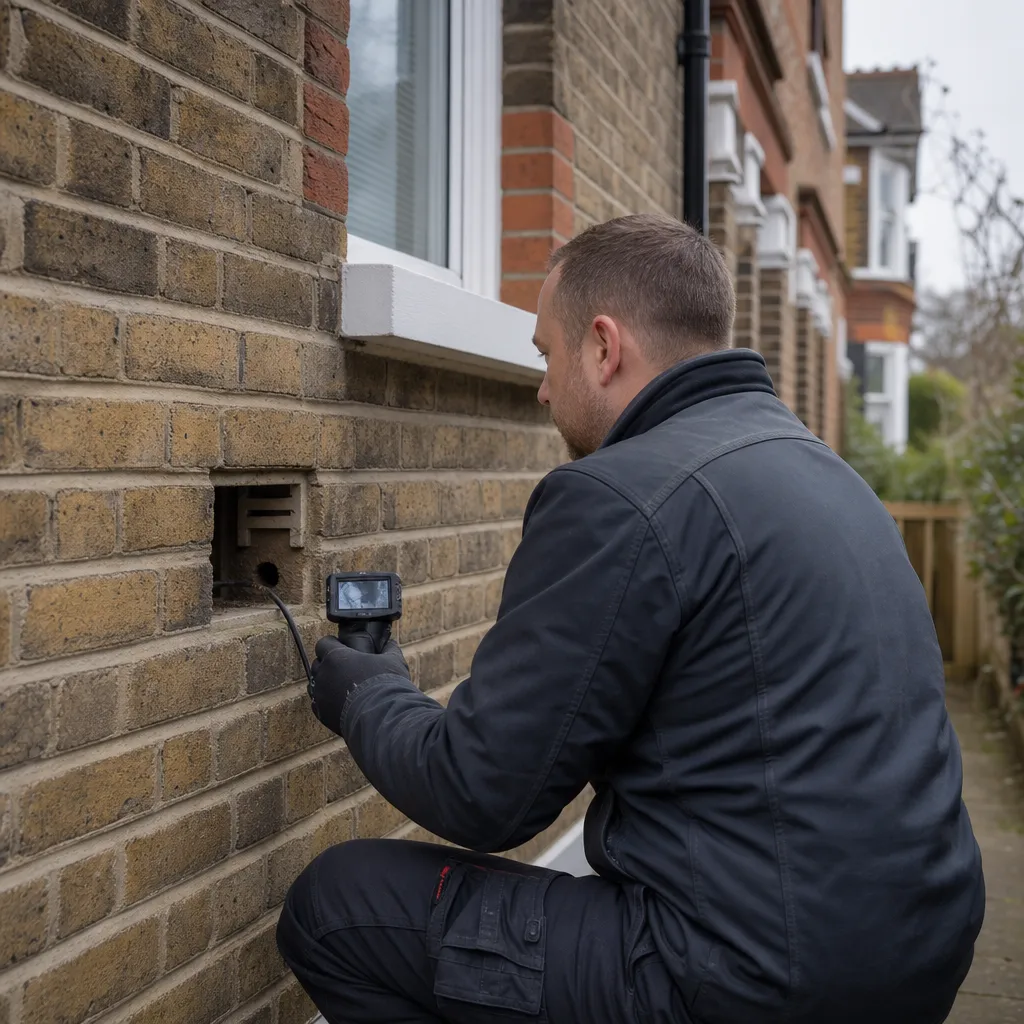
Removing Mice from Cavity Walls: Identification and Solutions
Mice in cavity walls are identified by light scratching sounds at night, small droppings near skirting boards, and gnawed materials. Removal requires sealing entry points, placing bait at accessible locations, and checking for insulation damage. Professional pest controllers are usually more effective than DIY for cavity wall infestations, which are difficult to access and treat thoroughly.
 Improvement & Build
Replacing Double Glazing Seals: Gasket and Spacer Bar Renewal
Double glazing seals fail in two distinct ways: worn perimeter gaskets (which may be replaceable in situ) or failed internal spacer bar seals (which require the entire sealed unit to be replaced). Misting between panes indicates spacer bar failure; draughts at the frame edge suggest a worn gasket. A FENSA-registered installer can assess which repair applies.
 Improvement & Build
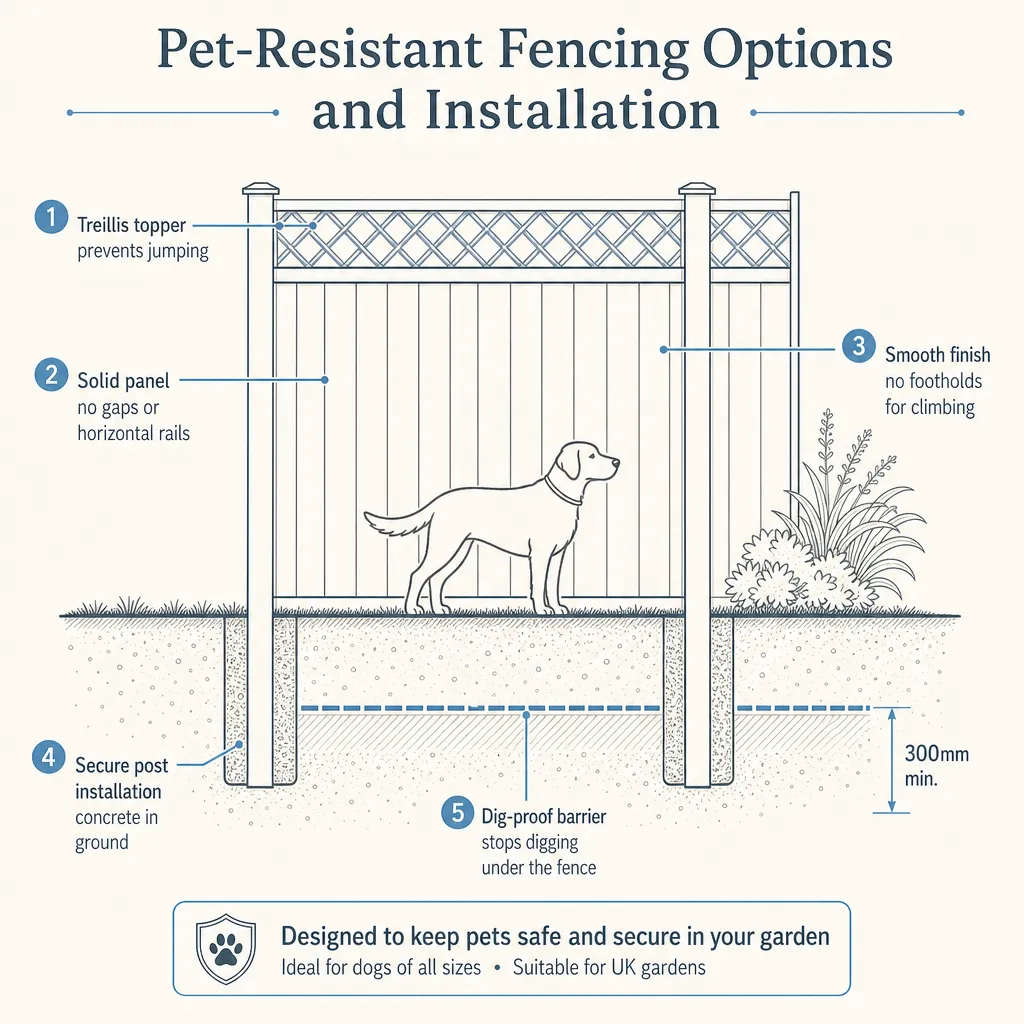
Pet-Resistant Fencing Options and Installation
Pet-resistant fencing in the UK typically needs to be at least 1.8 m tall for large breeds, with no gaps at the base and no horizontal rails that pets can climb. Closeboard, chain link with a concrete gravel board, and weld-mesh panels with buried aprons are the most practical options for dogs; anti-climb topping strips help deter cats.
 Energy & Retrofit
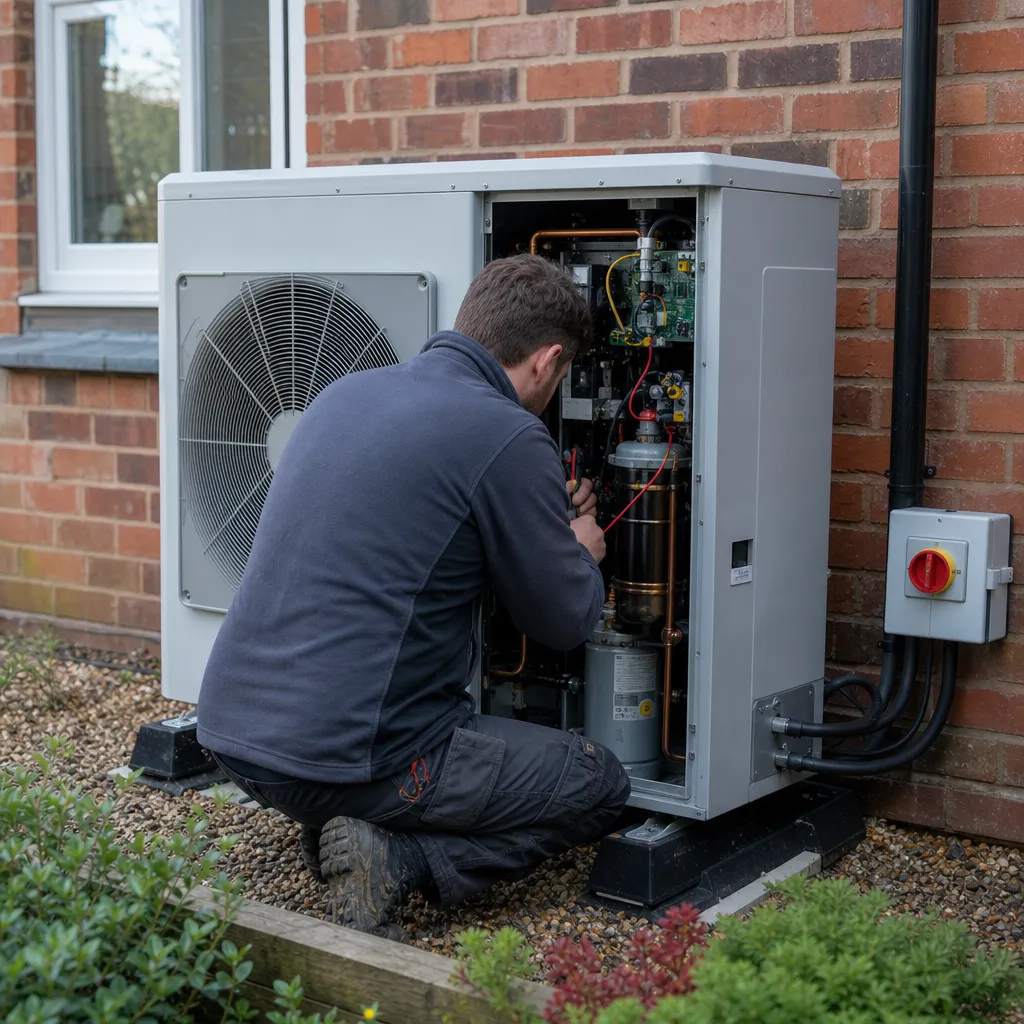
Air Source Heat Pump Repairs: When to Call an Electrician or Plumber
For refrigerant faults such as low pressure or icing, call an F-Gas certified engineer — handling refrigerants is a legal requirement. For electrical or controls faults, a Part P electrician or MCS-certified installer is appropriate. For hydraulic issues such as poor heat distribution, an experienced plumber may help. For most faults, an MCS-certified heat pump engineer covers all three areas and protects your warranty.
 Improvement & Build
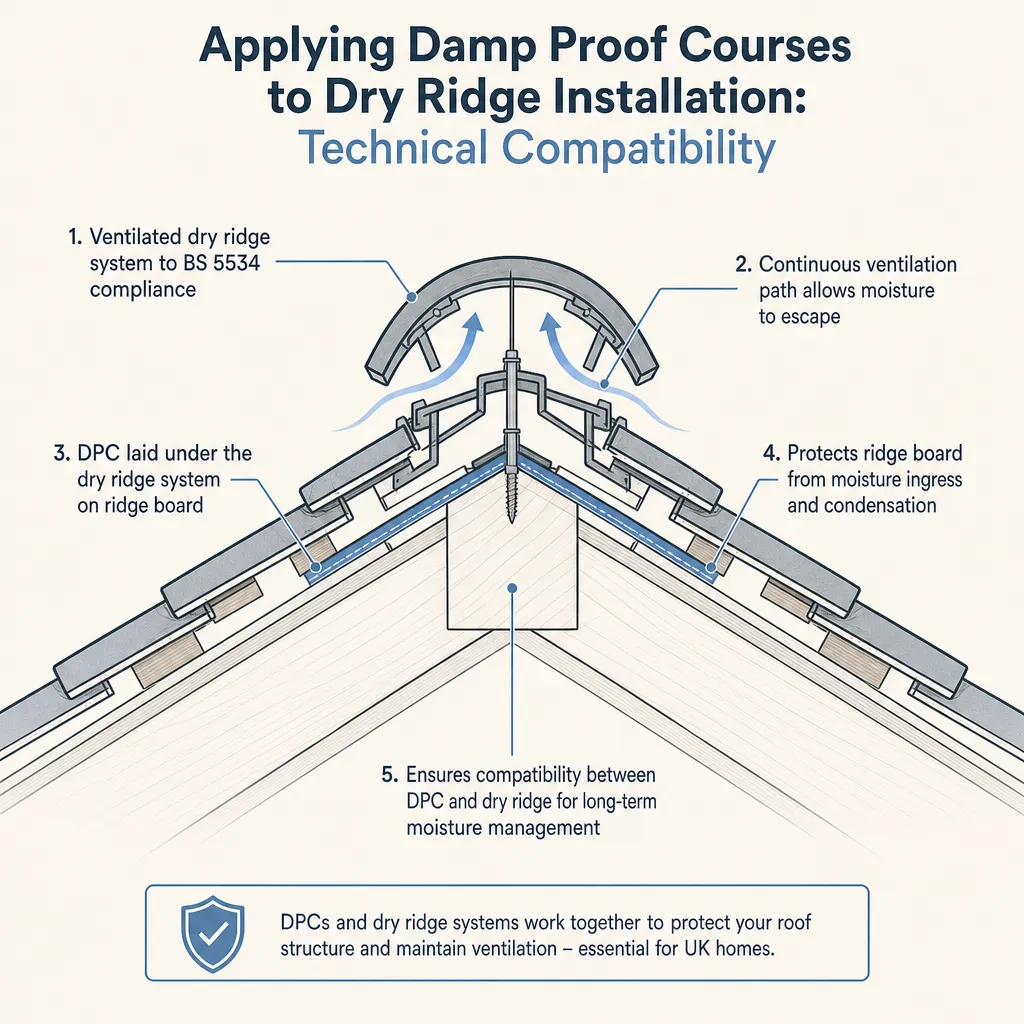
Applying Damp Proof Courses to Dry Ridge Installation: Technical Compatibility
A damp proof course beneath dry ridge components intercepts moisture at the ridge-to-tile interface, preventing water from tracking into the timber structure. Many proprietary dry ridge systems include an integral DPC underlay within the kit, making a separate membrane unnecessary. Where a separate DPC is required, it must be confirmed as compatible with the fixing system and checked against BS 5534 requirements.
 Planning & Pre-Build
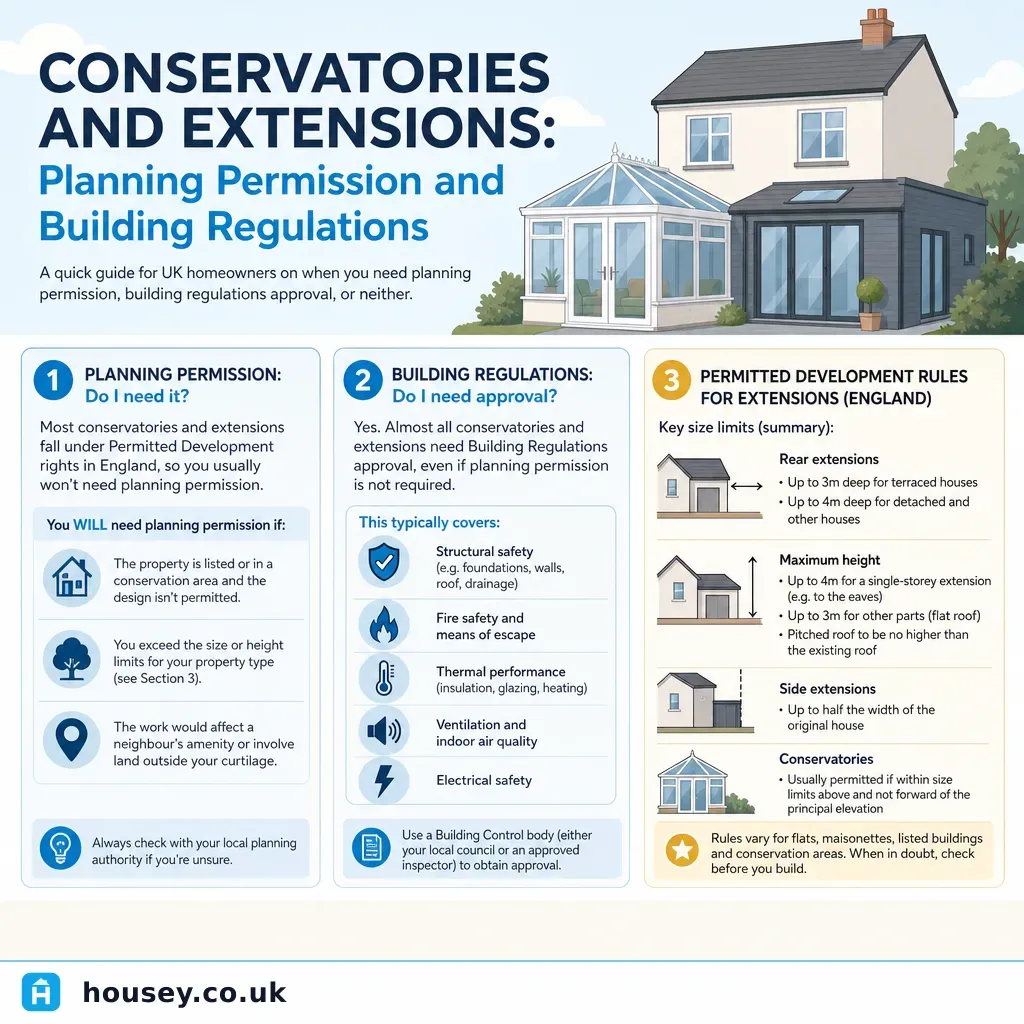
Conservatories and Extensions: Planning Permission and Building Regulations
Whether your conservatory or extension needs planning permission depends on its size, height, position, and property type. Most single-storey rear extensions under 4m (detached) or 3m (other houses) qualify as permitted development. Conservatories meeting specific glazing and separation criteria may be exempt from building regulations, but extensions almost always require building control approval.
 Buying & Moving
Home Hunting Strategies and Property Evaluation Guidance
To find and evaluate the right home, define your non-negotiable criteria before browsing, use HM Land Registry sold prices to check comparables, and inspect properties systematically for structural, damp, and electrical issues. Always commission a RICS Level 2 or Level 3 survey before exchange — the lender's mortgage valuation does not assess property condition for the buyer.
 Energy & Retrofit
Residential Wind Turbines: Feasibility and Energy Generation
Whether a residential wind turbine is feasible depends largely on your site's average wind speed — most UK homes need at least 5–6 m/s to generate useful electricity. Rural and elevated sites generally offer better returns than urban ones. Planning permission is required in most cases, and building-mounted turbines rarely prove cost-effective for typical homes.
 Improvement & Build
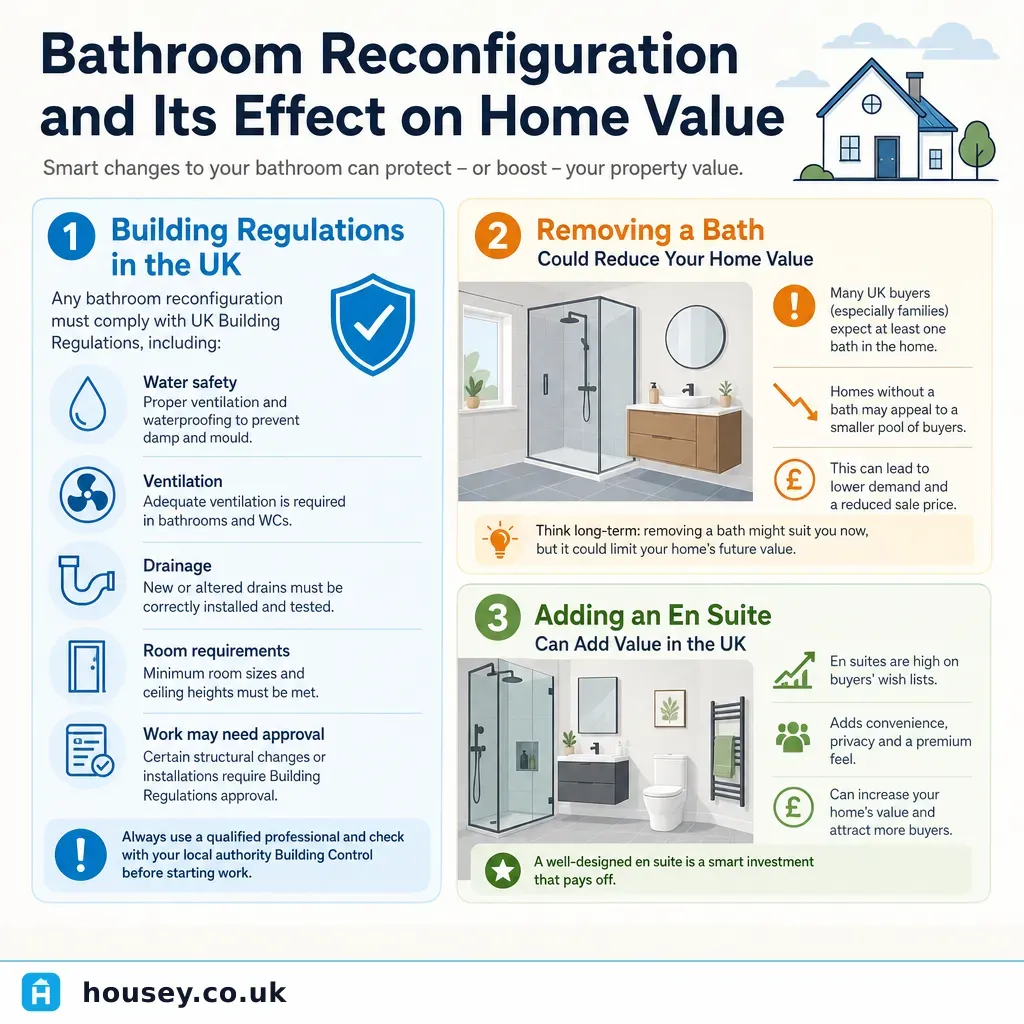
Bathroom Reconfiguration and Its Effect on Home Value
Bathroom reconfiguration can improve saleability, but the impact on value depends heavily on what you change and who your likely buyers are. Adding an en suite often adds value in larger homes; removing the only bath in a family home often reduces saleability. Most drainage or structural changes require Building Regulations approval.
 Improvement & Build
Understanding Window Materials: Types and Properties
uPVC is the most common UK window material, offering low maintenance and adequate thermal performance at a lower cost. Timber suits heritage and conservation area properties but needs regular painting. Aluminium provides slim profiles and long life if thermally broken. Composite frames combine timber's internal appearance with aluminium's weather resistance. Each material has distinct trade-offs in cost, durability, and planning acceptability.
 Improvement & Build
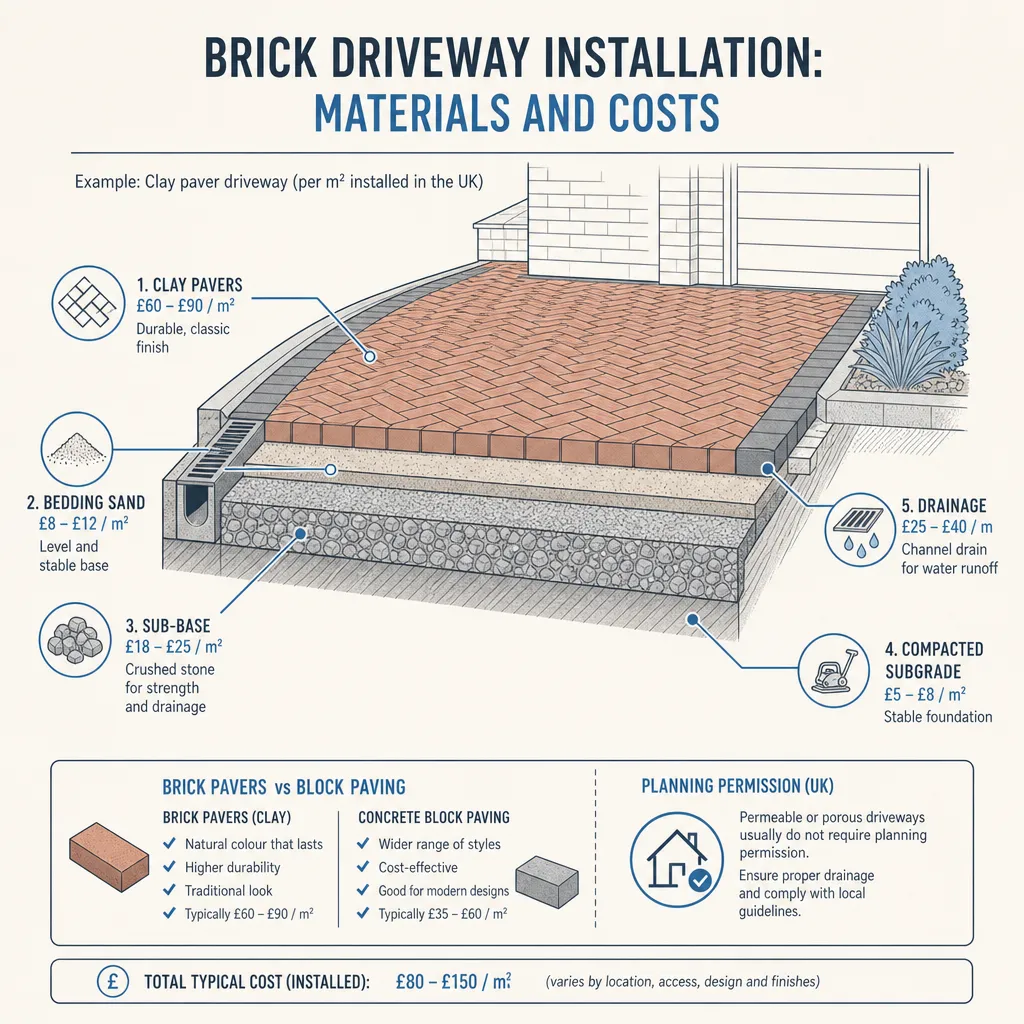
Brick Driveway Installation: Materials and Costs
A brick or clay paver driveway typically costs £90–£150 per square metre installed in the UK, depending on material grade, sub-base requirements, and regional labour rates. Most driveway replacements do not need planning permission, but driveways over 5 m² draining to a public highway must use permeable surfacing or include drainage to comply with permitted development rules.
 Energy & Retrofit
What to Expect When Installing a Solar Panel System
A standard residential solar installation in the UK involves a site survey, appointment of an MCS-certified installer, and a one-to-two day fit-out. A typical 4kWp system costs £5,500–£8,000. Most homes do not need planning permission, and you can earn from surplus electricity via the Smart Export Guarantee.