Knowledge Base
Property advice that actually helps
Researched, UK-specific guides for every stage of homeownership — from buying and surveys to retrofit, planning and major works.
 Improvement & Build
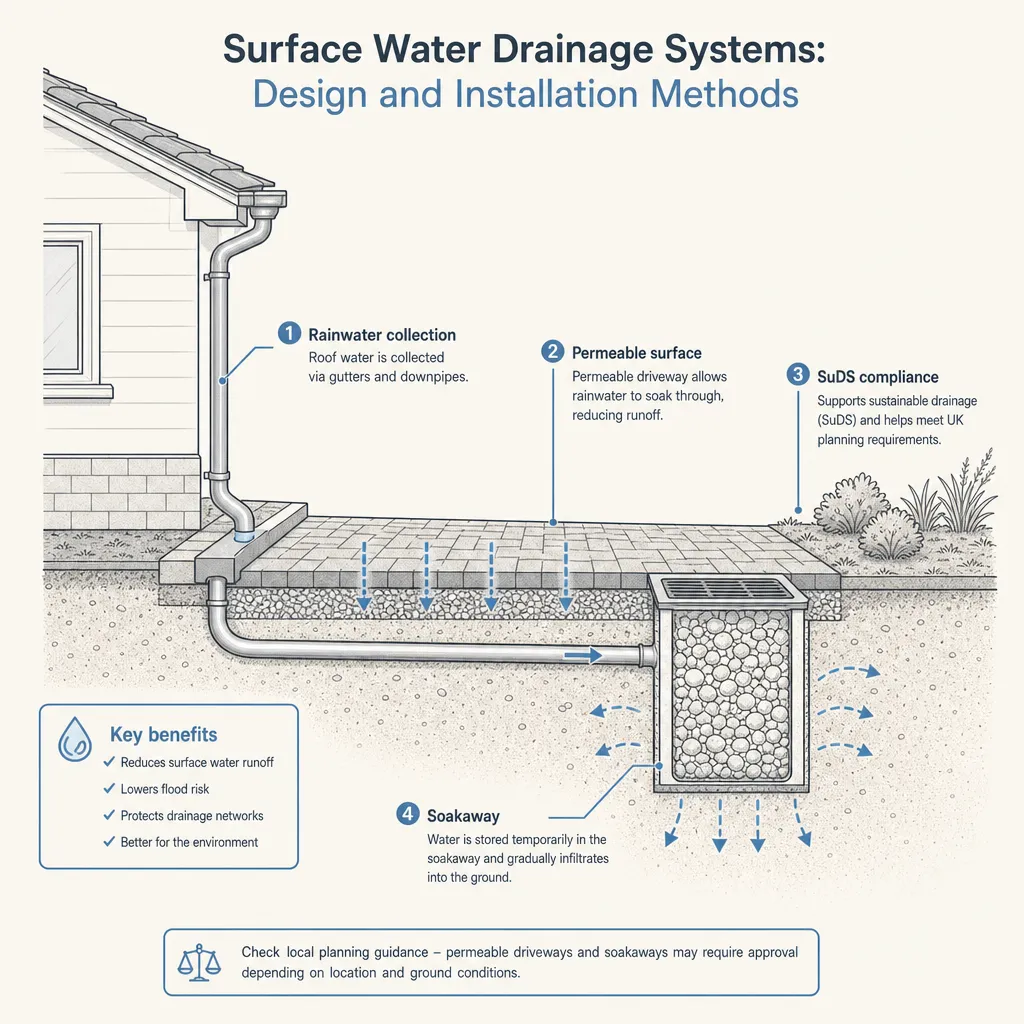
Surface Water Drainage Systems: Design and Installation Methods
Surface water drainage manages rainwater run-off from roofs, driveways, and hard standing. In England, the National Planning Policy Framework requires new drainage to follow sustainable drainage system (SuDS) principles where practicable; in Wales, SuDS approval is mandatory under the Flood and Water Management Act 2010. Any connection to a watercourse requires consent, and most domestic drainage projects require Building Regulations approval under Approved Document H.
 Buying & Moving
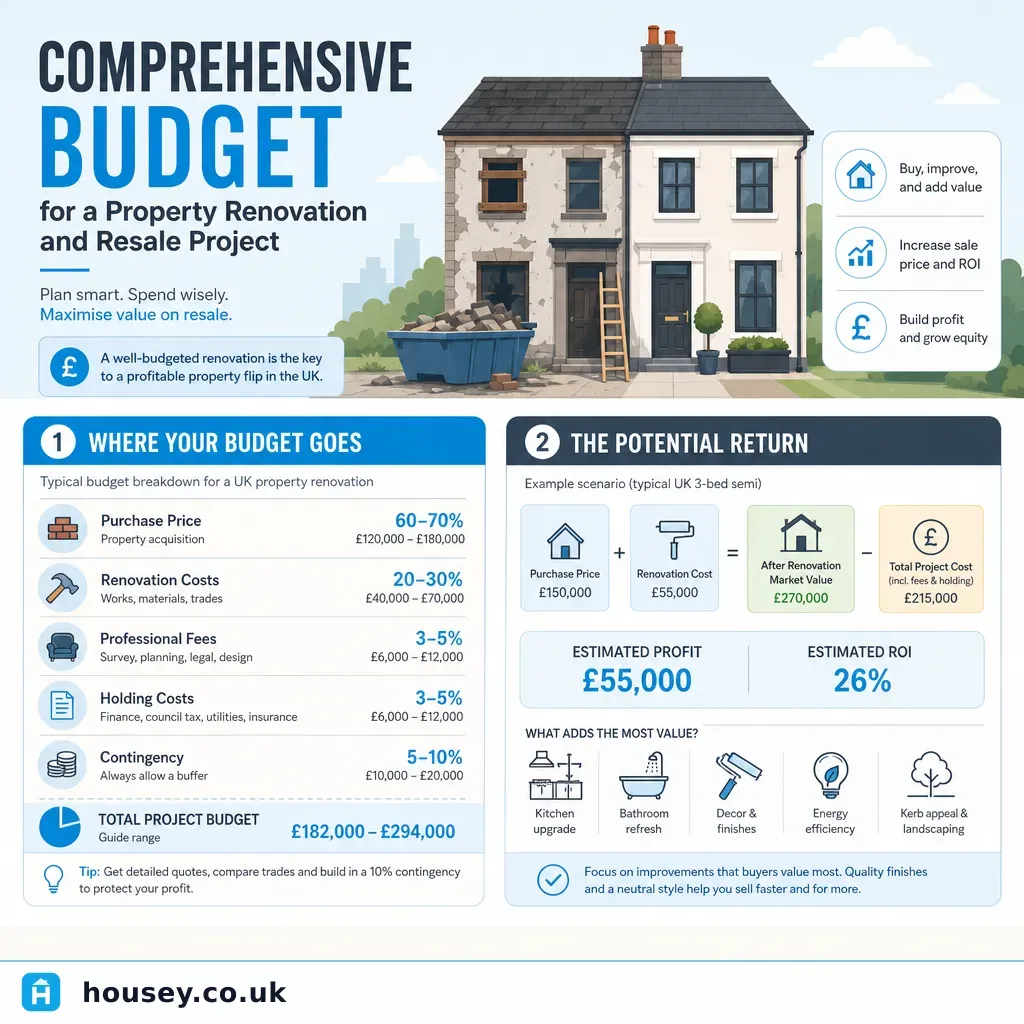
Comprehensive Budget for a Property Renovation and Resale Project
A UK renovation-for-resale budget must cover acquisition costs including SDLT and survey fees, construction with at least a 15% contingency, holding costs such as bridging finance interest, and selling costs including Capital Gains Tax. Margins are often tighter than they appear; undiscovered structural defects and over-specification beyond the local market ceiling are the most common causes of loss.
 Improvement & Build
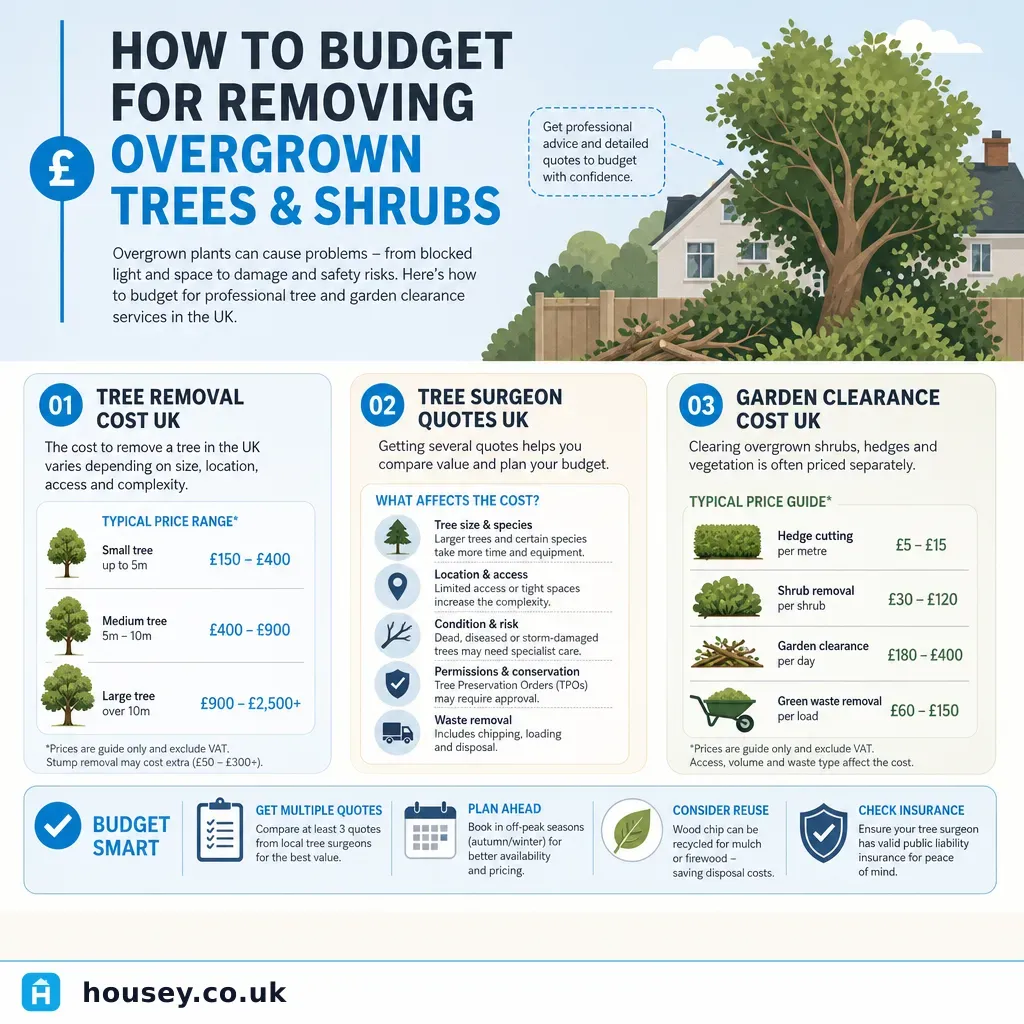
How to budget for removing overgrown trees and shrubs
Removing overgrown trees and shrubs in the UK typically costs between £200 and £2,500 depending on tree size, access, and disposal method. Always check for Tree Preservation Orders before work starts, obtain at least three written quotes from qualified tree surgeons or landscapers, and confirm stump removal and waste disposal are included in the price.
 Improvement & Build
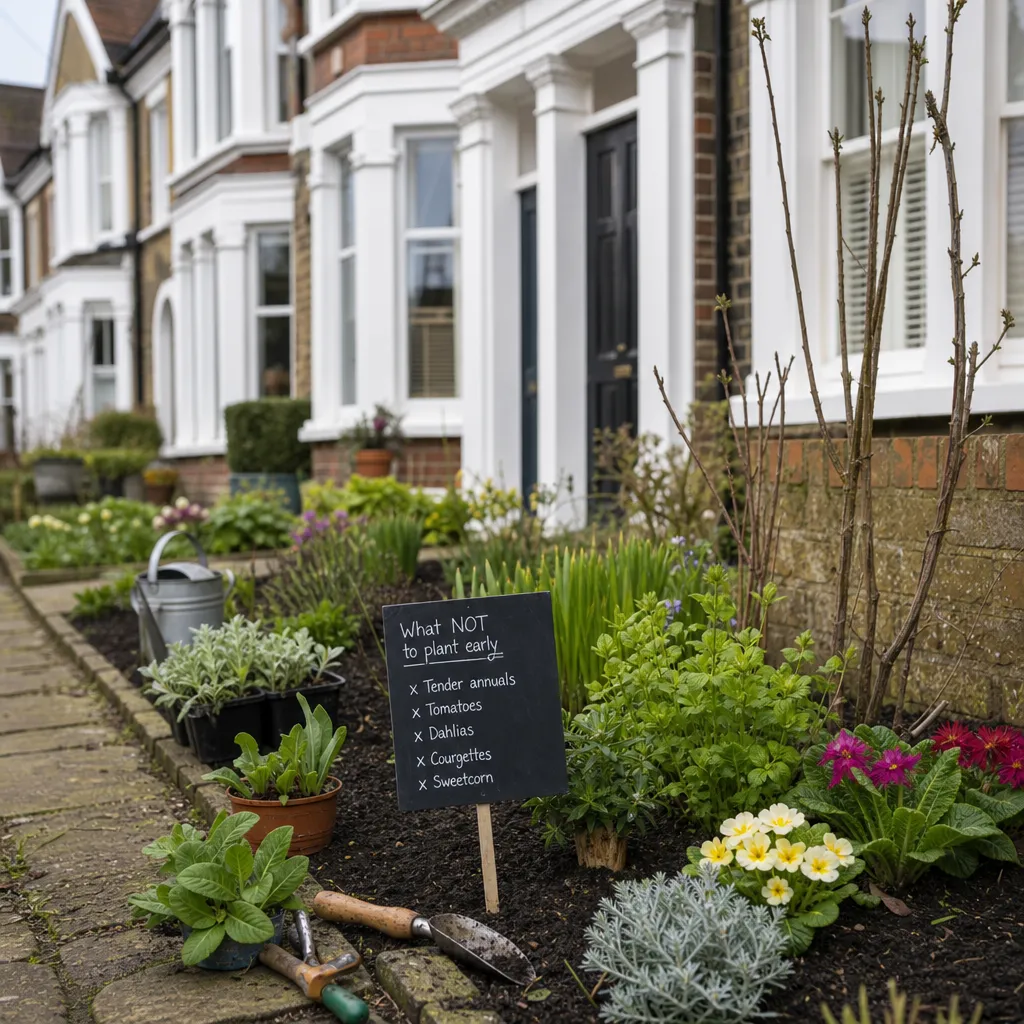
Spring Gardening: What Not to Plant Early and Season-Appropriate Planting Guide
In most of the UK, courgettes, French beans, runner beans, tomatoes, sweet corn, and half-hardy annuals must not go outside until after the last frost — typically late May to early June in England. Hardy crops including broad beans, onion sets, garlic, and peas can be planted from February. Soil temperature above 7°C is a more reliable guide than air temperature alone.
 Improvement & Build
Repairing uPVC Window Hardware: Fixing Broken Sash Mechanisms
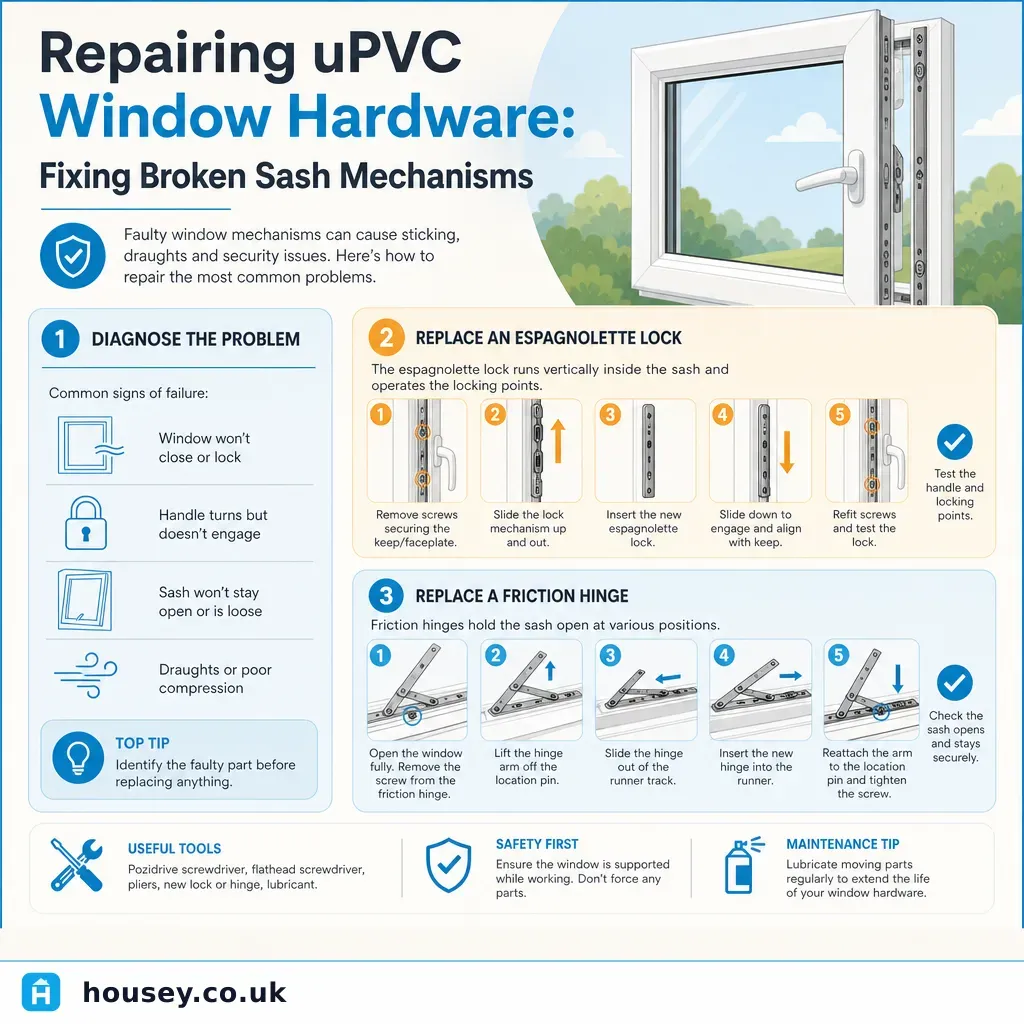
Most uPVC window sash mechanisms — handles, espagnolette locks, and friction hinges — can be replaced as individual components without replacing the full window frame. Hardware repair is cost-effective when the frame is structurally sound and compatible parts can be identified. No FENSA registration or building control notification is required for like-for-like hardware replacement.
 Improvement & Build
Retaining Walls: Landscape Support Structures and Garden Construction
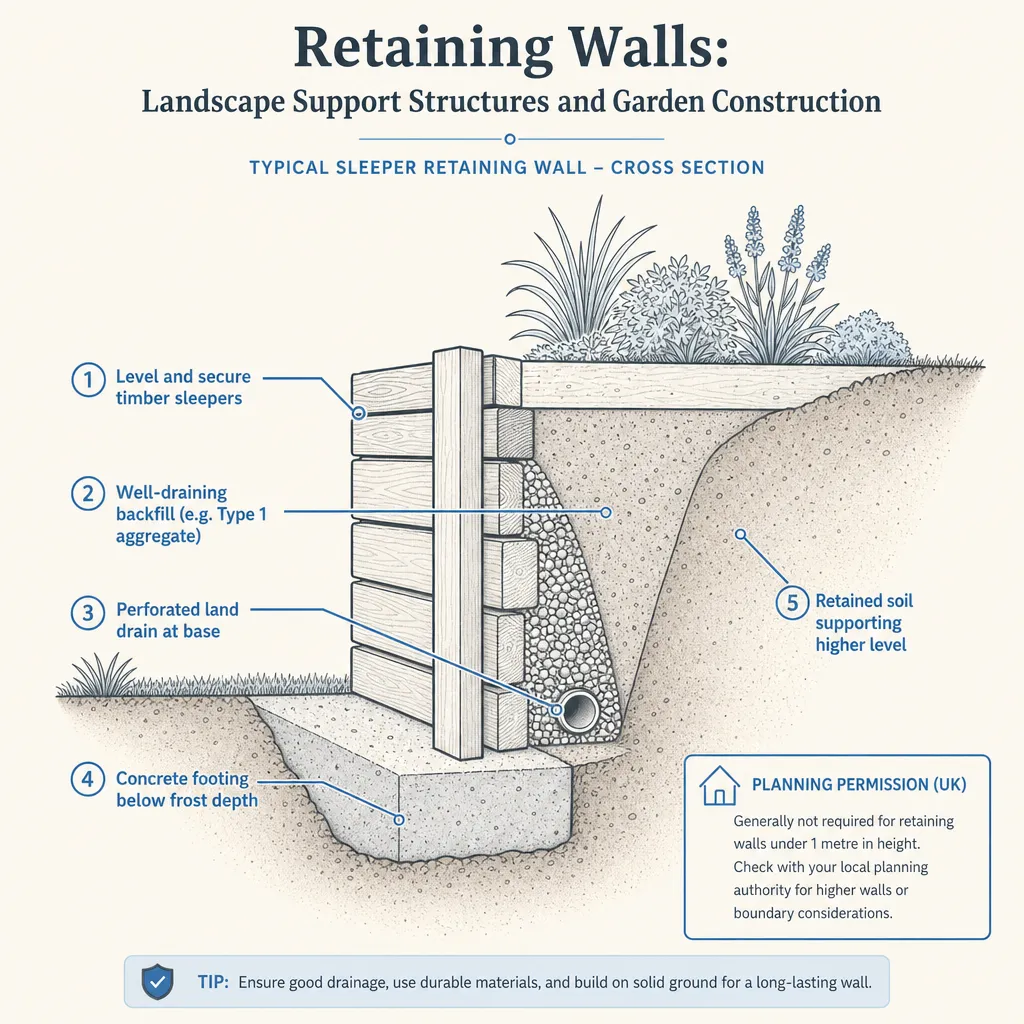
A domestic retaining wall under 1 metre in height, away from buildings and boundaries, can usually be built by a landscaper or groundworker without structural calculations. Walls over 1.2 metres, near a highway or a neighbour's foundations, or supporting a surcharge load should involve a structural engineer and may need building control notification.
 Buying & Moving
EPC Exemptions and Circumstances: When Energy Certificates Are Not Required
An EPC is not required for listed buildings where energy measures would unacceptably alter their character, standalone buildings under 50 m², places of worship, certain temporary structures, and holiday lets occupied for less than four months per year. If a valid certificate already exists on the official EPC register, a new one is not needed.
 Surveys & Inspections
Roof Lifespan and Maintenance Planning for Property Owners
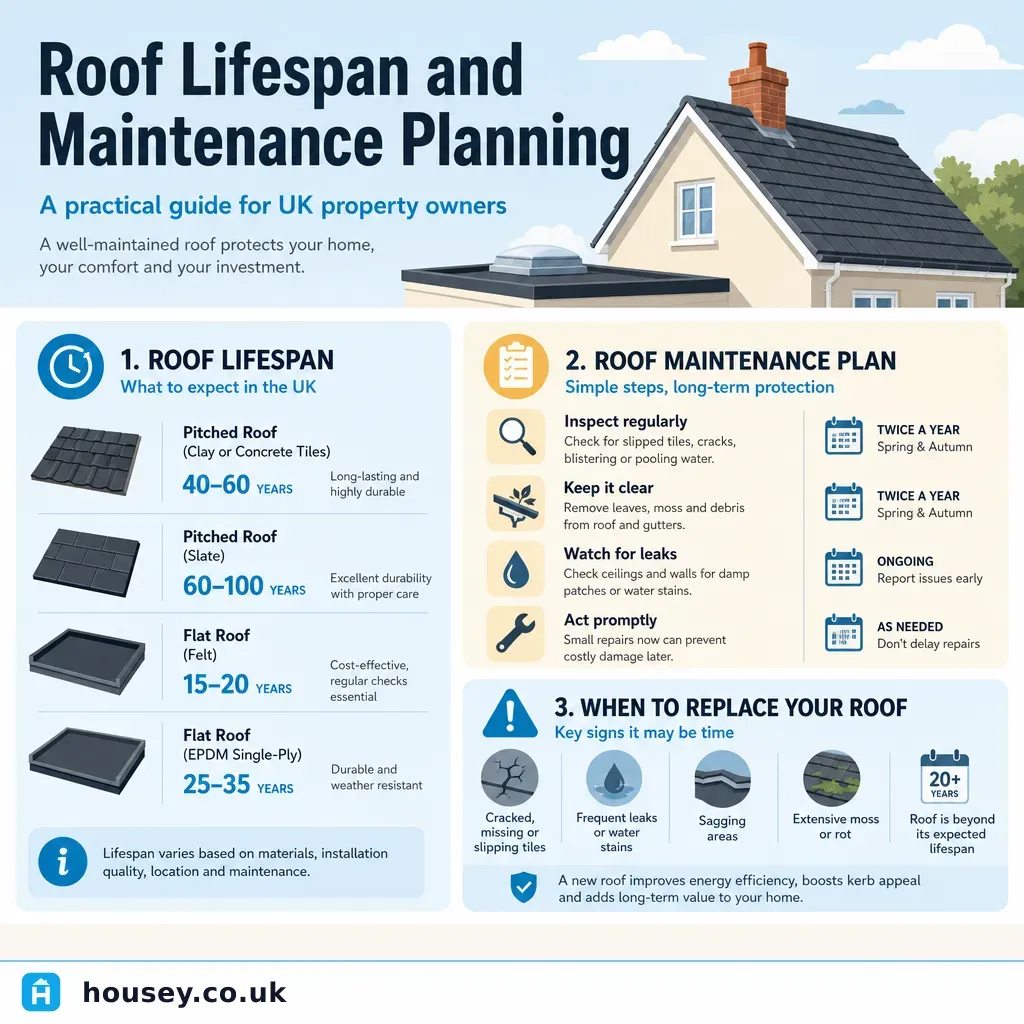
Most UK pitched roofs last 40–100+ years depending on covering material, with natural slate lasting longest and concrete tiles typically 40–60 years. Flat roofs generally need attention every 15–25 years. Inspections every 2–3 years, after storms, and before buying or selling help you budget for repairs early and avoid emergency costs.
 Improvement & Build
Hidden Costs in Home Renovation: Planning and Budget Management
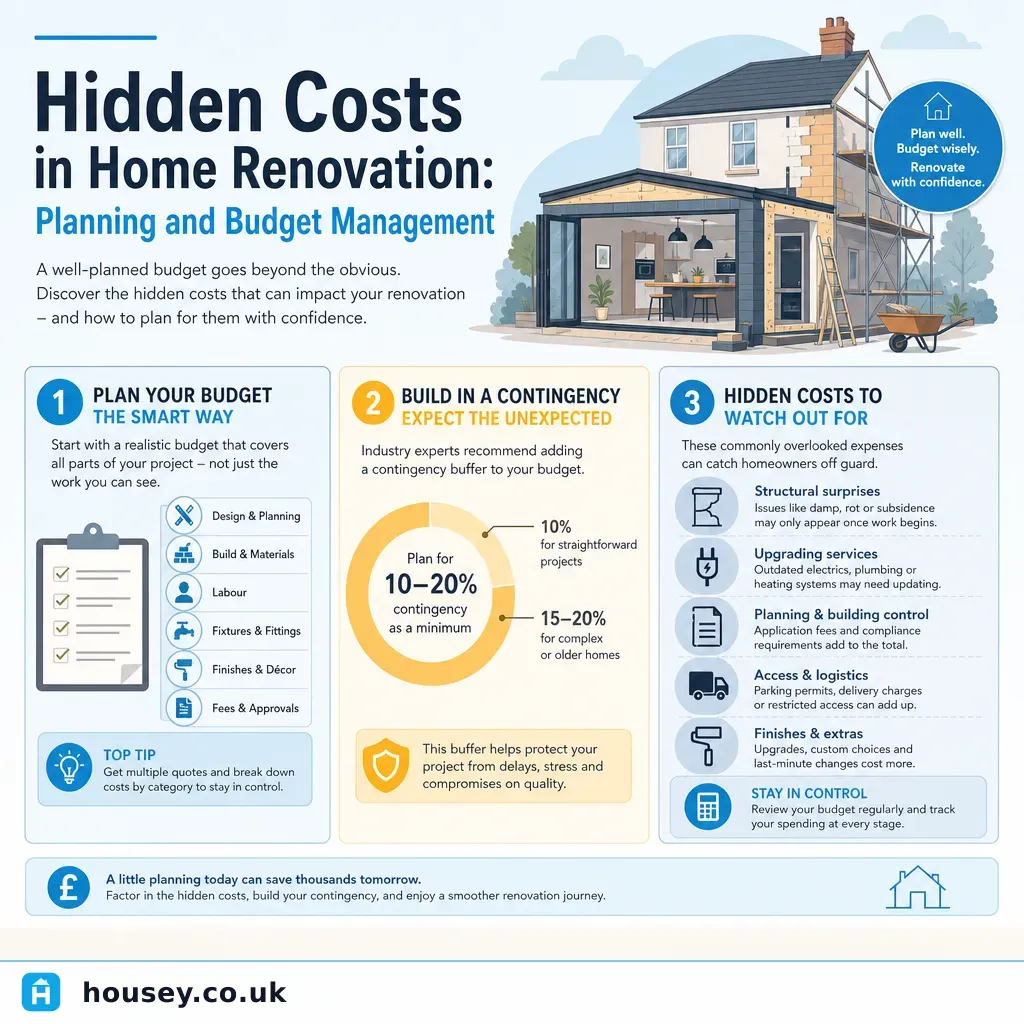
Most UK renovation projects run 10–20% over the initial builder quote because professional fees, VAT, statutory fees, and party wall costs are routinely excluded from early estimates. Building a 15–20% contingency into your total project cost from the outset — and commissioning a survey before work begins — are the two most effective ways to avoid a cost overrun.
 Planning & Pre-Build
Sourcing Reclaimed and Salvaged Building Materials for Period Renovation
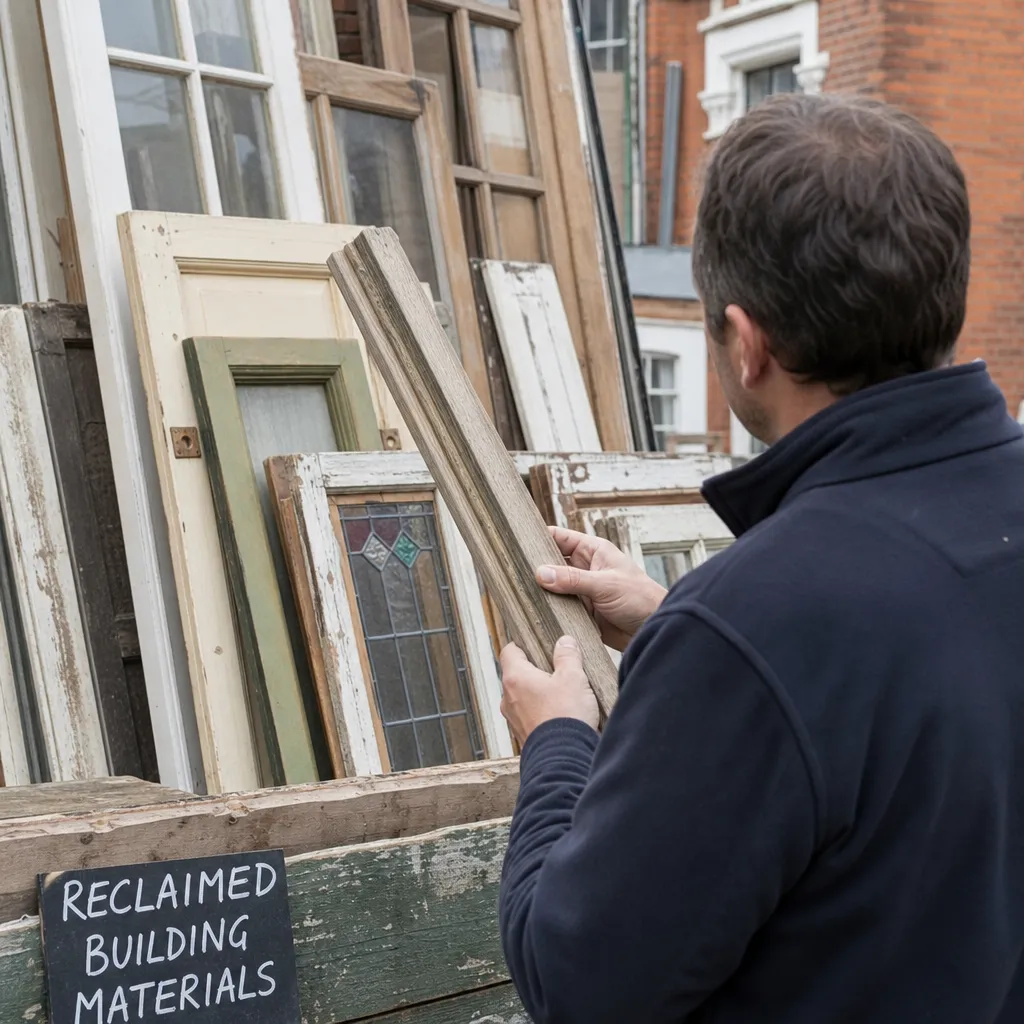
Reclaimed materials — including original bricks, flooring, roof tiles, lime mortar, and architectural salvage — are often the best match for period properties and may be required by conservation officers or planning conditions. In the UK, specialist salvage yards, online architectural salvage platforms, and demolition contractors are the main sources. Always check material condition, provenance, and any listed building or conservation area requirements before purchasing.
 General property advice
What to budget for building and installing wheelchair accessible ramps
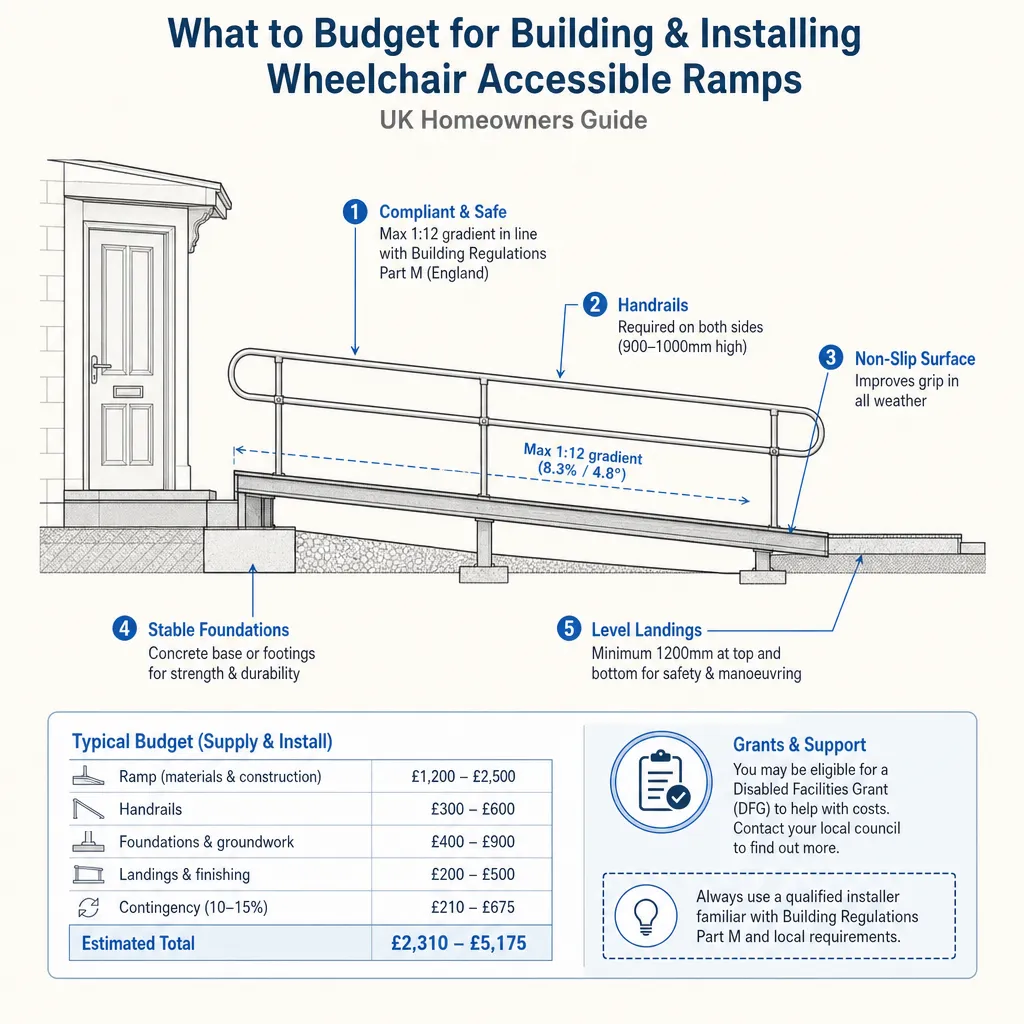
Wheelchair ramp installation in the UK typically costs from around £500 for a modular aluminium system to £8,000 or more for a permanent concrete ramp, depending on the height to overcome and site conditions. Most homeowners and tenants may qualify for a Disabled Facilities Grant of up to £30,000 through their local council, which can cover the full cost.
 Improvement & Build
Aluminium vs UPVC Windows: Performance, Durability, and Pricing
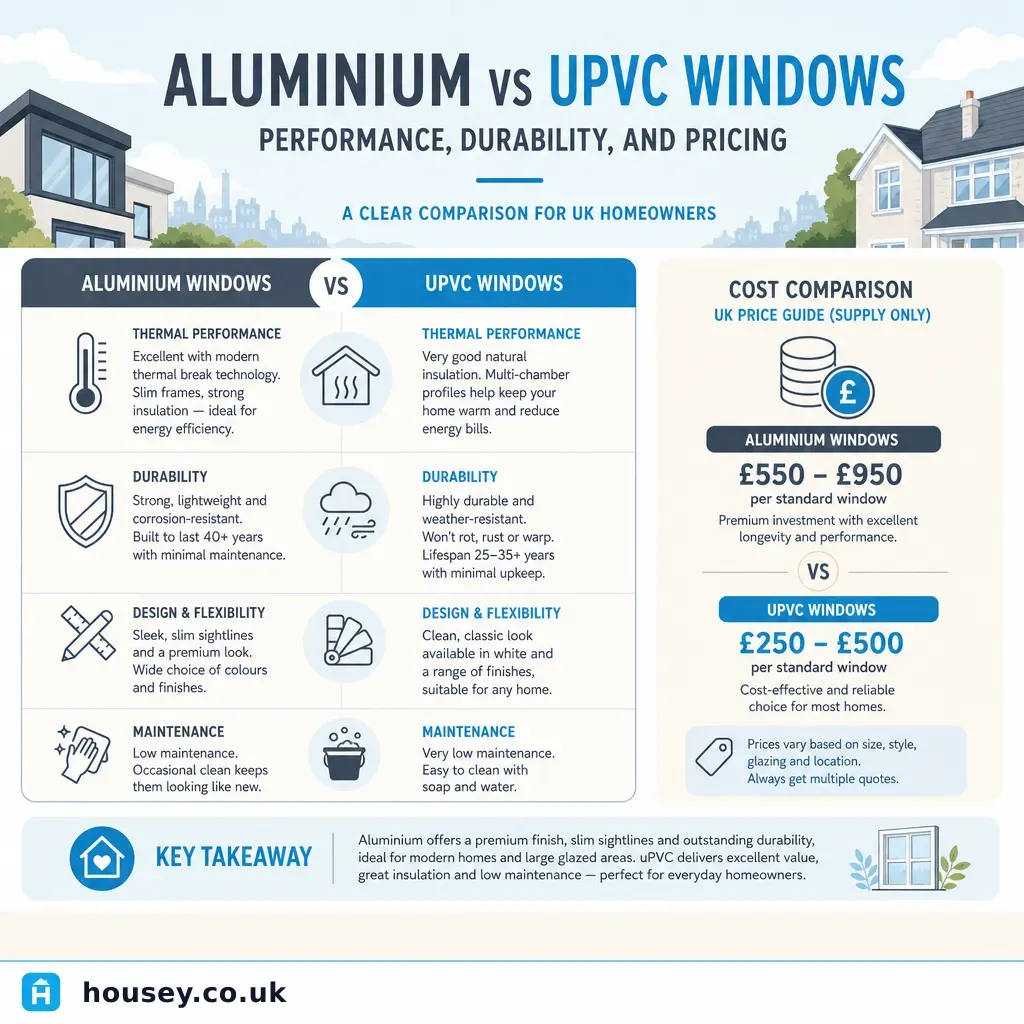
Aluminium windows offer slimmer frames, greater longevity of 45 or more years, and a premium look, but typically cost roughly twice as much as UPVC. UPVC is lighter on the budget, thermally competitive, and suits most standard UK homes. The right choice depends on your property style, budget, and how long you plan to stay.