Knowledge Base
Property advice that actually helps
Researched, UK-specific guides for every stage of homeownership — from buying and surveys to retrofit, planning and major works.
 Improvement & Build
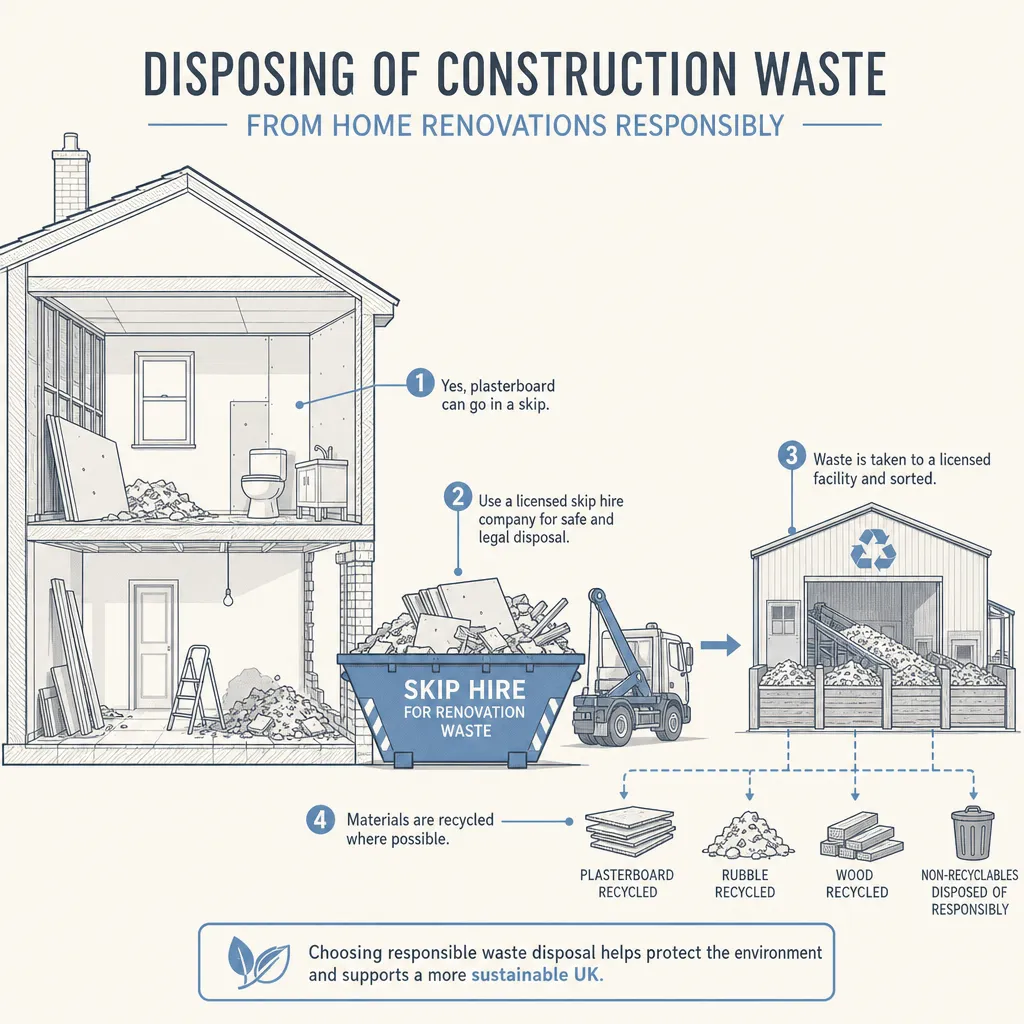
Disposing of Construction Waste from Home Renovations Responsibly
Construction waste from home renovations in the UK must be disposed of legally under the Environmental Protection Act 1990. Use a registered waste carrier, keep waste transfer notes for two years, and keep hazardous materials such as asbestos entirely separate. Plasterboard must go to a dedicated facility. Fly-tipping carries fines of up to £50,000.
 Energy & Retrofit
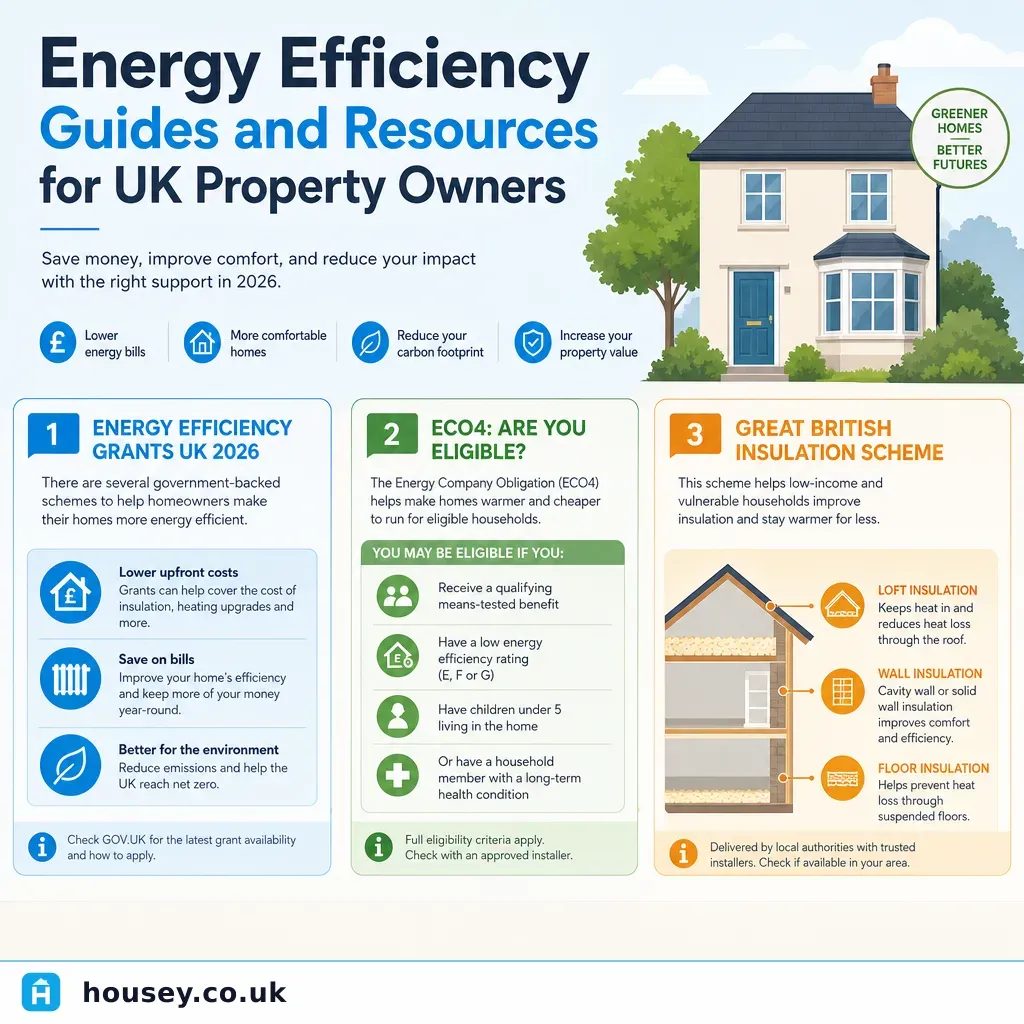
Energy Efficiency Guides and Resources for UK Property Owners
UK homeowners can improve energy efficiency through a range of measures — from loft and cavity wall insulation to heat pumps, solar panels, and improved heating controls. Free and subsidised support is available through schemes such as ECO4 and the Great British Insulation Scheme. A retrofit assessment helps identify the right sequence of improvements for your specific property type and heating system.
 Improvement & Build
Window Replacement Cost Calculator and Pricing Guide
Replacing a standard uPVC double-glazed casement window in the UK typically costs £400–£800 supply and fit. Timber and aluminium windows cost more. Prices vary by window type, glazing specification, and number of units. FENSA-registered installers self-certify compliance under Building Regulations Part L at no extra cost to you.
 Energy & Retrofit
Which Heat Pump System Is Right for Your Home: Selection Guide
Air source heat pumps suit most UK homes with adequate outdoor space and good insulation; ground source systems offer higher efficiency but need significant land for buried loops and cost more to install. A qualified MCS-certified assessor should calculate your home's heat loss before any system is specified or sized.
 Surveys & Inspections
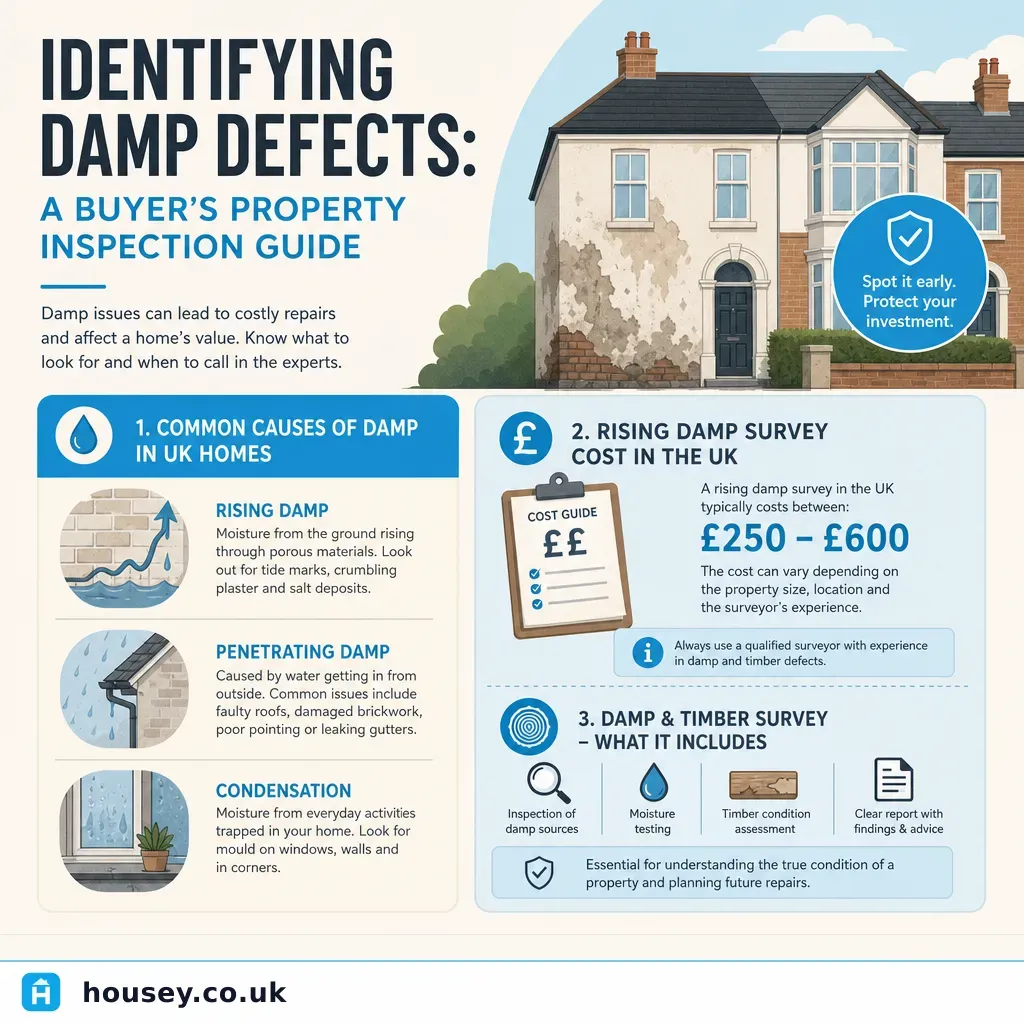
Identifying Damp Defects: A Buyer's Property Inspection Guide
The three main damp types in UK homes are rising damp (groundwater absorbed through porous masonry), penetrating damp (water entering via fabric defects), and condensation (internal moisture on cold surfaces). Each requires a different remediation approach. A RICS-qualified surveyor or PCA-qualified damp specialist can diagnose the cause accurately and specify an appropriate fix.
 Improvement & Build
Waterproofing and Protecting Your Deck or Patio
Protecting a deck or patio from water damage involves choosing the right sealant or coating for the surface material, applying it after thorough cleaning and drying, and repeating treatment every one to three years. Timber decking typically needs a penetrating oil or water-repellent sealant, while concrete and stone patios benefit from a breathable impregnator.
 Buying & Moving
Two Solicitors or One? Managing Conveyancing Representation in Joint Purchases
In England and Wales, both buyers in a joint purchase can usually use the same conveyancing solicitor, provided there is no conflict of interest between them. Separate solicitors are typically needed when interests diverge — for example, due to significantly unequal contributions, separate mortgages, or disagreement over the terms of ownership.
 General property advice
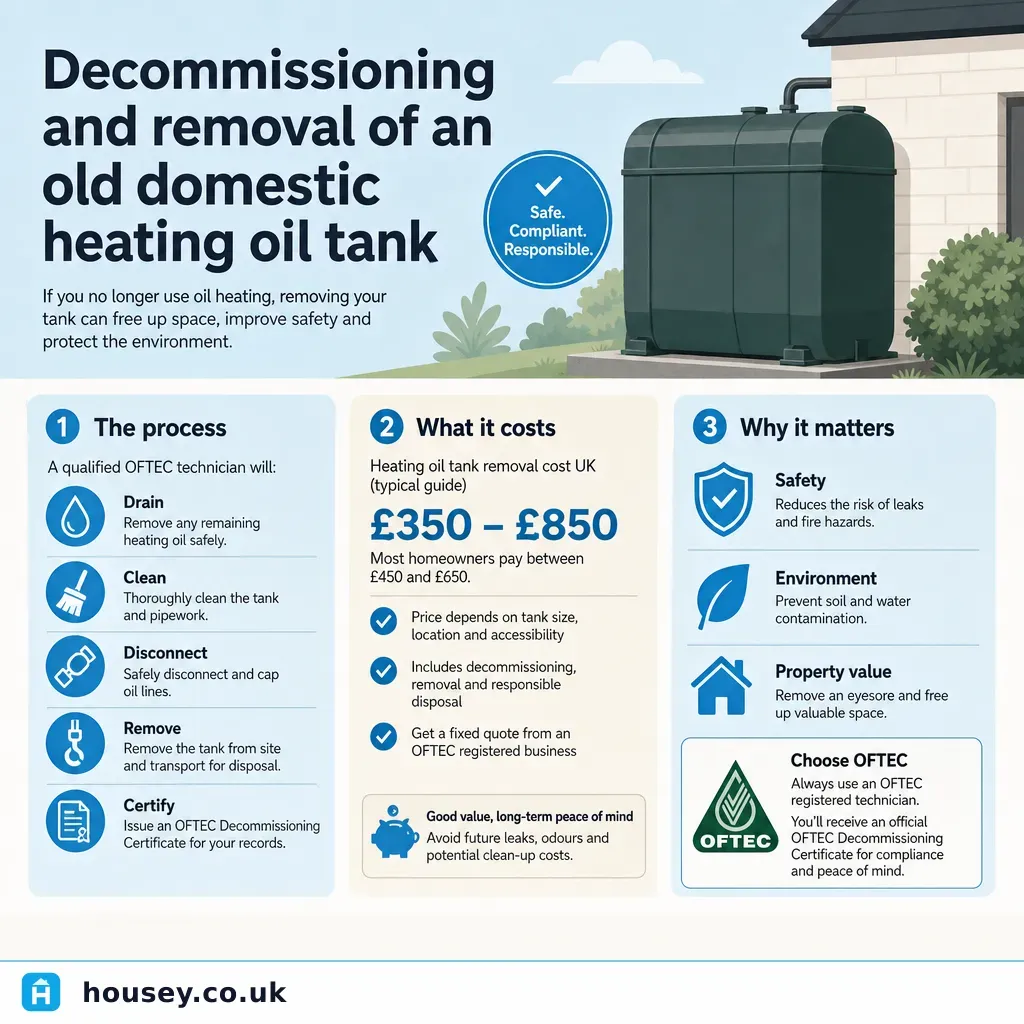
Decommissioning and removal of an old domestic heating oil tank
Decommissioning a domestic heating oil tank must be carried out by an OFTEC-registered contractor, who will empty, clean, and render the tank safe before removal. Costs typically range from £300 to £1,000 or more depending on tank size and access. A written OFTEC DC1 decommissioning certificate is important for conveyancing and regulatory compliance.
 Improvement & Build
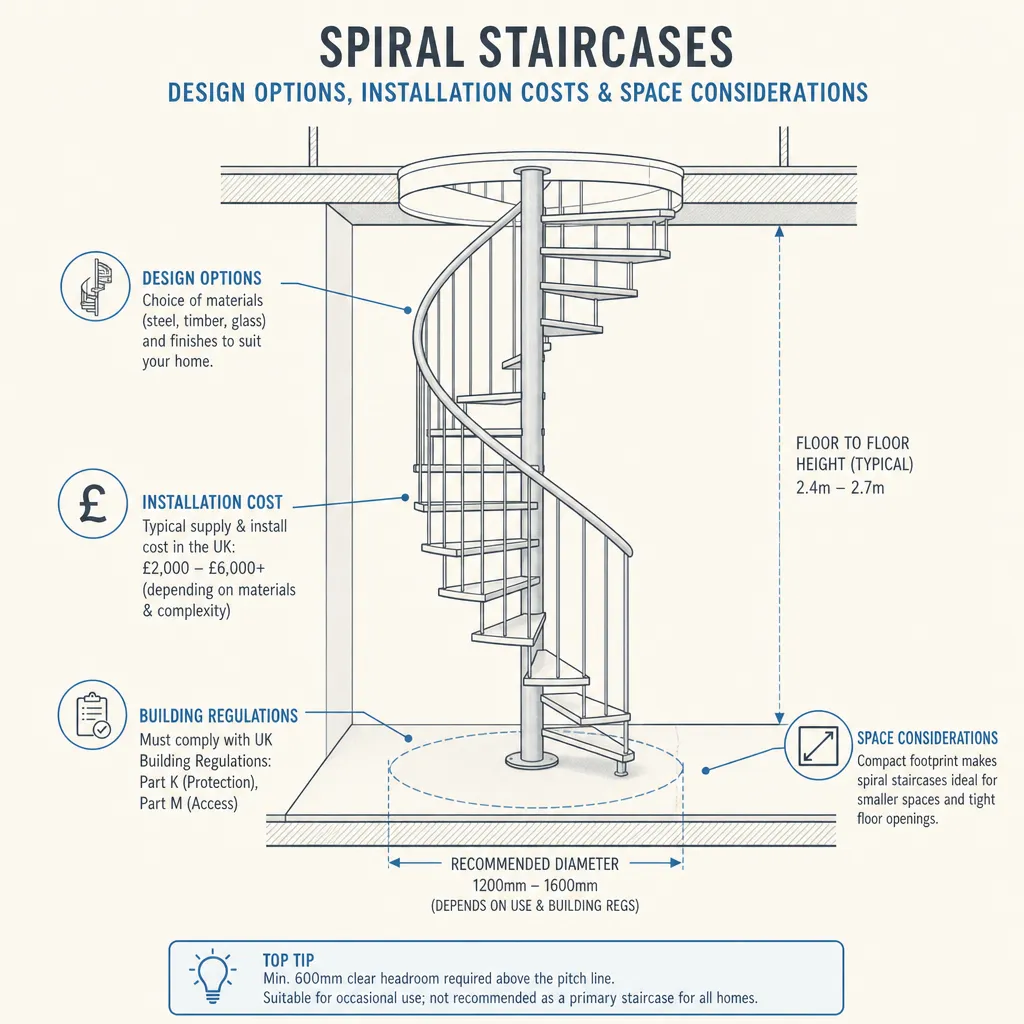
Spiral staircases: design options, installation costs and space considerations
A spiral staircase typically costs between £800 for a basic mild steel kit and £15,000 or more for a bespoke timber or glass design, fully installed. The total budget should include structural floor-opening work and building control approval. Diameter, material, and whether the staircase serves as a primary or secondary access route determine the right specification.
 Planning & Pre-Build
New Build Home: Key Questions to Ask Your Builder
Before reserving a new build home, ask your builder which structural warranty provider is used (usually NHBC Buildmark), how the snagging and defects liability period works, which building regulations certificates you will receive at completion, and what the build programme milestones and long-stop date are. Getting clear written answers before exchange protects your reservation fee and legal position.
 Buying & Moving
Types of Removal Companies: Choosing the Right Mover for Your Relocation
UK removal companies range from man-and-van operators for small moves to full-service firms that pack, transport, store, and unpack. International moves need specialist freight or overseas relocation companies. The right choice depends on your volume of belongings, distance, timeline, and budget — matching the service level to your situation avoids costly mismatches on moving day.
 Energy & Retrofit
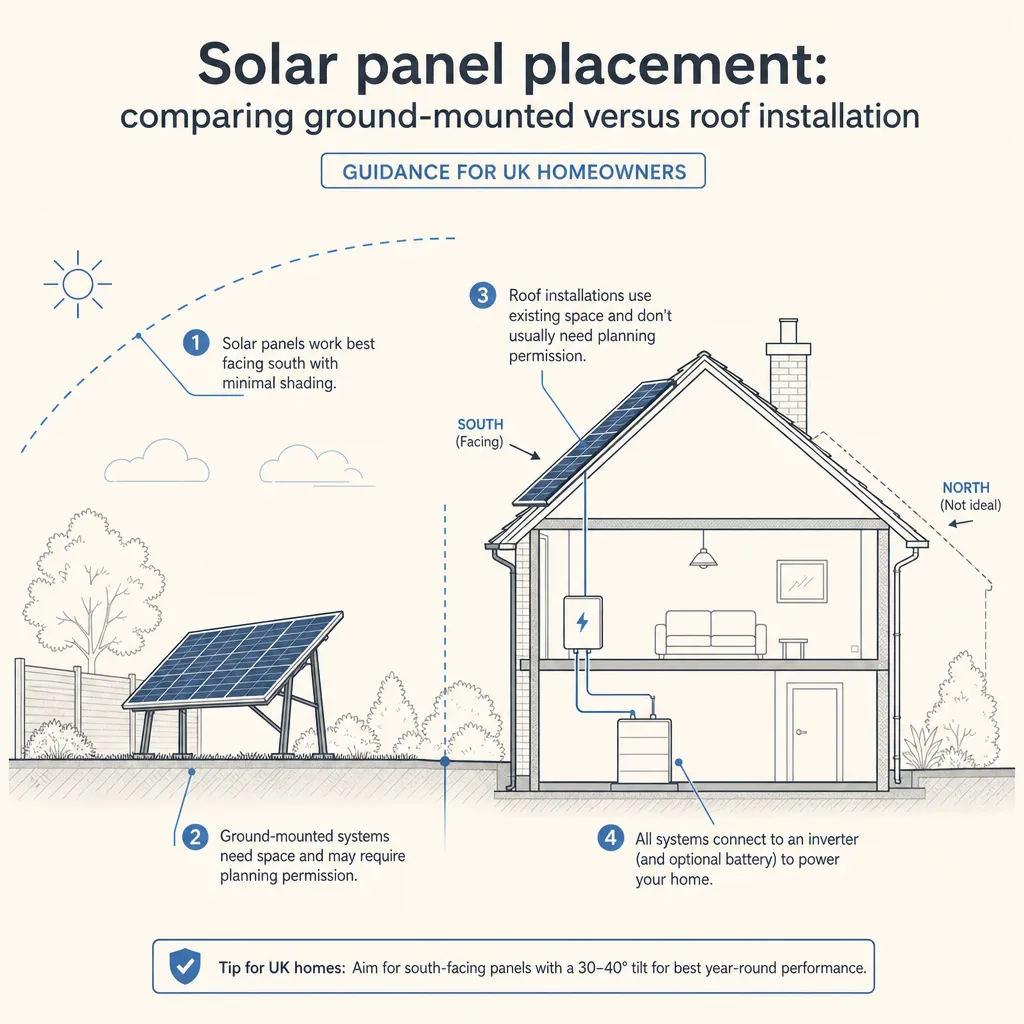
Solar panel placement: comparing ground-mounted versus roof installation
Roof-mounted solar panels suit most UK homes and cost less to install, but ground-mounted arrays offer more flexibility over angle and orientation. Ground installations often need more space, may require planning permission, and typically cost more per kWp. The right choice depends on your roof condition, available land, shading, and budget.