Knowledge Base
Property advice that actually helps
Researched, UK-specific guides for every stage of homeownership — from buying and surveys to retrofit, planning and major works.
 Improvement & Build
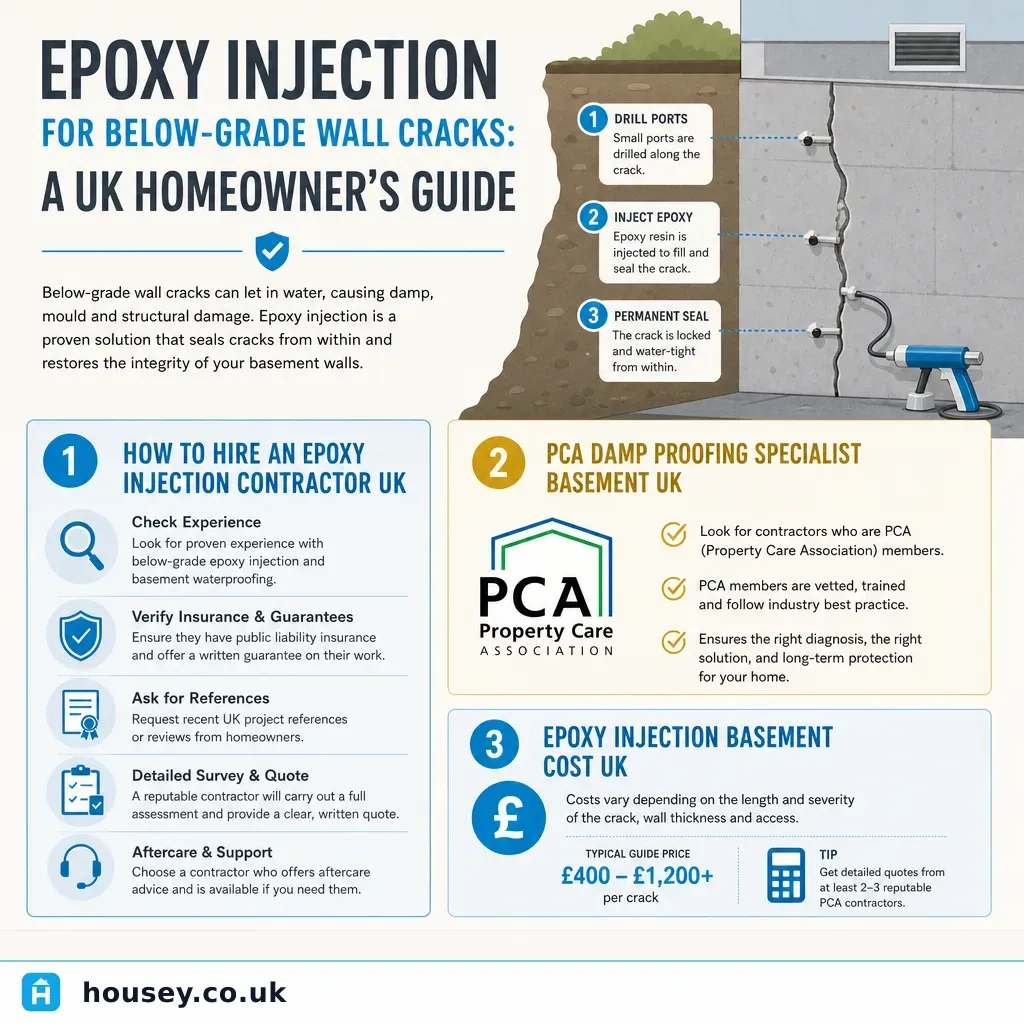
Epoxy Injection for Below-Grade Wall Cracks: A UK Homeowner's Guide
Epoxy injection seals stable, non-moving cracks in below-grade concrete walls but will not work on masonry, actively moving cracks, or as a standalone fix for habitable basement conversions. Before commissioning any works, a PCA-registered contractor should survey the crack, install monitoring gauges to confirm it is static, and produce a specification compliant with BS 8102:2022.
 Improvement & Build
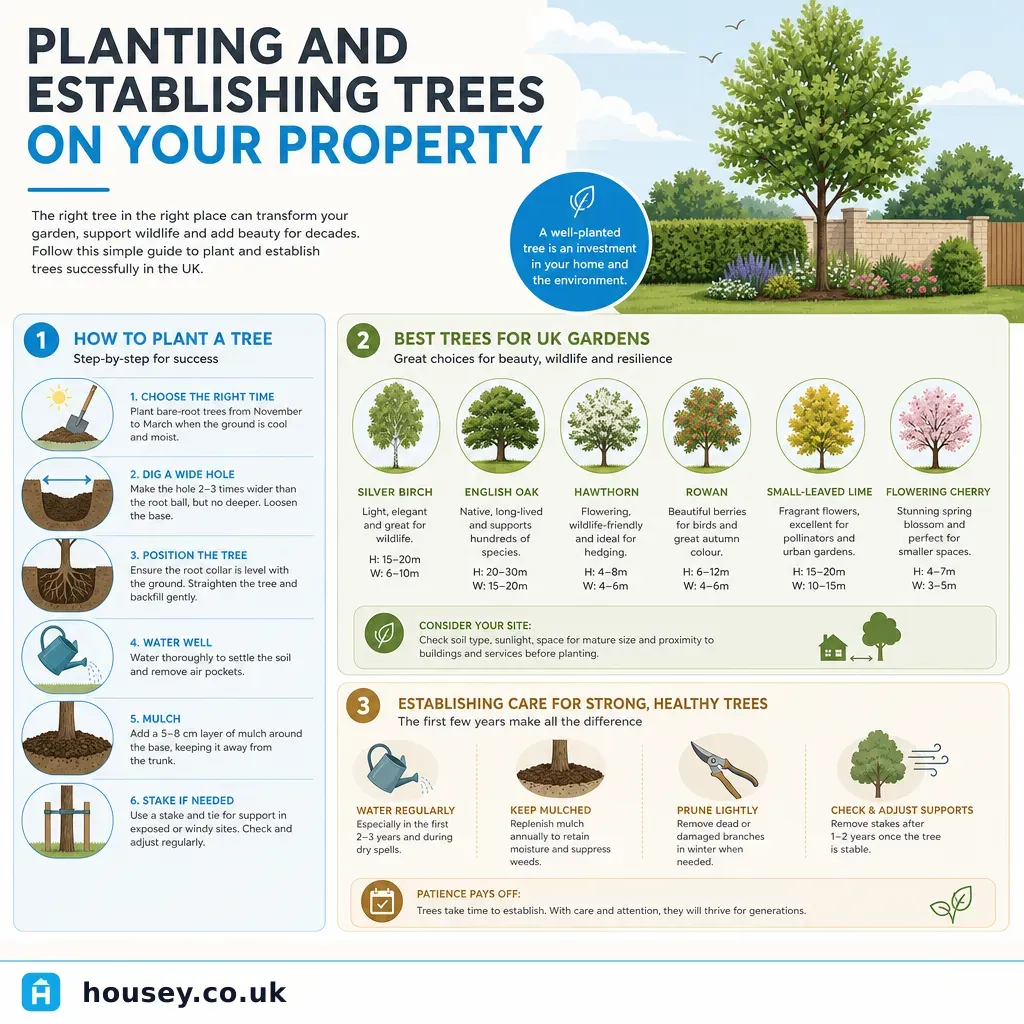
Planting and Establishing Trees on Your Property
Trees planted in the right season (October to March for bare-root stock), in well-prepared ground, and with appropriate staking and aftercare will establish most successfully. Choosing species suited to your soil, space, and aspect matters as much as planting technique. Check for Tree Preservation Orders and any restrictive covenants before planting near boundaries or structures.
 Improvement & Build
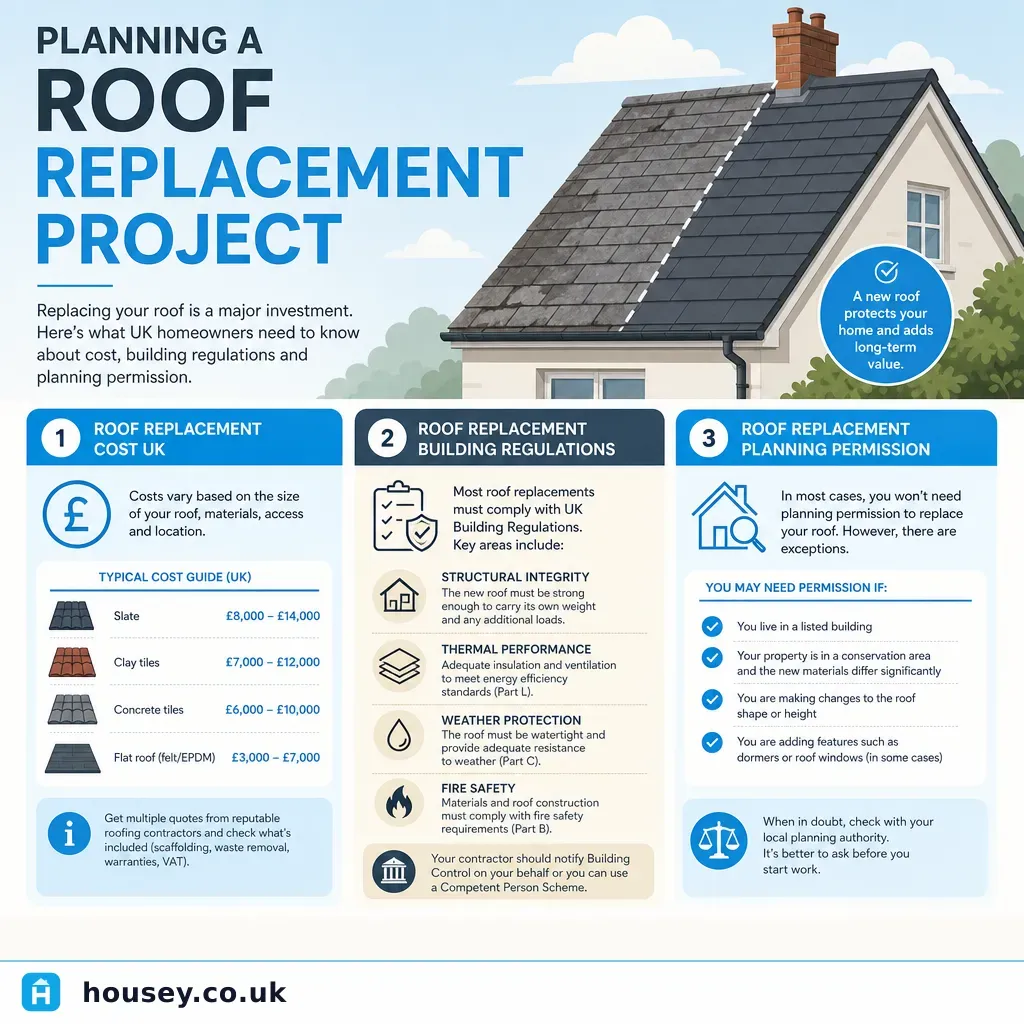
Planning a Roof Replacement Project
A roof replacement project involves stripping the existing covering, renewing the sarking felt and battens, and laying new tiles, slates, or a flat-roof membrane. Most like-for-like replacements fall under permitted development, but Building Regulations approval is needed if more than 25% of the roof area is renewed. Getting at least three itemised quotes — with scaffold costs clearly included — is essential.
 Improvement & Build
Window Types for Homes: A Comprehensive Overview
UK homes use several main window styles: casement (outward-swinging), sash (vertically sliding), tilt-and-turn, fixed light, and bay or bow. The right choice depends on property age, planning constraints, and performance requirements. All replacement glazing must meet Building Regulations Part L; FENSA-registered installers can self-certify compliance. Conservation areas and listed buildings have additional restrictions.
 Improvement & Build
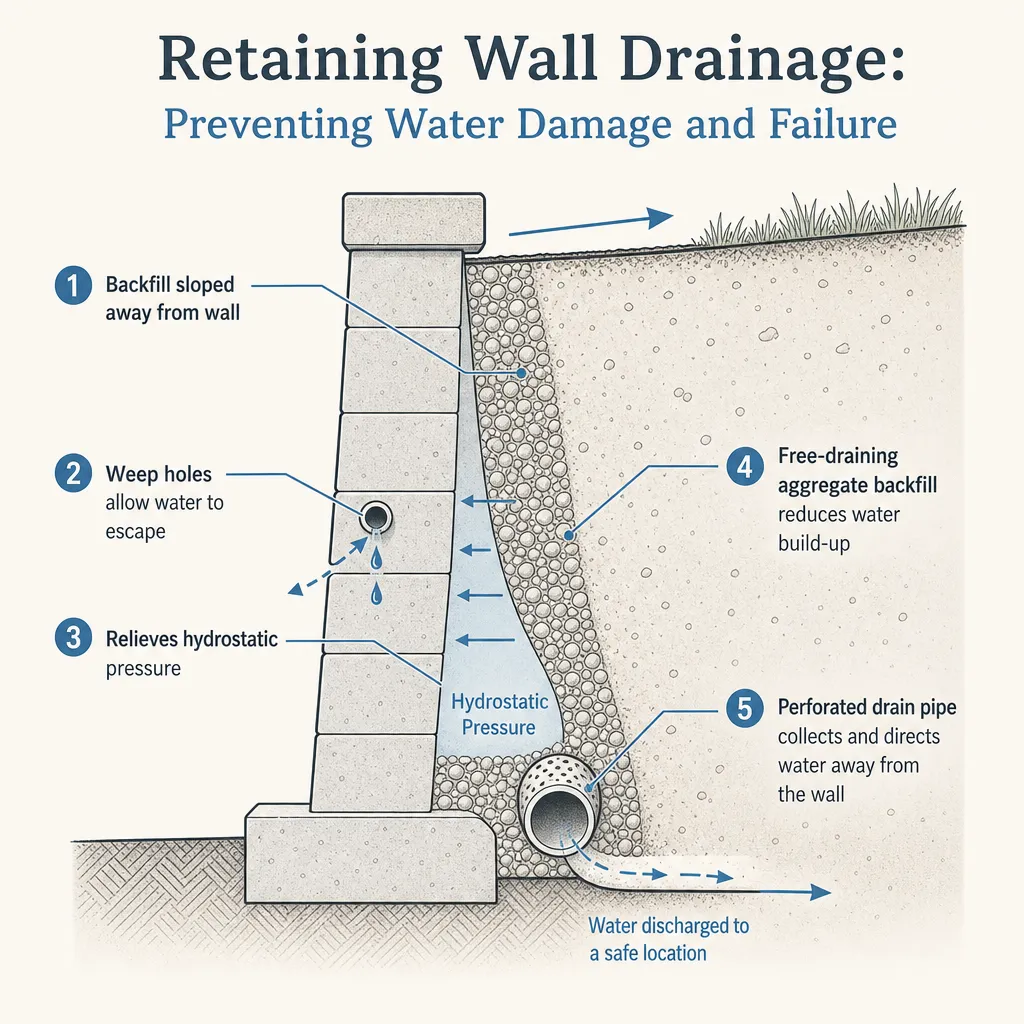
Retaining Wall Drainage: Preventing Water Damage and Failure
Retaining wall drainage fails when hydrostatic pressure builds behind the structure due to poor drainage layers, blocked weep holes, or impermeable backfill. A French drain with granular aggregate, geotextile filter fabric, and weep holes is the standard solution. Walls over about one metre in retained height should be assessed by a structural or geotechnical engineer before building or modifying.
 Improvement & Build
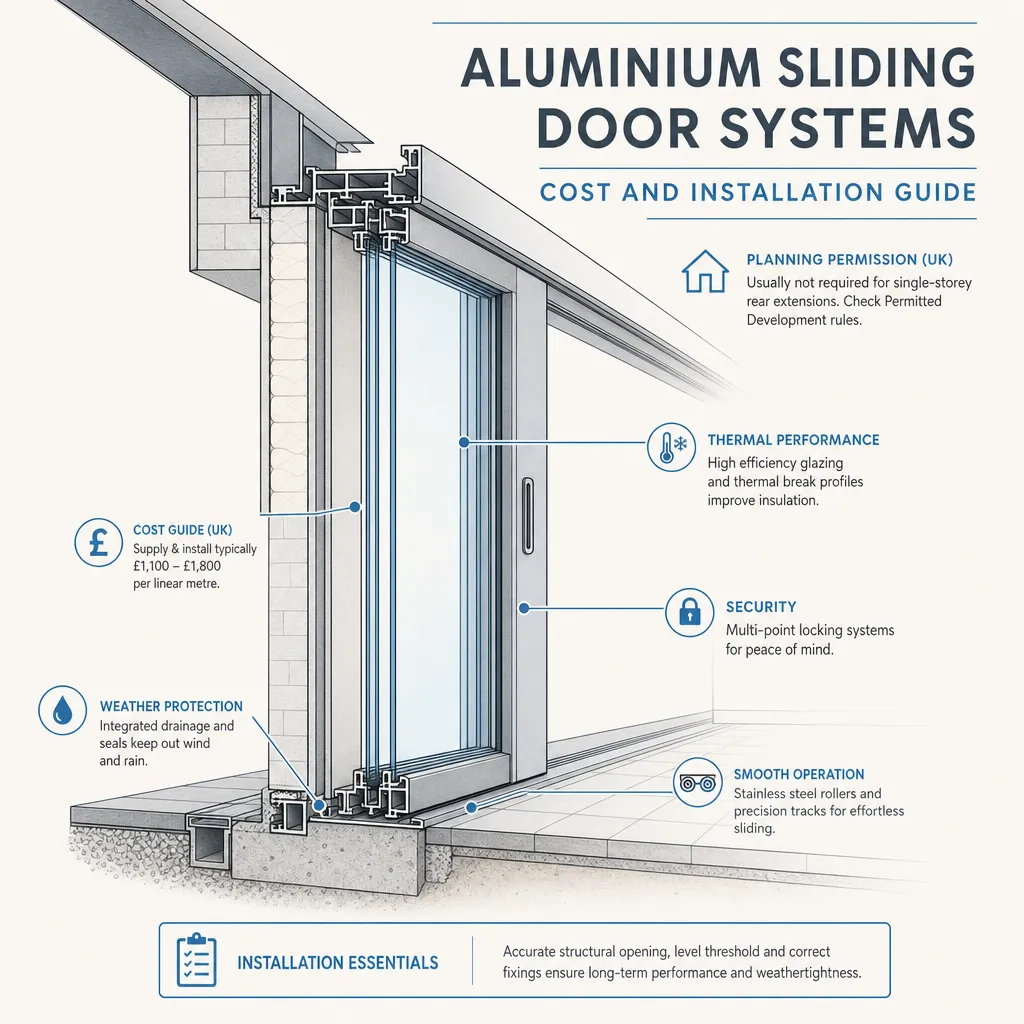
Aluminium Sliding Door Systems: Cost and Installation Guide
Aluminium sliding doors typically cost £2,500–£7,000 supply and fitted for a standard opening. Most rear installations fall under permitted development rights and do not need planning permission, but Building Regulations Part L applies: the glazed unit must achieve a U-value of no more than 1.6 W/m²K. Use a FENSA or CERTASS-registered installer to self-certify compliance.
 Improvement & Build
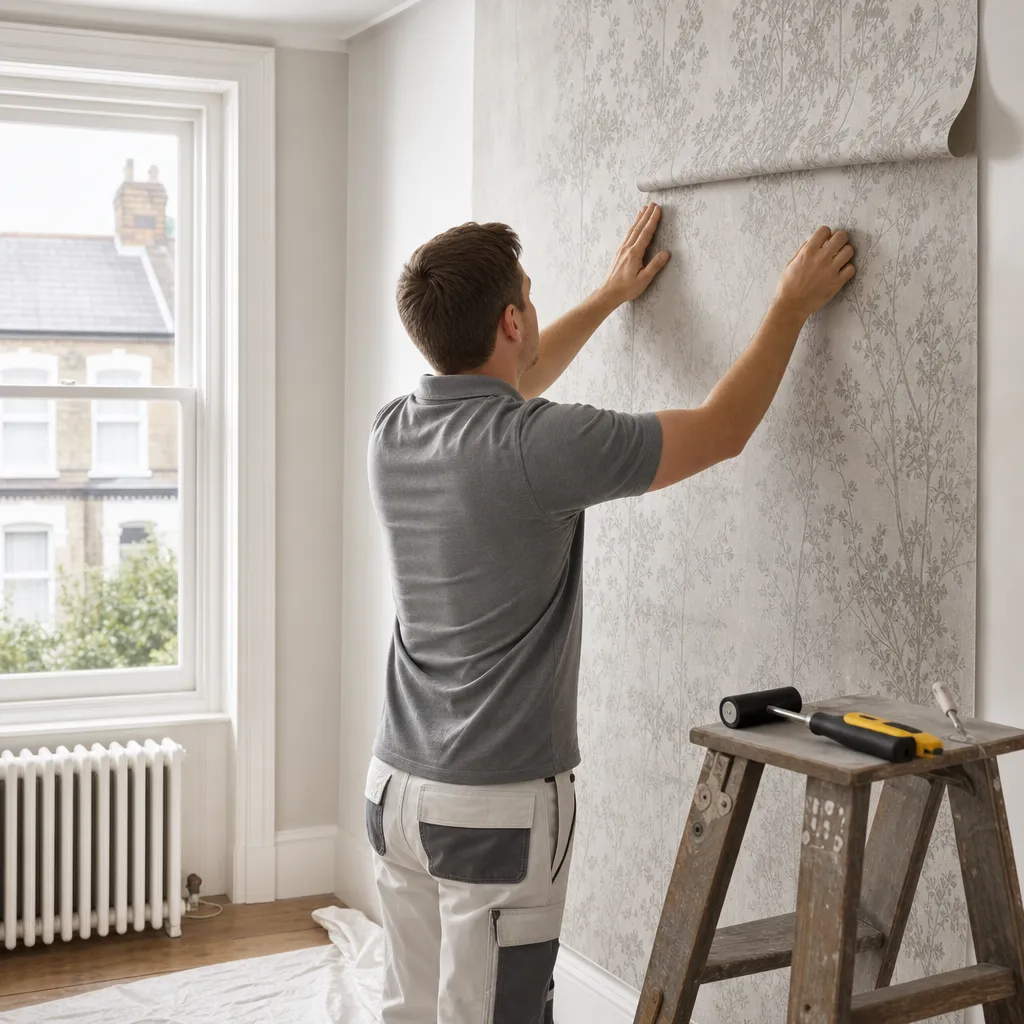
Installing Peel-And-Stick Wallpaper: Application Techniques
Peel-and-stick wallpaper works best on smooth, emulsion-painted walls cured for at least 30 days, in rooms between 13°C and 30°C. Mark a plumb vertical guide line before starting, peel backing gradually as you work downward, and smooth from the centre outward with a squeegee. Always test adhesion on a small area first, especially in rented properties.
 Improvement & Build
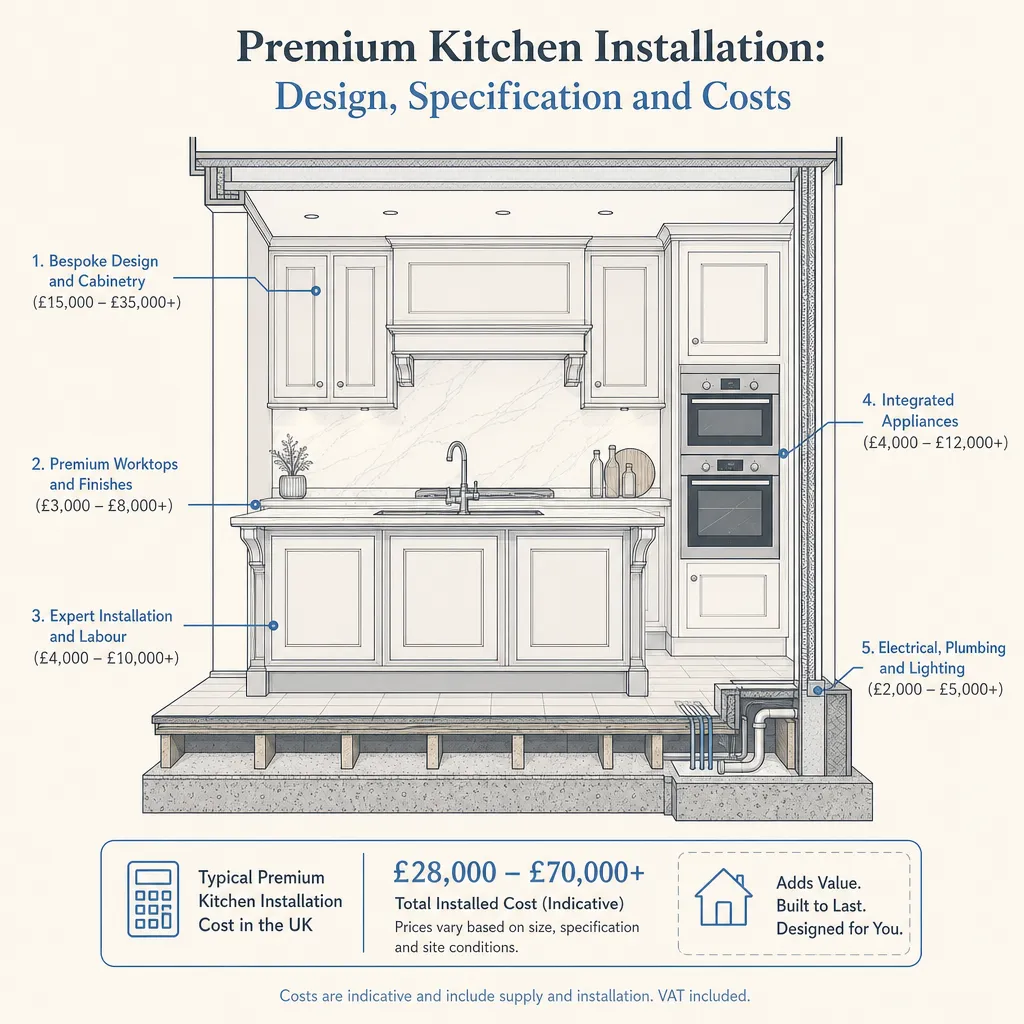
Premium Kitchen Installation: Design, Specification and Costs
A premium kitchen in the UK typically costs £20,000–£80,000 or more installed, depending on cabinetry specification, worktop material, appliance brands, and whether structural changes are needed. Bespoke in-frame kitchens with stone worktops and integrated premium appliances sit at the higher end. Lead times for bespoke cabinetry run 8–16 weeks, so early planning is essential.
 Improvement & Build
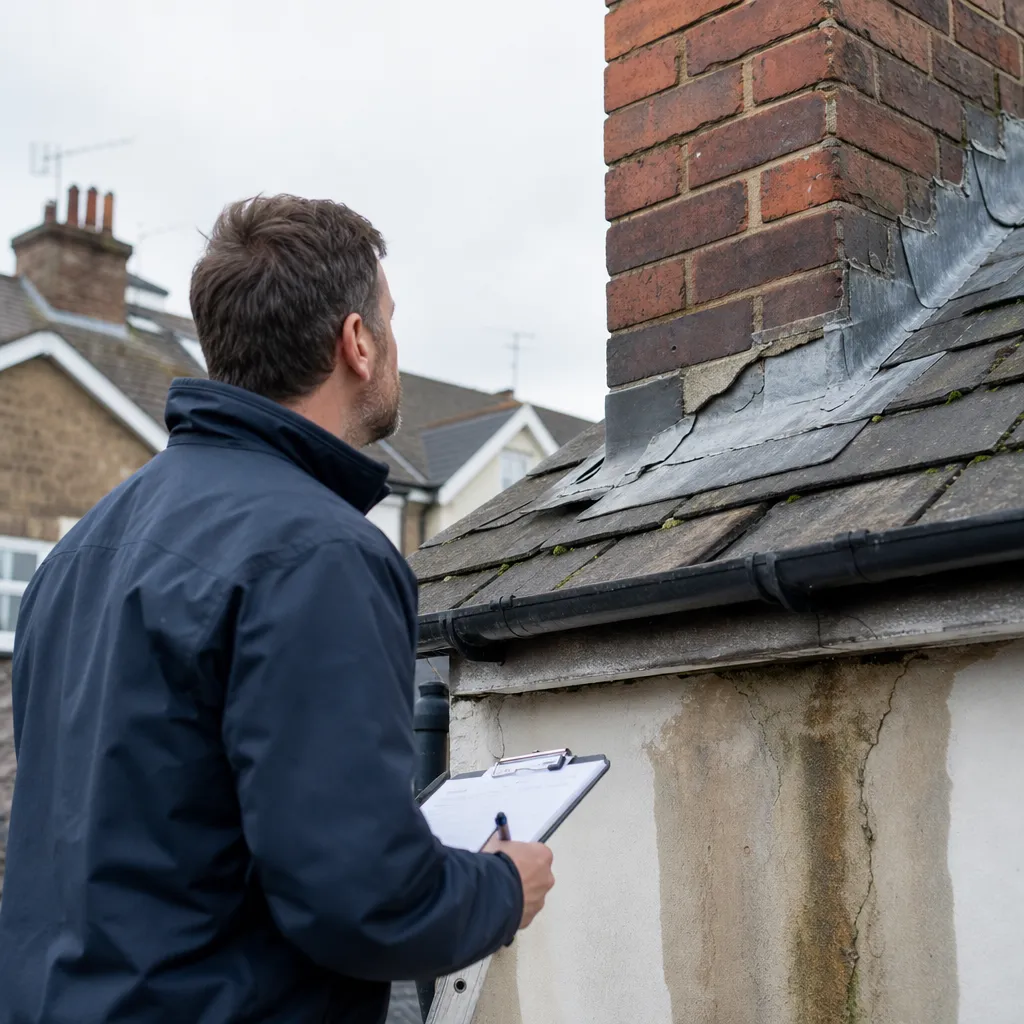
Why incorrect roof repairs lead to masonry water damage
Poorly executed roof repairs — including failed flashing, incorrect mortar on chimney stacks, and unrestored weathering details — allow water to track behind masonry, causing damp patches, spalling, and timber decay, often months after the original work. Always identify and fix the root cause before treating masonry symptoms, using a qualified roofer or damp assessor.
 Improvement & Build
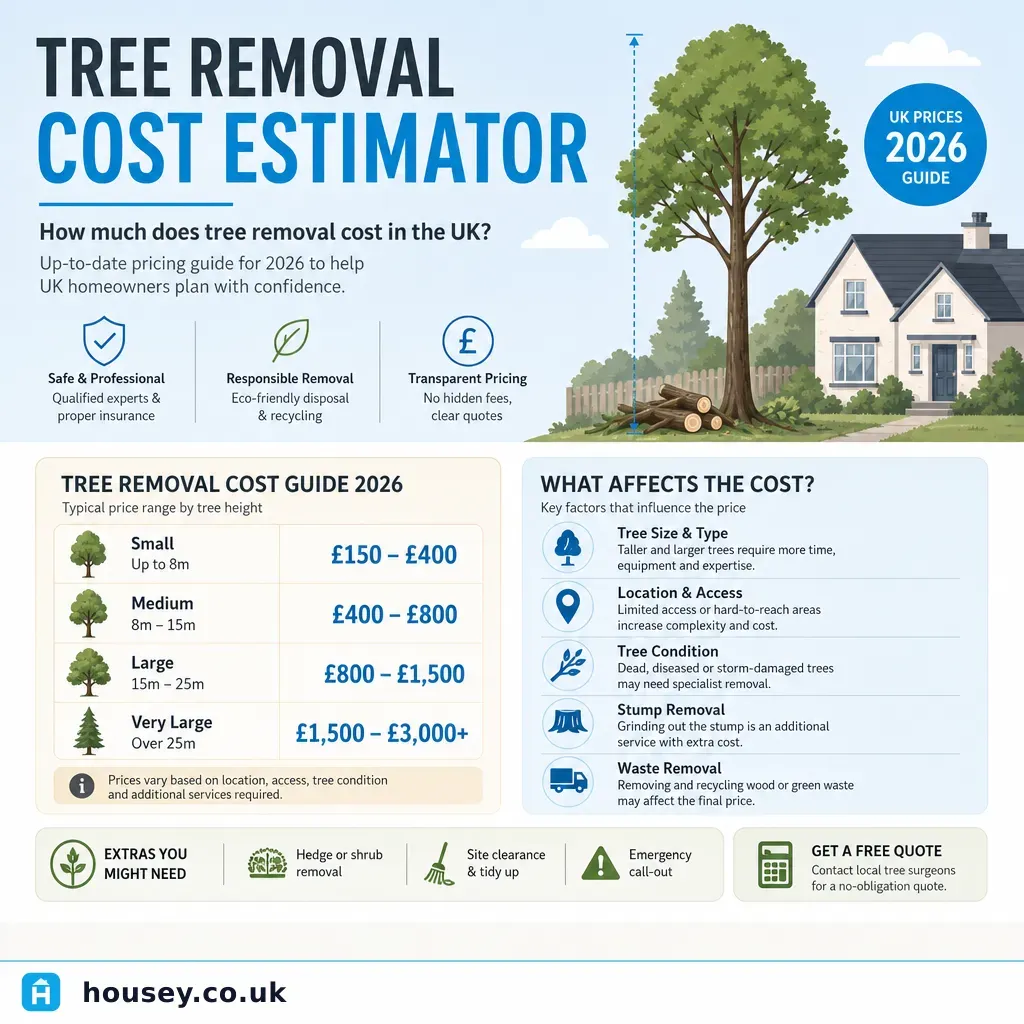
Tree Removal Cost Estimator
Tree removal in the UK costs roughly £150 to £5,000 or more, depending on the tree's height, species, access conditions, and whether stump removal is needed. A small tree under 5 metres may cost £150–£400; a large mature tree can cost £2,000 or more. Stump grinding is usually priced separately at £60–£200 per stump.
 Improvement & Build
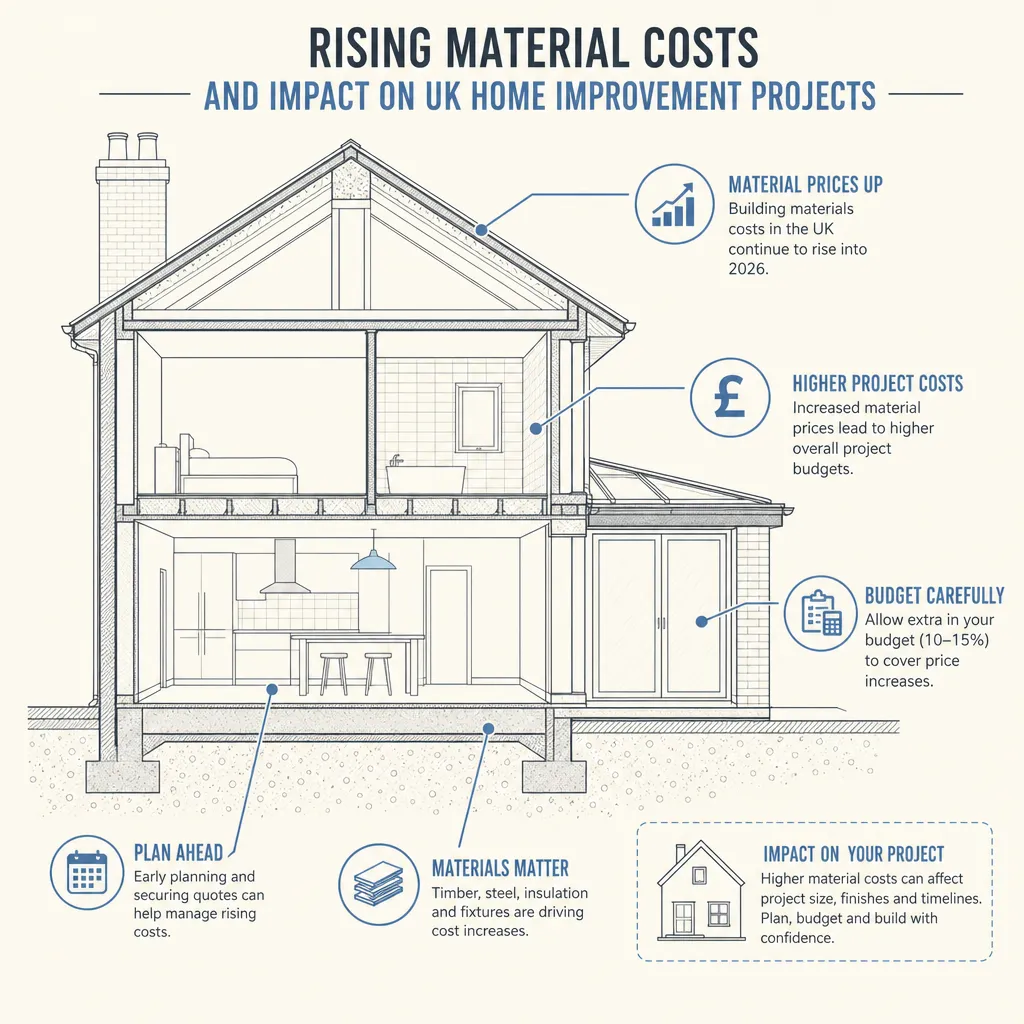
Rising Material Costs and Impact on UK Home Improvement Projects
UK construction material prices remain above pre-2020 levels despite some easing from peak inflation. Labour costs have risen persistently and have not reversed. Homeowners should build a 10–15% contingency into project budgets, seek fresh quotes rather than relying on older estimates, and consider a quantity surveyor for projects over £50,000 to manage cost uncertainty through the build.
 Improvement & Build
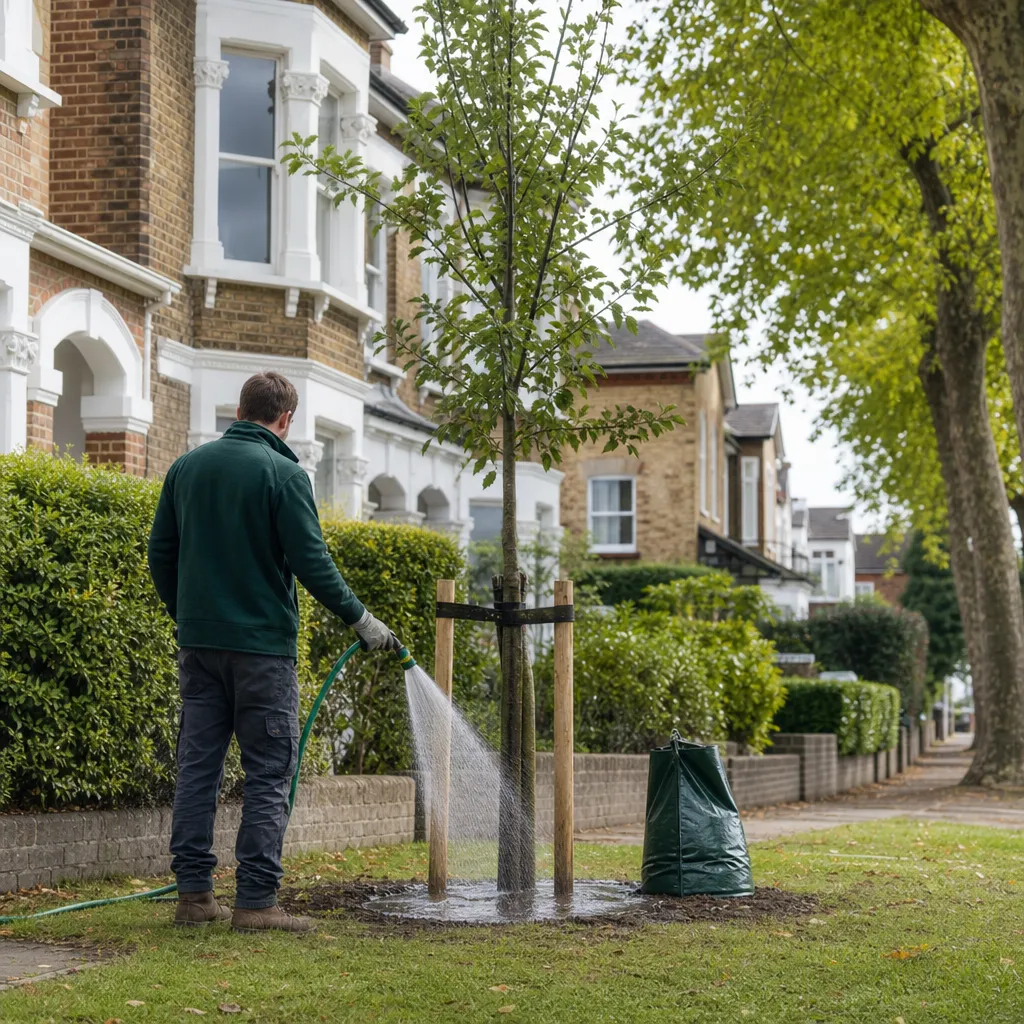
Watering Large Trees: Techniques and Frequency for Establishment
Newly planted large trees typically need 50–90 litres of water per week during the growing season for the first two to three years. Deep, slow watering directly at the root zone is more effective than light surface irrigation. In dry spells, water every three to seven days depending on soil type, tree species, and weather conditions.