Knowledge Base
Property advice that actually helps
Researched, UK-specific guides for every stage of homeownership — from buying and surveys to retrofit, planning and major works.
 Improvement & Build
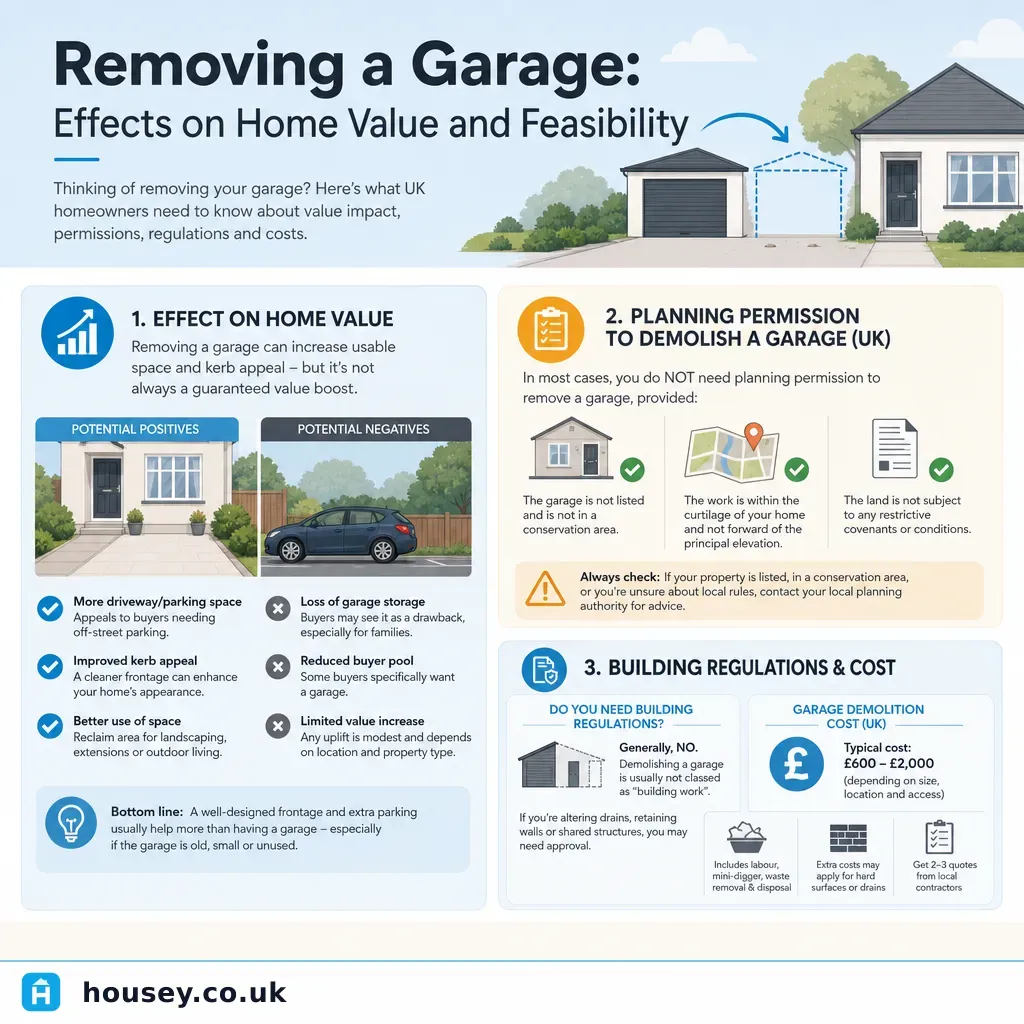
Removing a Garage: Effects on Home Value and Feasibility
Demolishing a garage in England may require prior notification to the local planning authority, and structural or building regulations assessments are often needed if the garage is attached to or integral with the house. The effect on property value depends largely on local parking conditions — in dense urban areas, losing off-street parking can reduce value materially.
 Improvement & Build
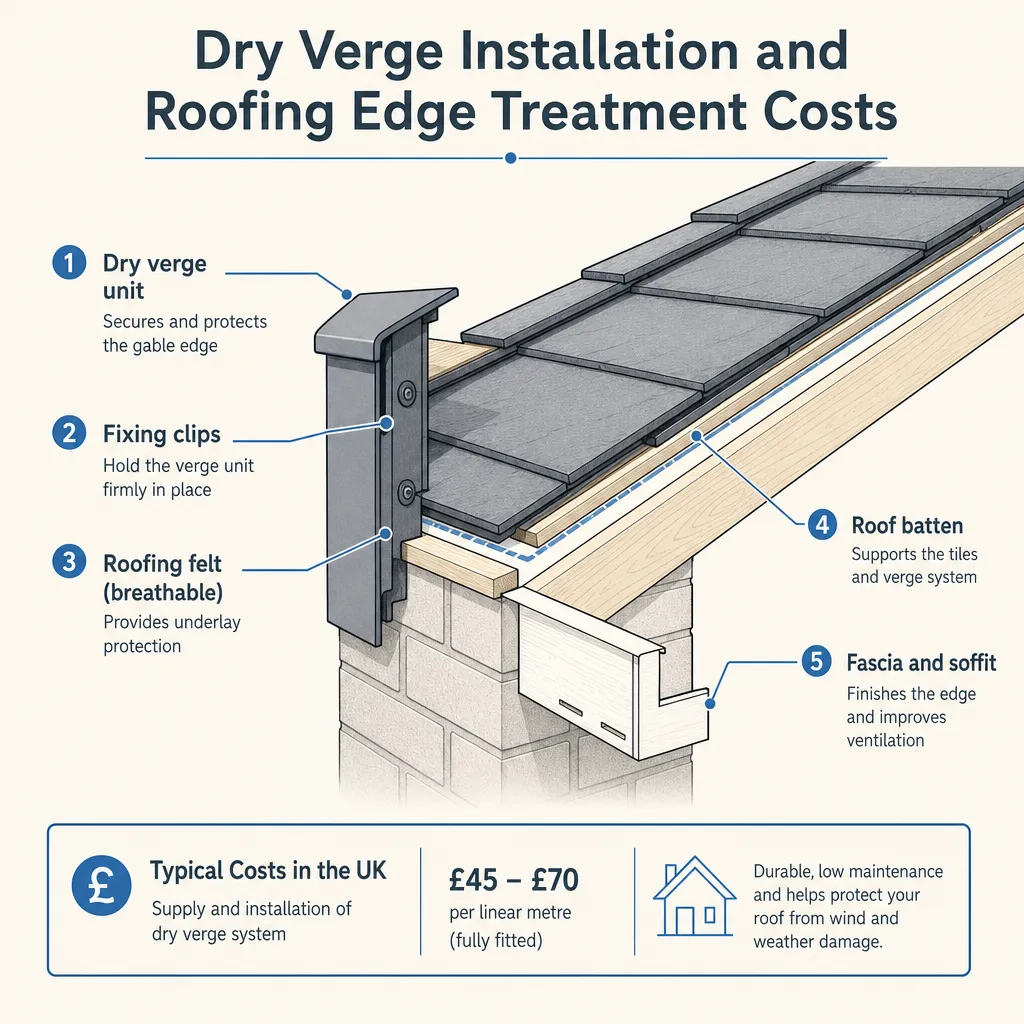
Dry Verge Installation and Roofing Edge Treatment Costs
A dry verge system replaces mortar bedding along the gable edge of a pitched roof with interlocking uPVC or aluminium units. UK installation typically costs £300–£800 for a standard semi-detached property, lasts 20–40 years, and requires no re-pointing. Dry verge systems comply with BS 5534 and should be fitted by a qualified roofer.
 Improvement & Build
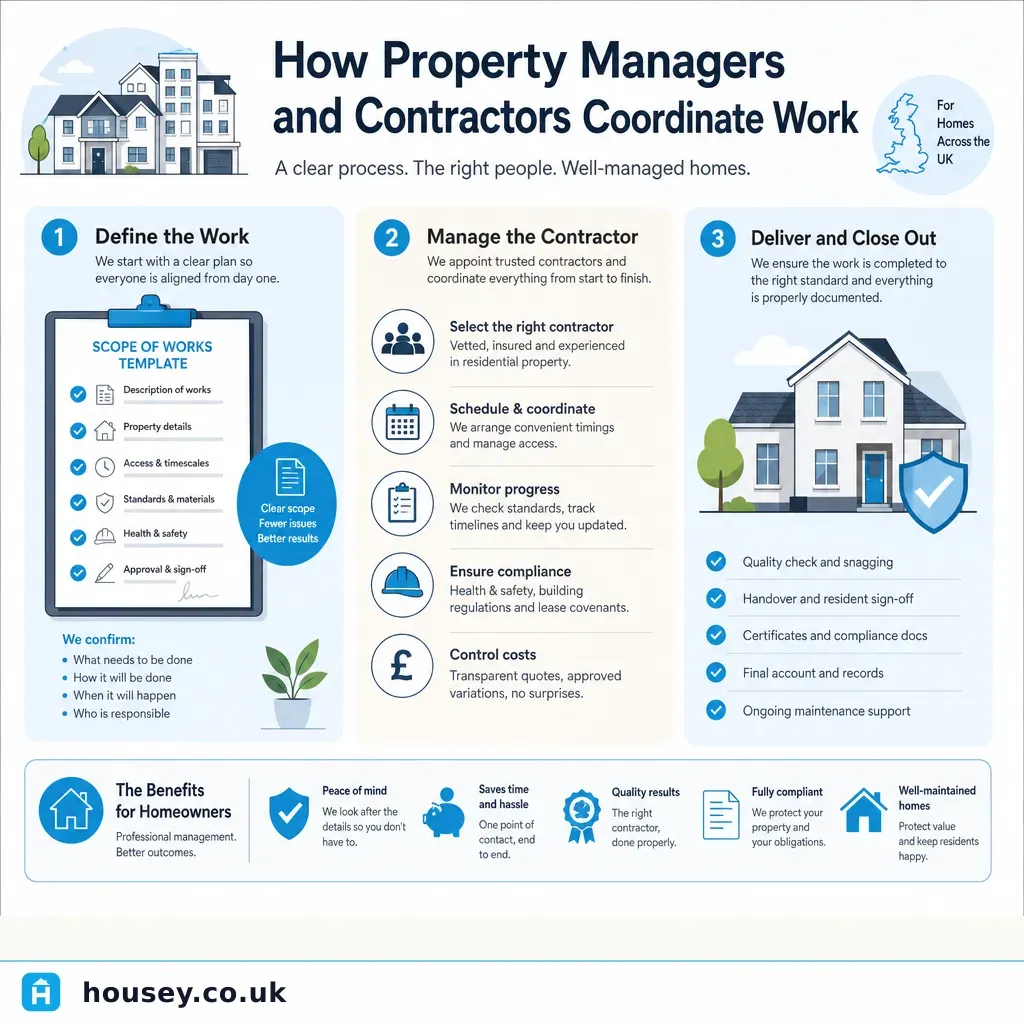
How Property Managers and Contractors Coordinate Work
Property managers coordinate contractors by scoping work clearly, selecting vetted and insured tradespeople, managing schedules and site access, checking progress against the brief, and handling sign-off and payment. Written agreements, staged payments, and regular communication between all parties help prevent delays and disputes on residential projects.
 Improvement & Build
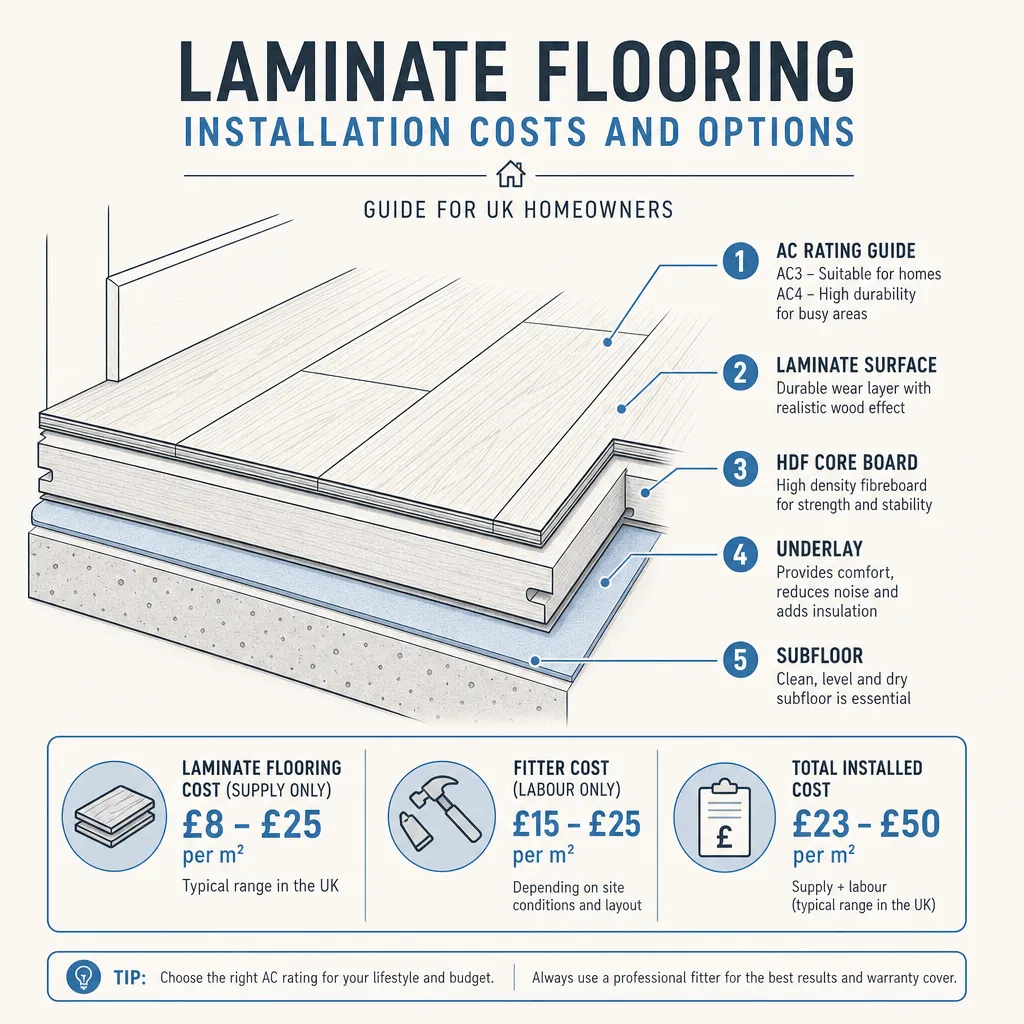
Laminate Flooring Installation Costs and Options
Laminate flooring typically costs £20–55 per square metre fully installed in the UK, including materials, underlay, and professional fitting. Prices depend on AC rating, board thickness, subfloor condition, and region. Most rooms can be completed in a single day by a professional fitter, with minimal disruption to the household.
 Improvement & Build
Retractable Door Latches: Function and Purpose Explained
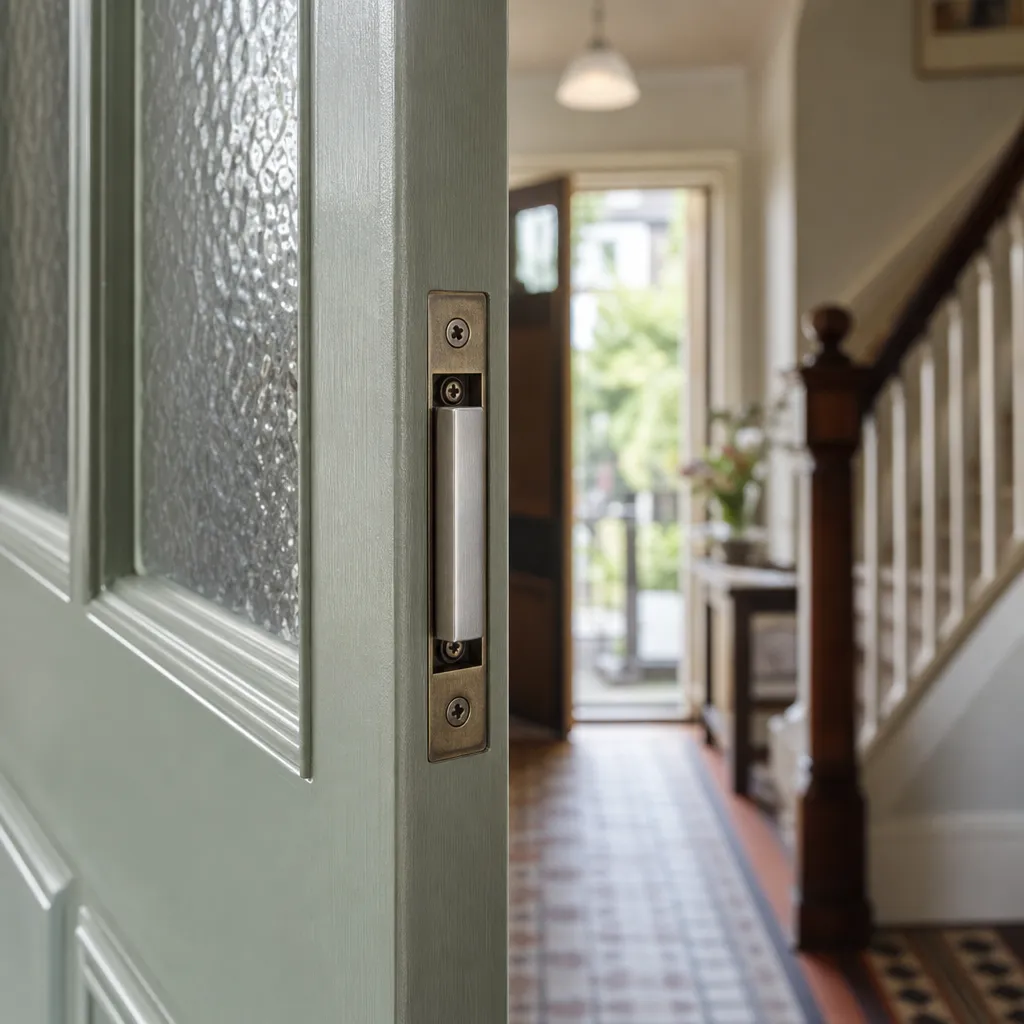
A retractable door latch uses a spring-loaded bolt that is pushed inward by the angled face of the striker plate as the door closes, then springs forward into the keep to hold the door shut. Operating the handle rotates the spindle to retract the bolt. Main types are tubular spring latches, deadlatches, and roller catches, each suited to different doors and security levels.
 Improvement & Build
Basement Excavation and Floor Lowering Costs
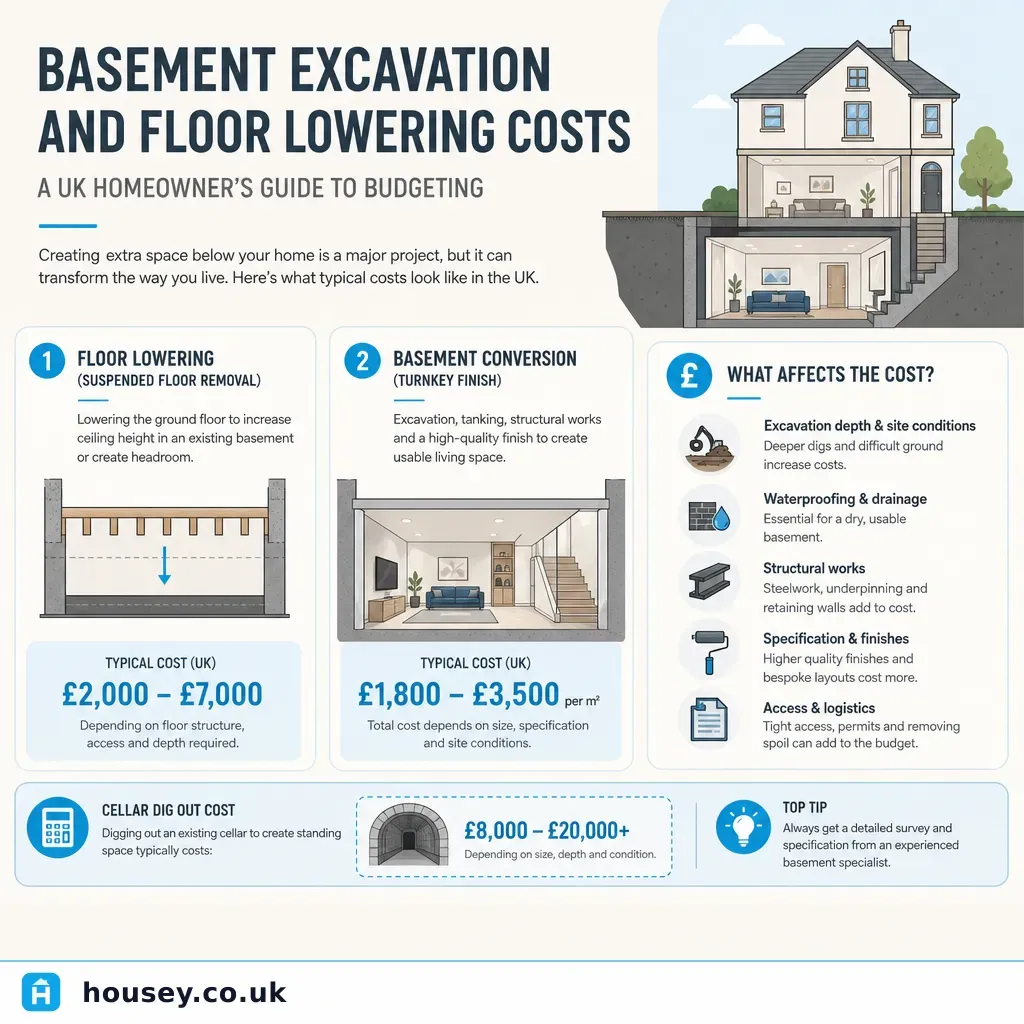
Basement excavation and floor lowering are complex structural operations. Lowering an existing cellar floor typically costs £10,000–£30,000; creating a new basement from scratch costs £30,000–£80,000+, not including internal fit-out. Both require a structural engineer and building regulations approval. Planning permission is usually needed for new excavation, and ground conditions are the biggest cost variable.
 Improvement & Build
Home Extensions and Additions: Planning Your Project
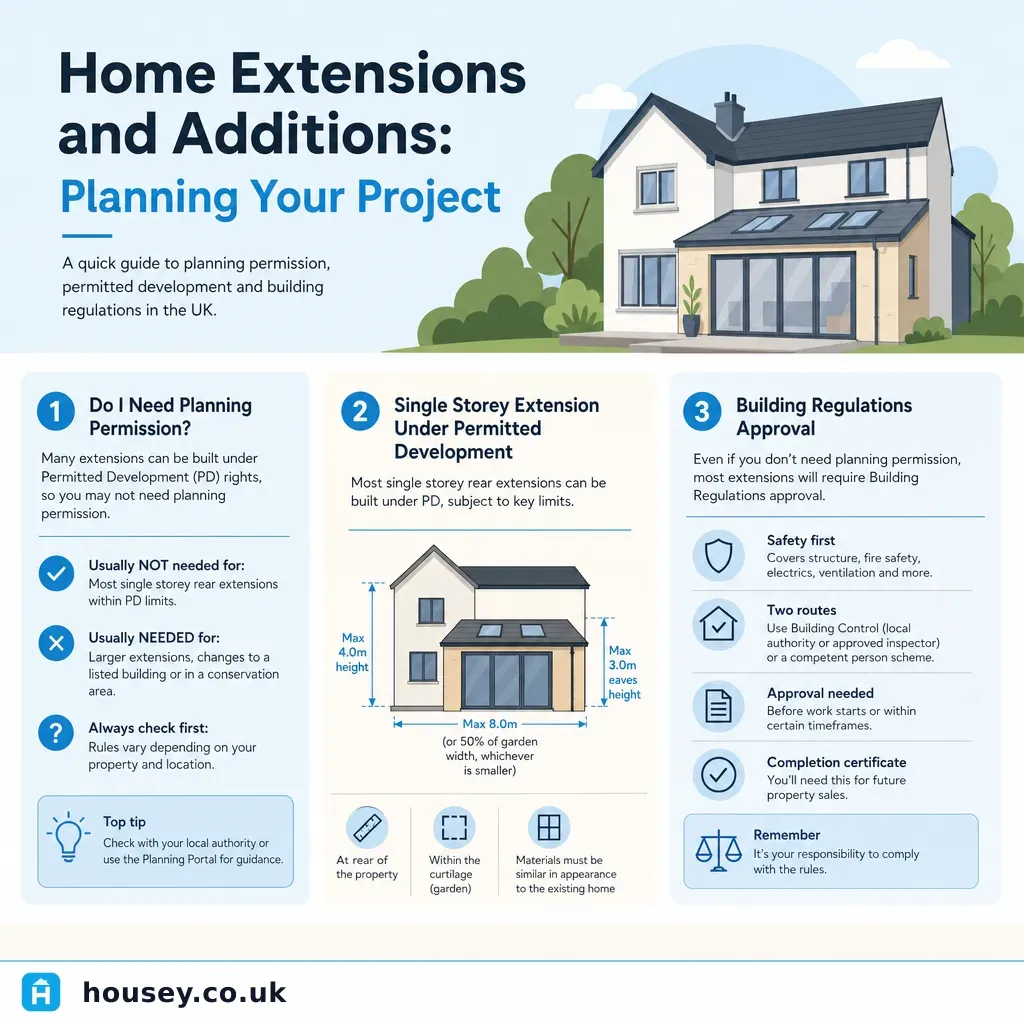
Most single-storey rear extensions can be built under permitted development without a full planning application, provided they stay within depth limits of 4 m for detached or 3 m for semi-detached and terraced properties. All extensions require Building Regulations approval covering structure, thermal performance, fire safety, drainage, and ventilation. Party wall notices may also be required before work starts.
 Improvement & Build
Roof Repair: Damage Assessment and Costs
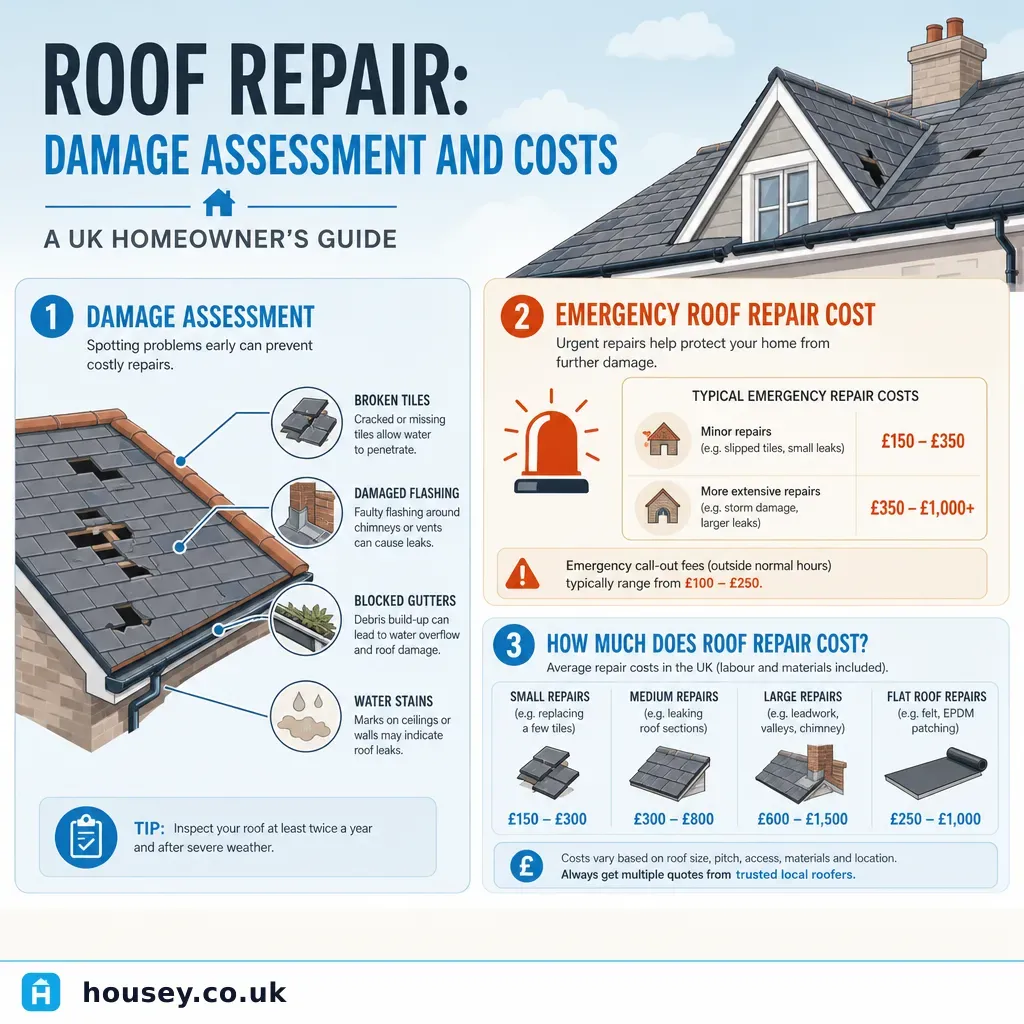
Most roof repairs — replacing slipped tiles, re-bedding ridge tiles, or patching flashing — are straightforward maintenance jobs that do not require planning permission. Costs typically range from £150 to £2,000 depending on repair type, access difficulty, and whether scaffolding is needed. If the roof is near end of life or structurally suspect, an independent survey before committing to repair work is worthwhile.
 Improvement & Build
Window Replacement: Planning and Installation Considerations
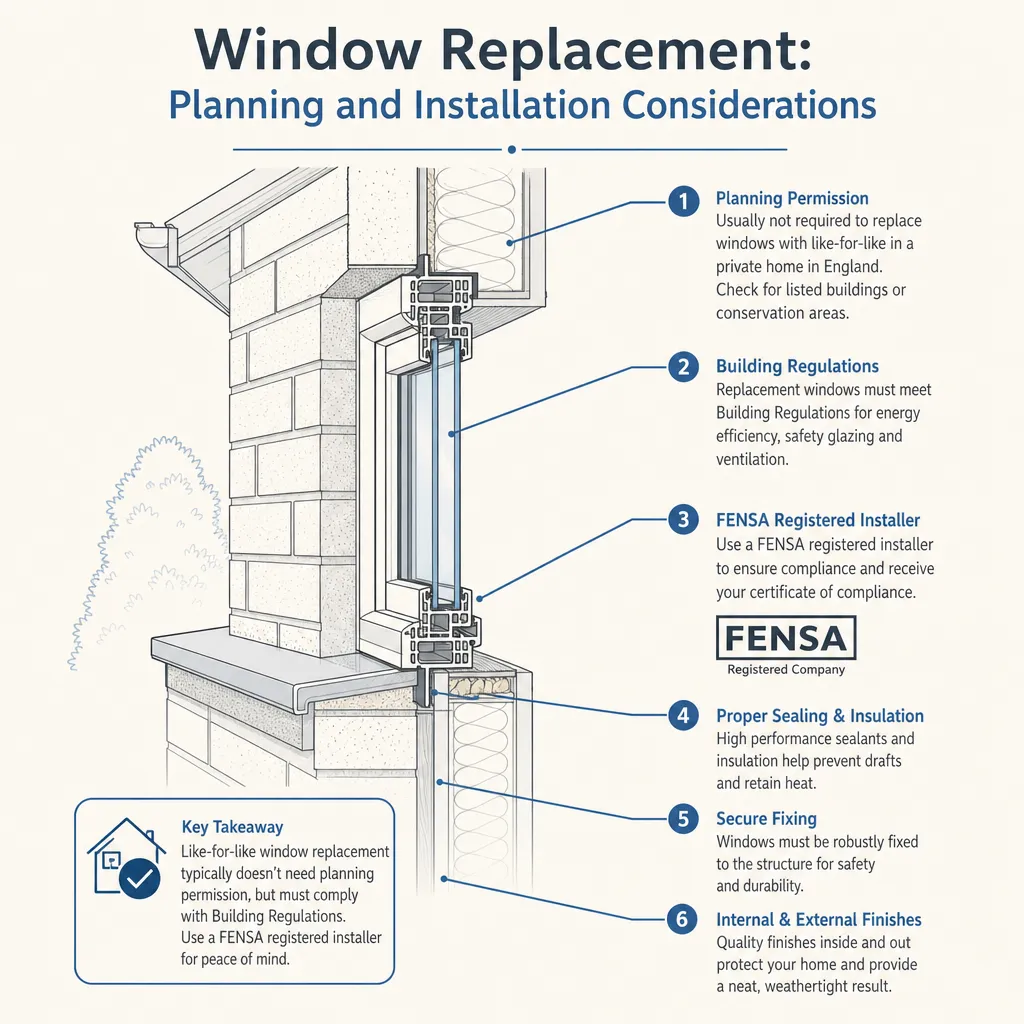
Most window replacements in England fall under permitted development and do not need planning permission, though listed buildings, flats, and conservation areas are exceptions. All replacement windows must meet Building Regulations Part L energy-efficiency standards. Using a FENSA or CERTASS registered installer means they can self-certify compliance, avoiding a separate building control application.
 Improvement & Build
Identifying and Addressing Dying Tree Branches: Common Causes
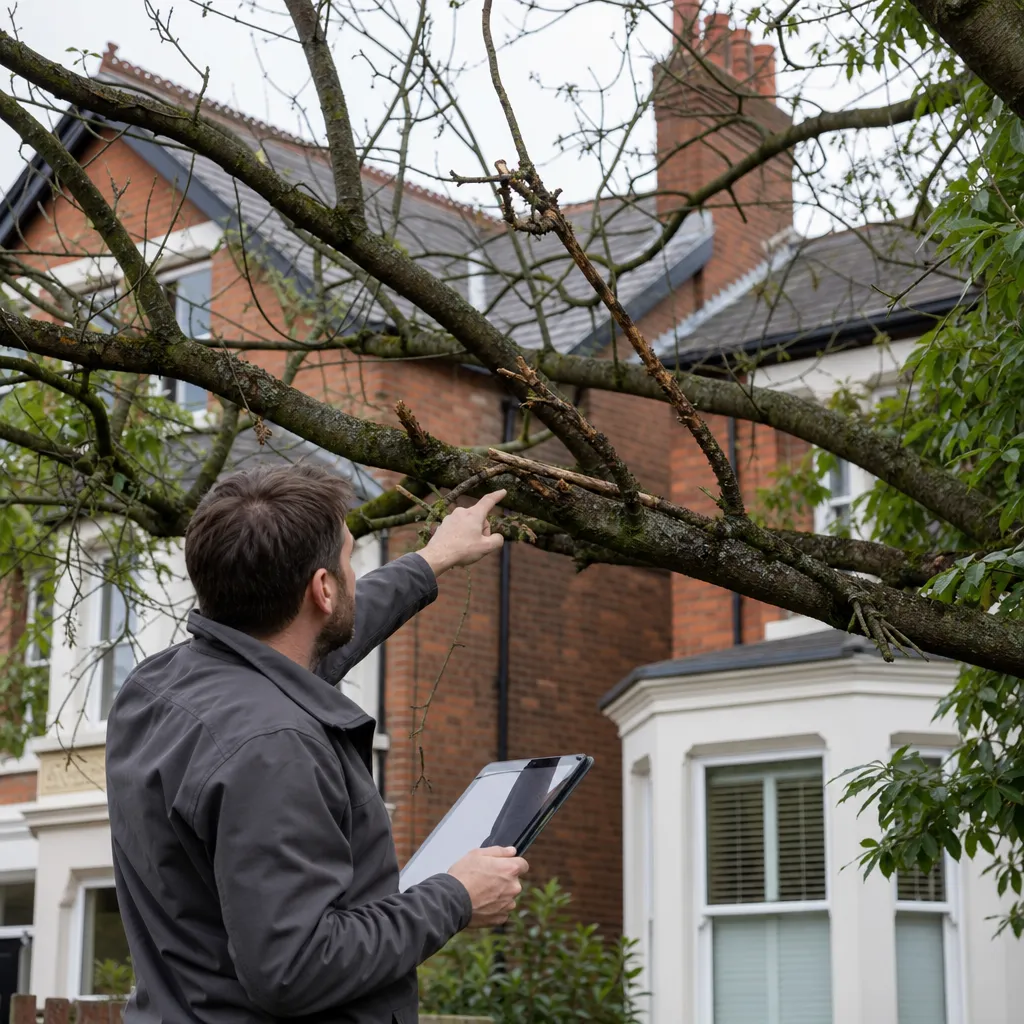
Dying branches on UK garden trees can result from fungal diseases such as ash dieback or honey fungus, pest damage, drought stress, physical injury, or root problems. Early identification matters — a qualified arborist can assess whether selective pruning, treatment, or full removal is needed. Never assume a branch is simply dormant; discolouration under the bark usually confirms dieback.
 Improvement & Build
Benefits of Hiring Established Landscaping Services in Coastal Areas
Established landscaping contractors in coastal areas understand salt spray exposure, prevailing wind patterns, and local planning restrictions that inland firms often overlook. They source materials rated for marine environments and select plants proven in maritime conditions, reducing the risk of premature failure. In exposed coastal locations, specialist knowledge typically saves more than it costs within the first two seasons.
 Improvement & Build
Toughened Glass Glazing Solutions and Pricing
Toughened glass is four to five times stronger than standard float glass and is required by Building Regulations Approved Document N in critical locations including glazed doors, low-level panes below 800 mm from the floor, and shower enclosures. Supply costs typically range from £40–£150 per m² depending on thickness; all sizing must be finalised before tempering as the glass cannot be cut afterwards.